Residential Insurance
Claim Assistance Services

Roof insurance claim assistance takes a stressful, unfamiliar process and makes it manageable, and Markit Roofing guides homeowners across Calgary and Edmonton through every step. After a hailstorm or high wind event, you are often left staring at damage you cannot fully assess, facing an insurer’s paperwork and an adjuster’s schedule with no idea whether your claim will hold up.

That is where we come in. We inspect the roof properly, document the damage the way an insurer needs to see it, and give you a clear, professional record to support your claim. When the adjuster visits, we can be there to walk the roof and speak to what the storm actually did. We are not lawyers or public adjusters, and we do not promise a specific payout, but we ensure the damage is accurately documented and the roofing side of the process is handled by people who do this work every day.

The result is a claim built on solid evidence, with a homeowner who understands what is happening rather than one who is guessing in the dark. From the first inspection to the finished repair, we keep the whole thing straight and far less overwhelming.

Roofing Insurance Claims Assistance

Why Claim Support Makes a Real Difference

Insurance claims turn on evidence, and roof damage is easy to underdocument if you do not know what to capture. Storm damage is often subtle from the ground, so a claim submitted without a proper inspection can miss real harm and result in an underpayment. Having roofing professionals document the damage thoroughly, in the terms an adjuster understands, gives your claim a solid foundation. It also saves you the stress of navigating an unfamiliar process on your own while your home remains exposed. Good documentation and clear communication rarely guarantee an outcome, but they make the process fairer and smoother.
 
What Our Claim Assistance Covers:
Each of these steps exists to keep your claim grounded in fact and your repair up to standard. The inspection and documentation give the insurer what they need to evaluate the loss fairly. Being present for the adjuster’s inspection means someone who understands roofing can point out storm damage that is easy to overlook. And once the claim is settled, the same team that documented the damage carries out the repair, so nothing gets lost in a handoff to a separate contractor.

Our Process

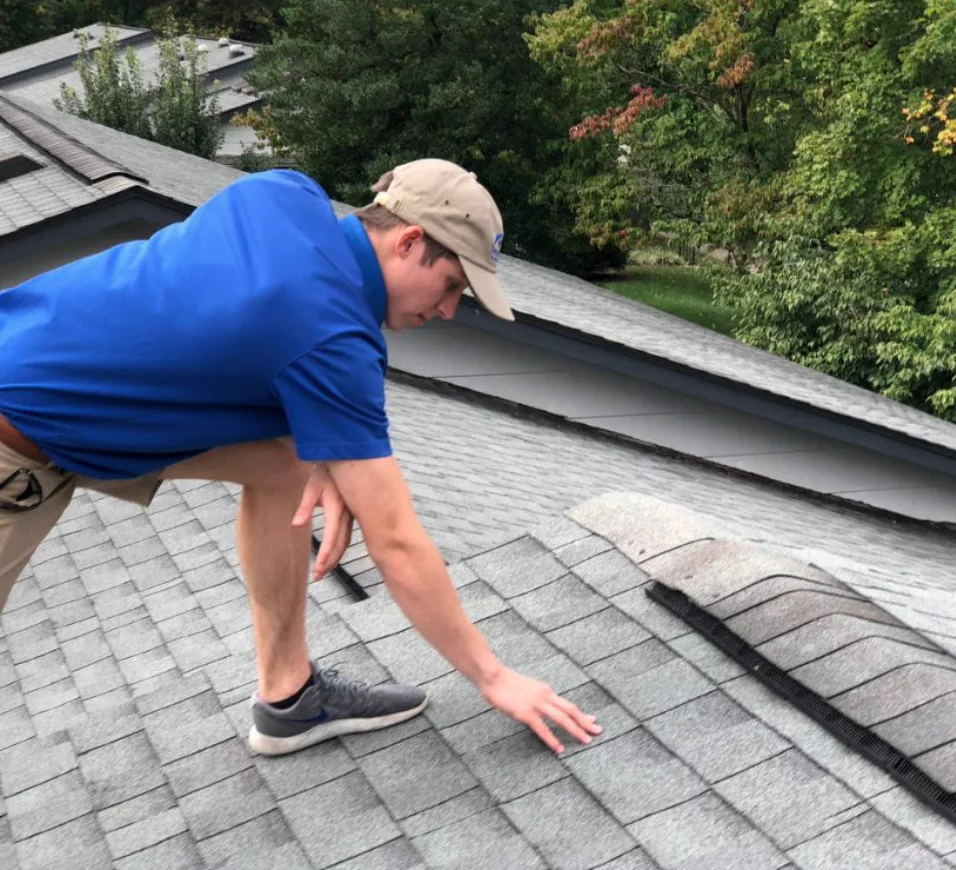
Prompt Damage Inspection After the Storm

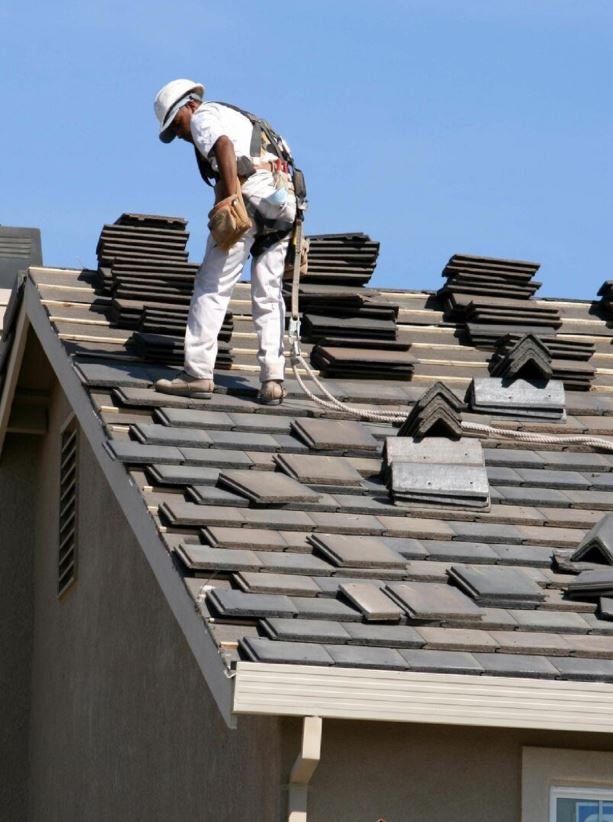
When a storm passes, the first step is to find out what it actually did to your roof, and do it before the next weather arrives. We come out, inspect the roof thoroughly, and look for the specific marks left by a hailstorm or windstorm, from bruised and fractured shingles to lifted flashing and granule loss. Much of this damage is hard to see from the ground and easy to underestimate, which is exactly why a professional inspection matters at this stage.
 
We assess the full roof, not just the obvious spots, so nothing gets missed. Acting promptly also protects your position, since insurers expect damage to be reported and documented in a reasonable timeframe. You come away knowing whether you have a genuine claim worth pursuing before you invest any time in the paperwork.

Thorough Documentation for Your Claim

Once we know what the storm did, we capture it in a form your insurer can work with. That means clear photographs of each damaged area, written findings that describe the damage plainly, and notes on how it affects the roof’s integrity. Good documentation is the backbone of any claim, because an adjuster can only act on what is recorded and presented clearly. Vague or missing evidence is where claims stall or come back underpaid.
 
We put together a record that leaves little room for doubt about what happened and what the roof needs. This is the part homeowners find hardest to do alone, and it is where having a roofing professional in your corner changes the whole footing of the claim you submit, turning a vague description into evidence an adjuster can act on.

Working With Your Adjuster

When your insurance adjuster comes to assess the roof, we can be there to meet them and walk the damage together. This matters more than people expect. An adjuster covers many kinds of property loss, while we look at roofs every day, so being on the roof alongside them lets us spot storm damage that’s easy to overlook. We speak the same technical language, which keeps the conversation factual and focused on what the roof actually needs.
 
We are not there to argue or pressure anyone; we are simply making sure the assessment reflects the roof’s true condition. A clear, professional exchange at this stage often prevents the back-and-forth that drags claims out for weeks and keeps everyone working from the same, accurate picture of the roof.

Repairing the Roof Once Approved

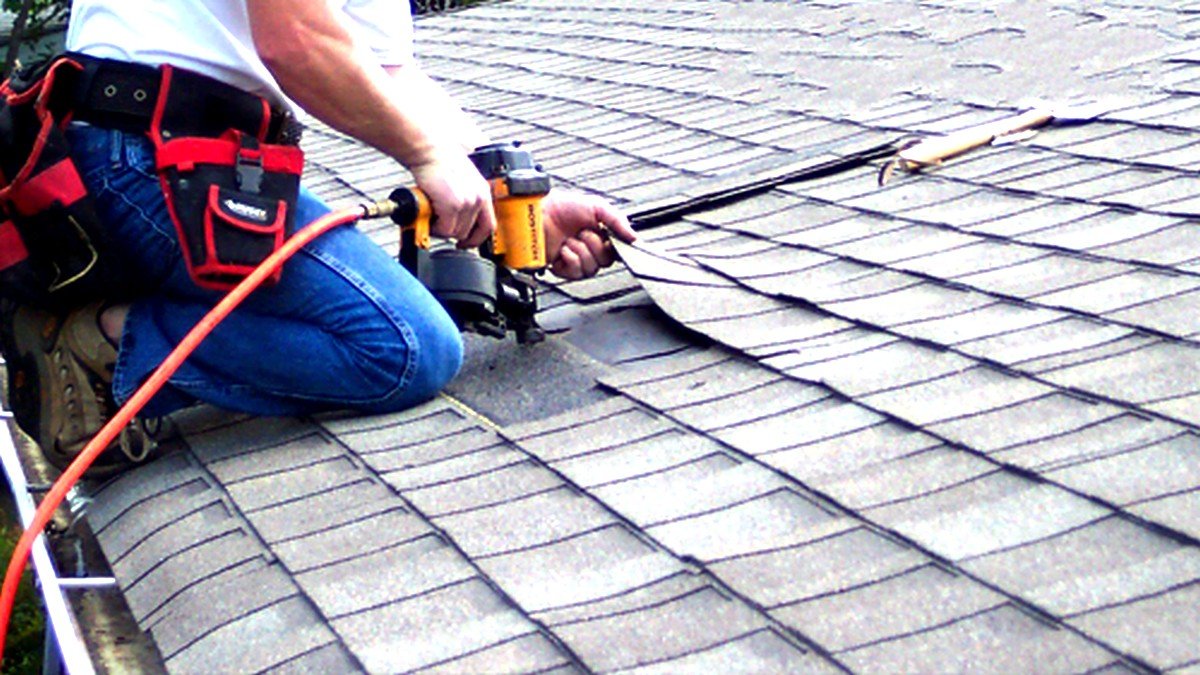
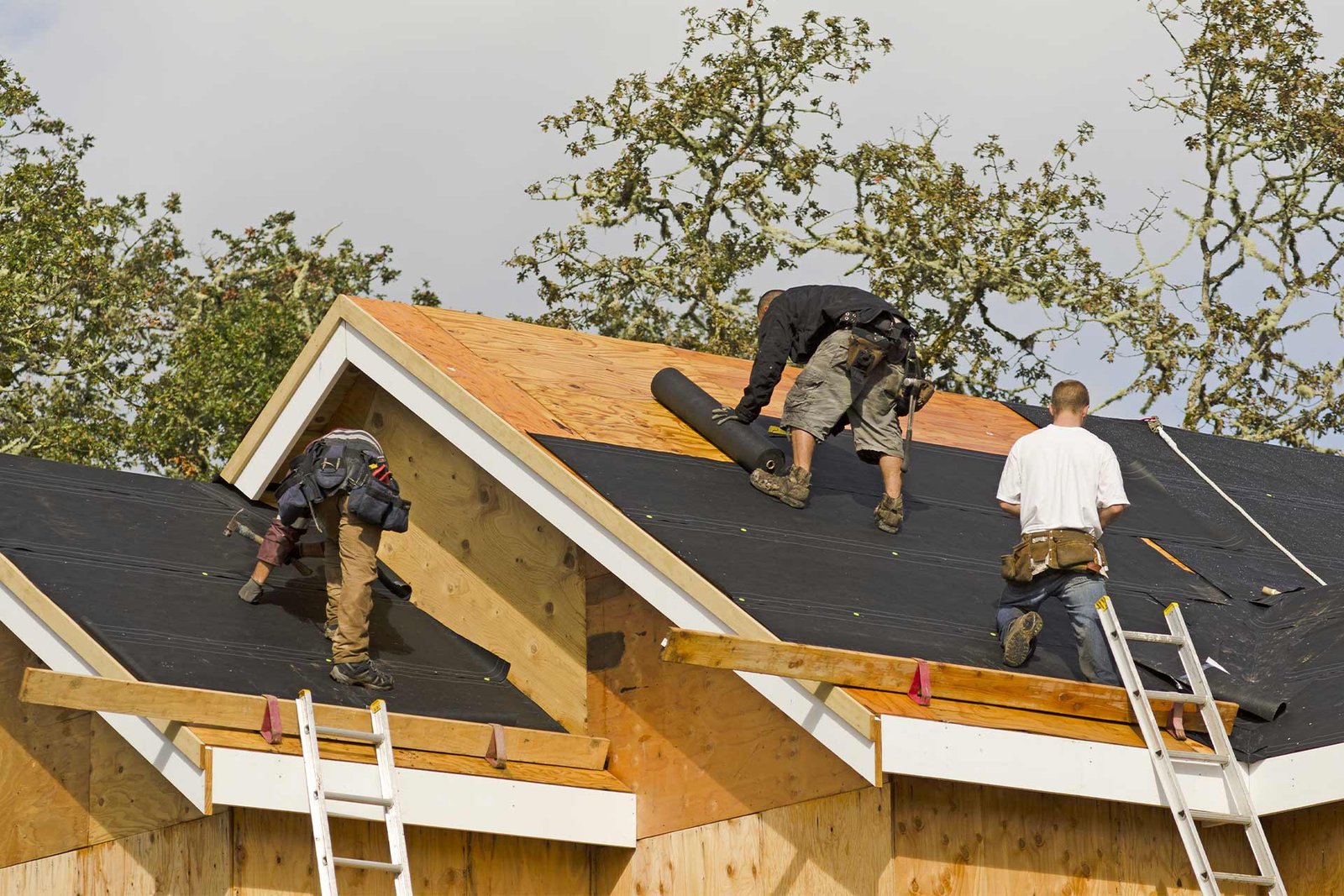
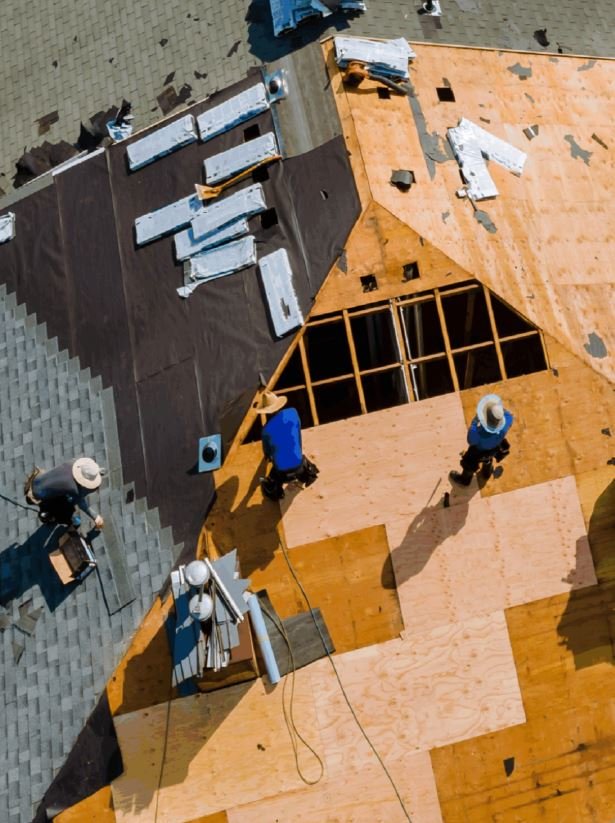
After your claim is approved, the same team that documented the damage carries out the repair or replacement to a proper standard. This continuity is a real advantage, because nothing gets lost between an assessor who saw the damage and a contractor who did not. We already know exactly what the storm did and what the approved scope covers, so the work matches the claim precisely.
 
We use quality materials suited to Alberta weather, complete the job on a clear timeline, and clean up fully when we finish so your property is left tidy. You end up with a roof restored to sound condition and a process that stayed coherent from the first inspection through to the final nail, rather than a series of disconnected steps managed by people who never spoke to each other.

Have a new roofing project?

Common Storm Damage That Leads to Roof Claims

Alberta weather can damage roofs in specific ways, and knowing what these look like helps you decide when a claim is worth pursuing. The types of damage listed below are the ones we most often document on residential roofs in Calgary and Edmonton after a storm has passed. Some are obvious, but many are subtle enough that a homeowner would never notice them from the ground, which is exactly why they are so often missed in claims filed without a proper professional inspection. Recognising these signs early on helps you act before the damage spreads.

Hail Impact and Bruising

Hail is by far the most common cause of roof insurance claims in this region, and its damage is easy to underestimate. Beyond the shingles it visibly cracks, hail bruises the surface and knocks away the protective granules, weakening the roof in ways that only show up as leaks months later. These bruises are difficult to spot from the ground, so a roof that looks perfectly fine after a hailstorm can still carry real, claimable damage that shortens its life if left unaddressed.

Wind Lift and Torn Shingles

High winds lift, loosen, and tear shingles, breaking the seal that keeps water out even when the shingle stays in place. Alberta’s strong wind events can peel back sections of roofing or leave shingles curled and no longer bonded. The exposed areas then let water in during the next rainfall. Because a wind-lifted shingle can settle back into place and look normal, this damage often goes unnoticed until a leak appears, making a post-storm inspection important for any claim.

Flashing and Seal Failure

Storms often damage the flashing and seals around chimneys, vents, and skylights, which are the roof’s most vulnerable points. Wind and hail can loosen, dent, or displace flashing, breaking the watertight barrier at exactly the spots where water most wants to enter. This kind of damage rarely announces itself, yet it is a frequent source of leaks that trace back to a storm. Documenting it properly is often what makes the difference on a claim, since it is easy for an untrained eye to overlook.

Debris and Impact Damage

Falling branches, blown debris, and larger hail can strike a roof hard enough to crack shingles, puncture the surface, or damage the decking beneath. Unlike gradual wear, this impact damage is clearly storm-related, which usually makes it straightforward to tie to a specific weather event on a claim. Even so, the full extent often extends beyond the visible dent, so a thorough assessment is needed to capture any structural harm the impact may have caused to the decking below the surface.

Hidden Damage That Surfaces Later

Not all storm damage is visible right away, and some of the costliest claims stem from damage that remained hidden for weeks or months. A small breach in the surface, a cracked seal, or granule loss can let moisture work into the decking and insulation long before a stain appears on your ceiling. By the time the problem becomes apparent, it may have already spread. This is why documenting damage soon after a storm, rather than waiting for symptoms, protects both your roof and your claim.

Book a Free Consultation