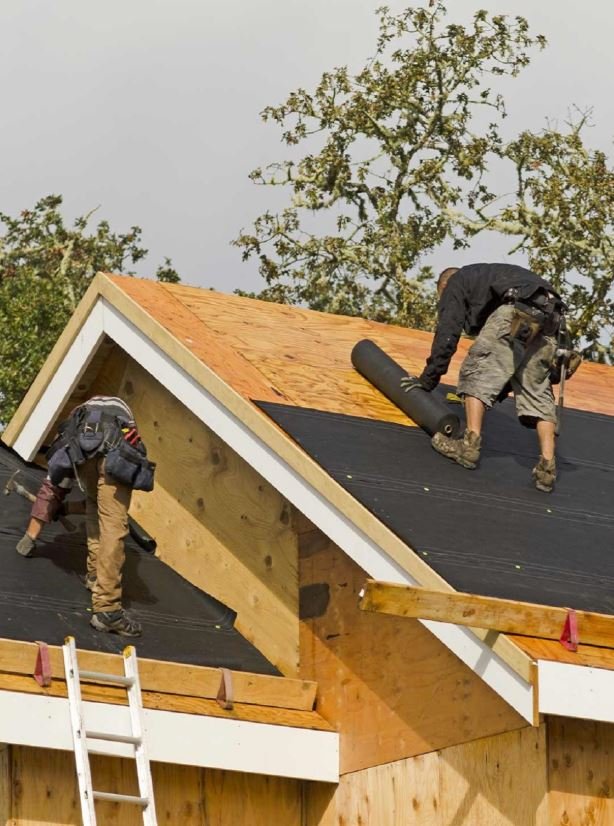
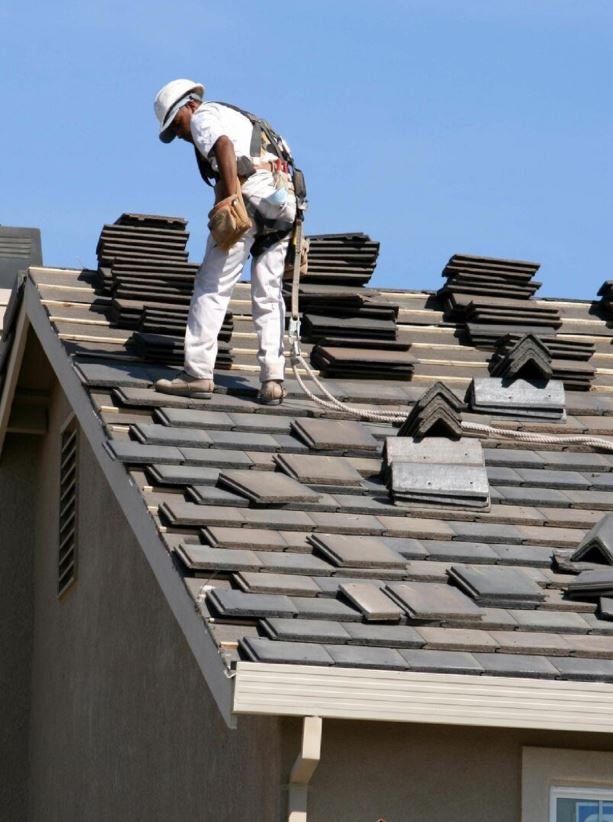
Residential Emergency Roofing Services
Water dripping through a bedroom ceiling or shingles scattered across the lawn after a windstorm is not something any homeowner wants to wait on. Markit Roofing provides fast emergency roof repair for houses, duplexes, and townhomes, with in-house Red Seal roofers who secure the damaged area, stop the leak, and protect your ceilings, floors, furniture, and everything else inside.
Our residential emergency roofing services cover families across both cities, whether you need emergency roof repair in Calgary after a hailstorm or emergency roof repair in Edmonton during a deep freeze. As a 24/7 emergency roofer backed by an A+ BBB rating and AARA membership, our team answers the phone day or night, weekends included. Call Markit Roofing now for help.
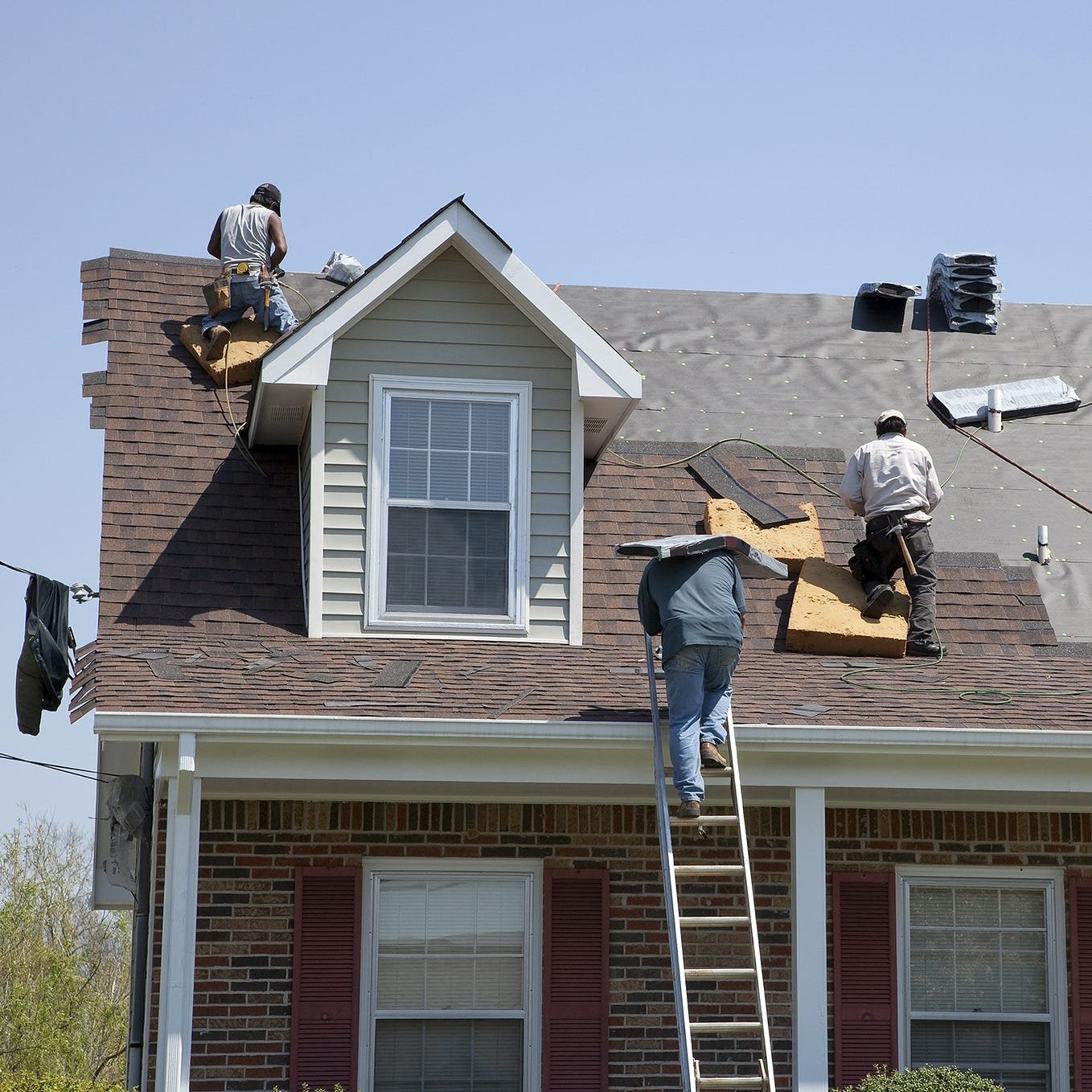
Why Home Roof Leaks Need Emergency Repairs Quickly
A small drip on a home roof rarely stays small for long. Water on your ceiling may also indicate moisture in the roof deck, attic insulation, or drywall above it. Continued water entry can spread along rafters and into walls, turning a simple emergency roof leak repair into a bigger, costlier renovation for your home and family.
- Keeps your family safe from wet ceilings
- Protects furniture, floors and keepsakes
- Helps limit moisture in your attic
- Cuts the final repair bill for your home
- Supports a smoother home insurance claim
Markit Roofing treats every call as a home protection job, not just a roof repair. Our roofers arrive with tarps, shingles, flashing, sealants, and ladders sized for two-storey homes, so we stop most leaks on the first visit. Before leaving, we explain what happened in plain language and show you photos, so you know what failed and what was fixed.
Emergency Roof Repairs at Home
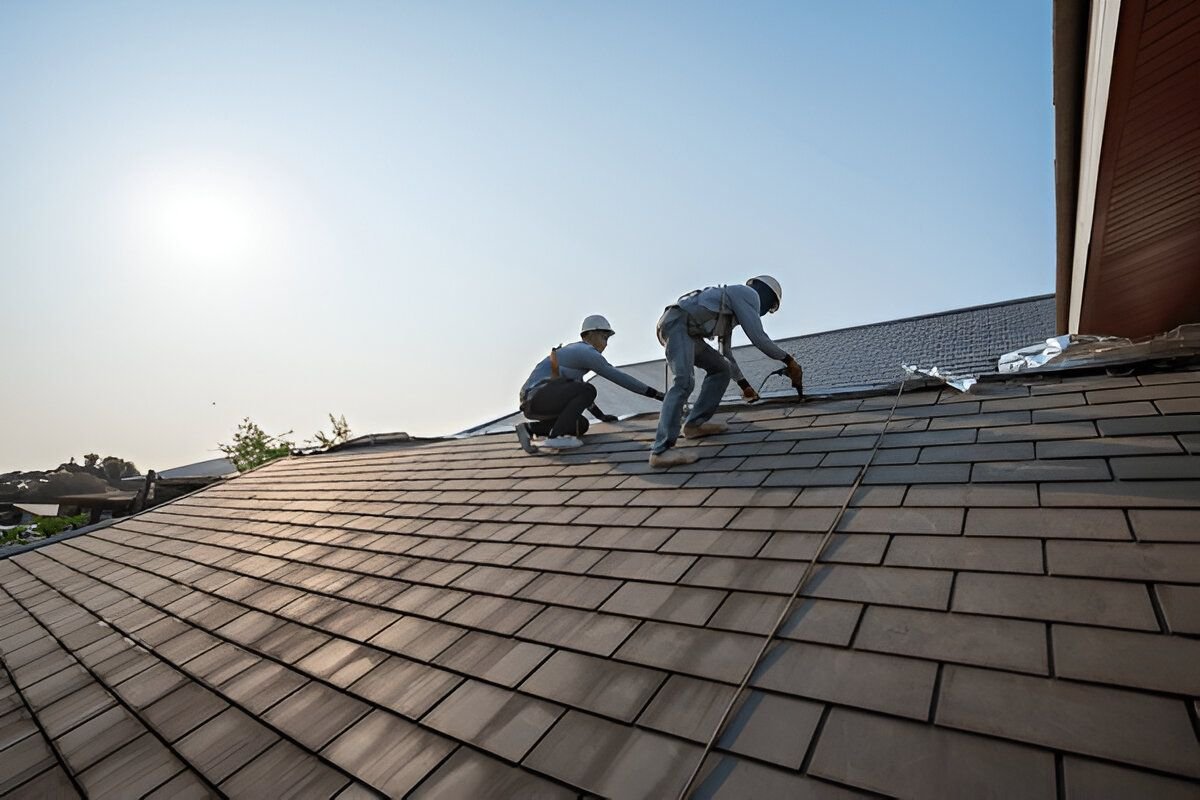
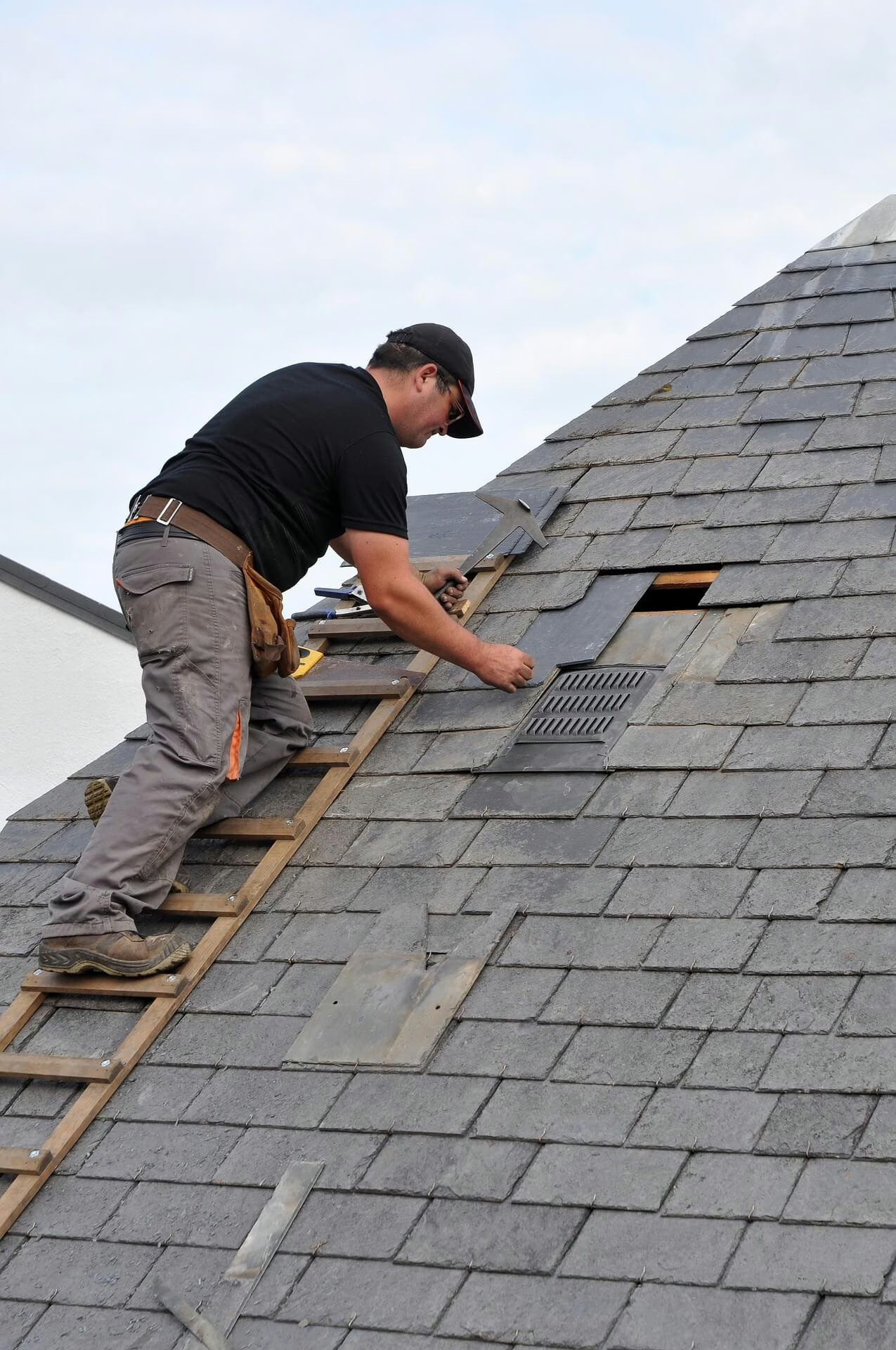
Blown-Off Shingle Replacements
High winds and Chinook gusts can peel shingles off in seconds, leaving bare underlayment or even open decking exposed to the next rain.
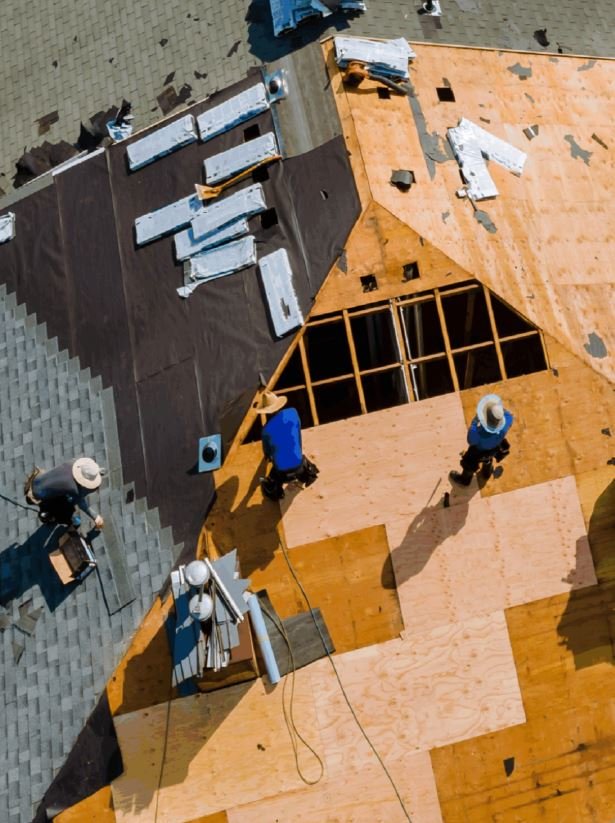
When shingles blown off your roof leave a gap, our crew replaces them with matching shingles where possible, re-nails loose courses along the edges and ridge, and hand-seals the tabs so they hold down in the next storm. We also check the ridge cap and starter strip, since wind damage often starts there first.
Ice Dam Leaks Inside Your Home
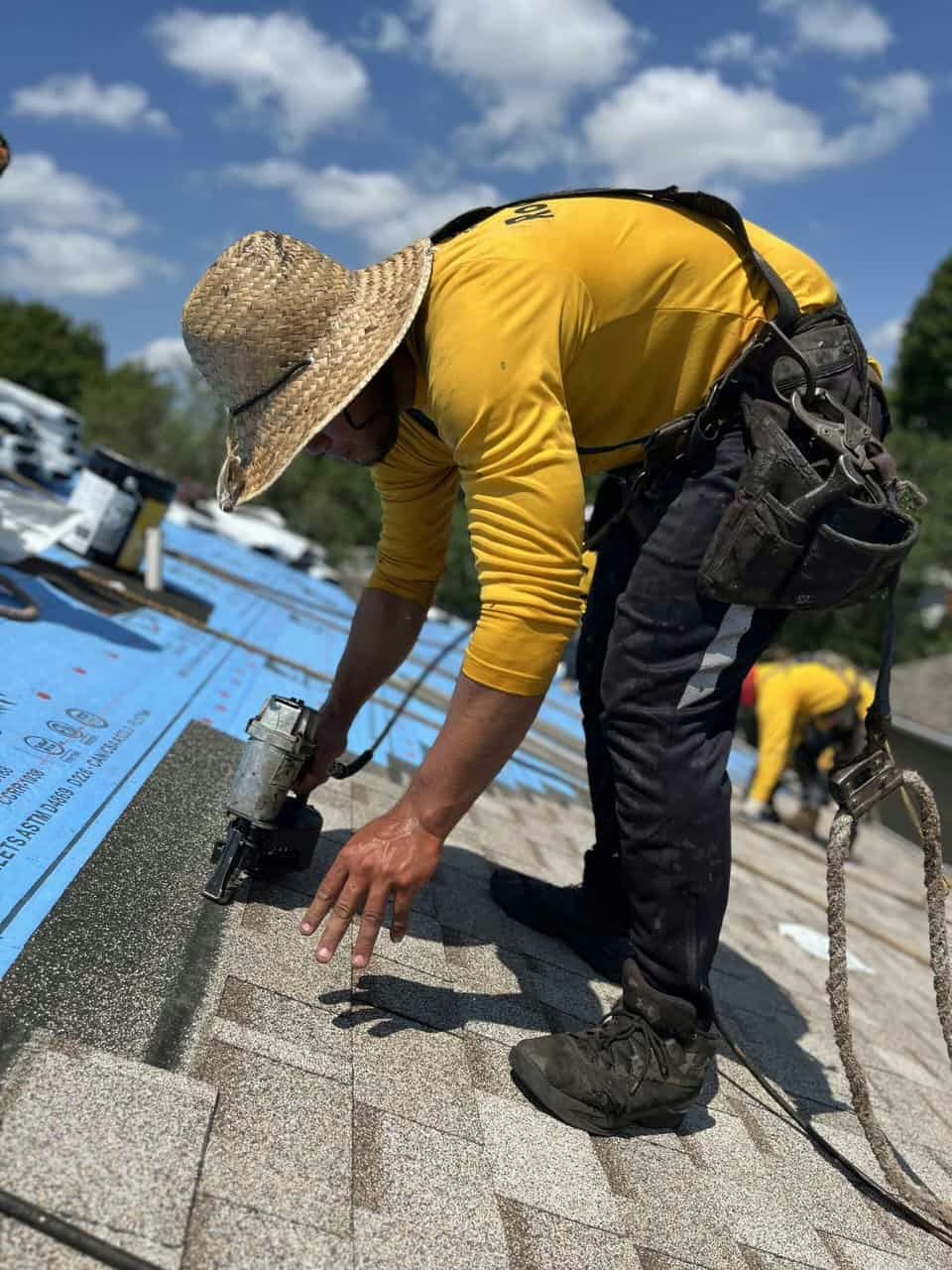
In winter, heat escaping from your living space melts snow on the roof, and that water refreezes at the cold eaves into an ice ridge. Meltwater then backs up under the shingles and appears as stains along exterior walls or around window frames.
Our ice dam roof leak repair stops the active leak, replaces soaked underlayment and damaged shingles, and checks attic ventilation and insulation to help identify conditions that could cause ice dams to return.
Chimney & Skylight Leak Repair
Chimneys, skylights, and plumbing vents are the most common places a home roof leaks, because each one breaks the shingle surface and relies on flashing and sealant to stay dry.
Our chimney leak repair and skylight leak repair service replaces cracked sealant, rebuilds lifted step and counter flashing, and swaps failed rubber pipe boots. If water is already running down an interior wall, we trace it to the true source in the attic before sealing anything.

Emergency Roof Tarping at Home
When a fallen branch, a whole tree, or severe hail punches a hole too large to fix on the spot, the priority is keeping water out tonight. Our emergency roof tarping for homes uses heavy-duty tarps fastened with wood battens over the damaged area, secured at the edges to reduce wind uplift.
The tarp protects your attic and ceilings until our fallen tree roof repair crew can properly replace the broken rafters, damaged decking, and shingles.
Have a new roofing project?
Residential Roof Systems Our Emergency Roofers Fix
Three-tab asphalt shingles are still found on many older homes, and they are the first to tear or lift in high winds. We repair them with matching shingles, fresh nails, and hand-applied sealant, and we’ll tell you honestly when an older roof has reached the point where another repair won’t last long and a replacement is the better value.
Dimensional or architectural shingles are thicker, heavier, and more wind-resistant, but hail and flying debris can still crack them or strip the granules. Our roofers replace damaged pieces with a close colour match from IKO and other leading shingle brands, keeping the roof looking even from the street and following the applicable manufacturer’s repair requirements.
Metal roofs on homes are tough and shed snow well, but loose screws, worn washers and failed sealant at trims and flashings can still cause leaks. We tighten or replace fasteners, reseal ridge caps and flashings, and secure lifted panels, fixing the leak without drilling unnecessary new holes in the metal or damaging the painted finish on the panels.
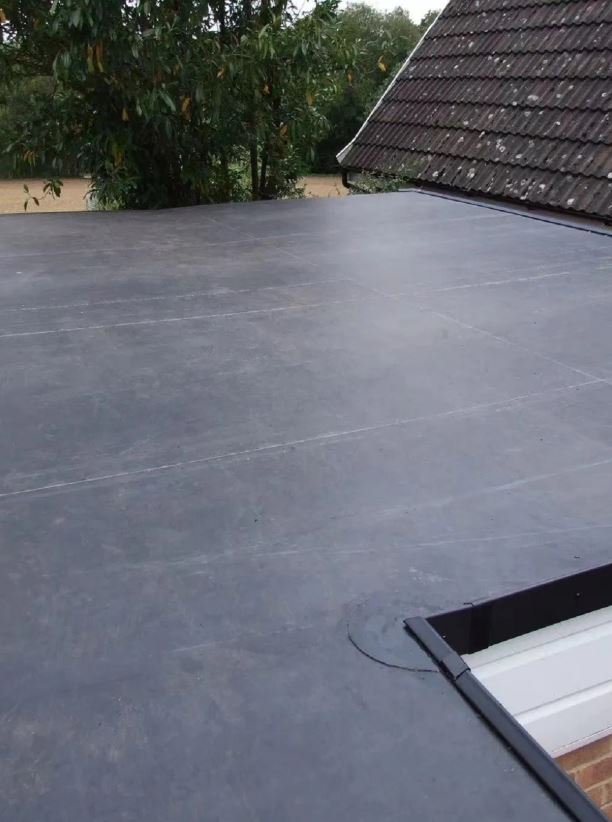
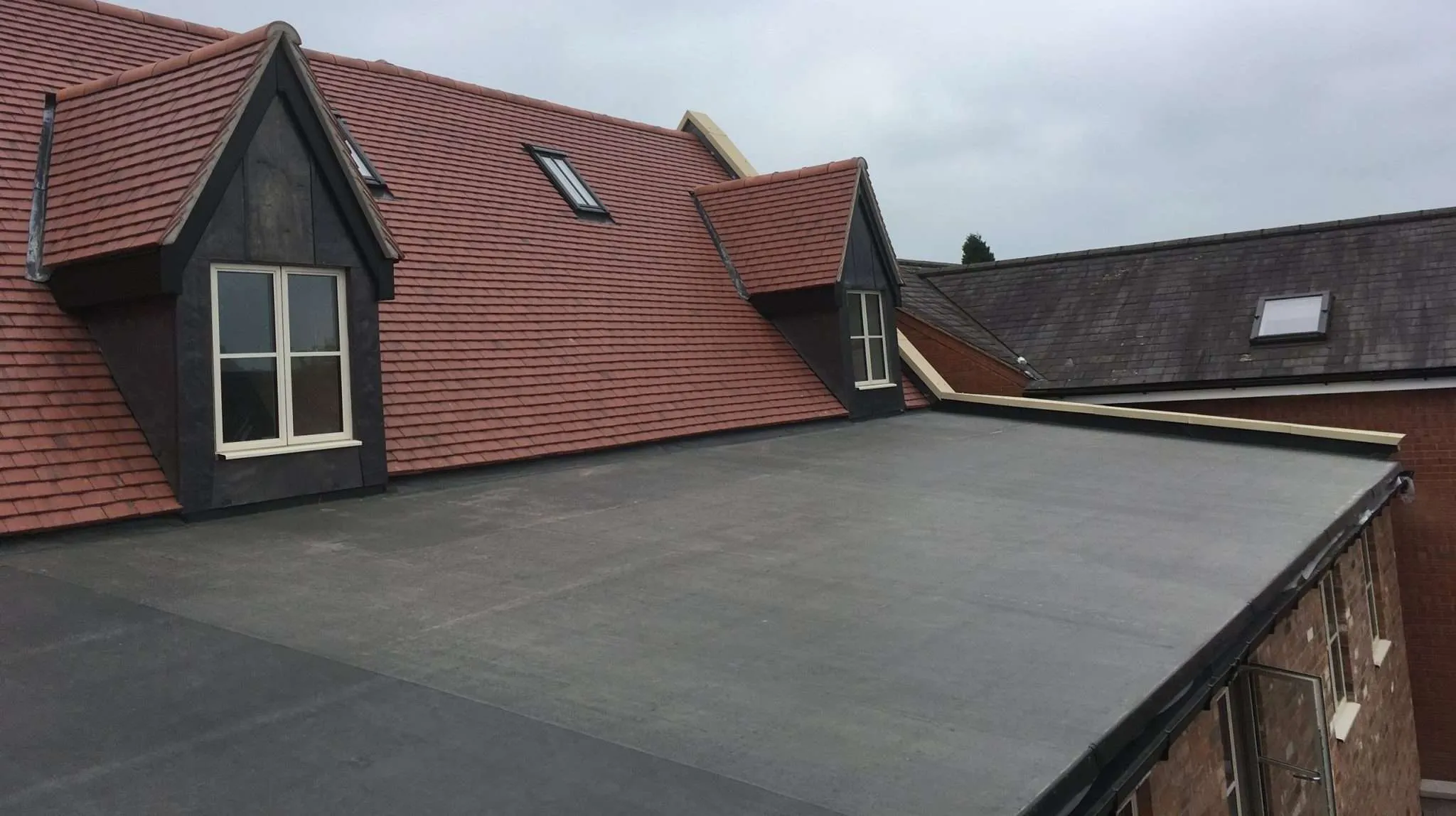
Many homes have a flat or low-slope roof over a garage, porch, or rear addition, and these areas hold water longer than the main roof. We seal cracks, blisters, and open seams on torch-on and rolled roofing, clear clogged drains and downspouts, and check the flashing where the low roof meets the wall of your house, where failed details can allow water entry.
What Happens After You Call Markit for Emergency Roof Repair
A roof emergency at home is always stressful, especially when water is coming through the ceiling. Markit Roofing follows the same simple, proven steps on every residential call, so you always know who is coming, what they will do, and how your home will stay dry until the permanent repair is done.
The First Call and Key Details
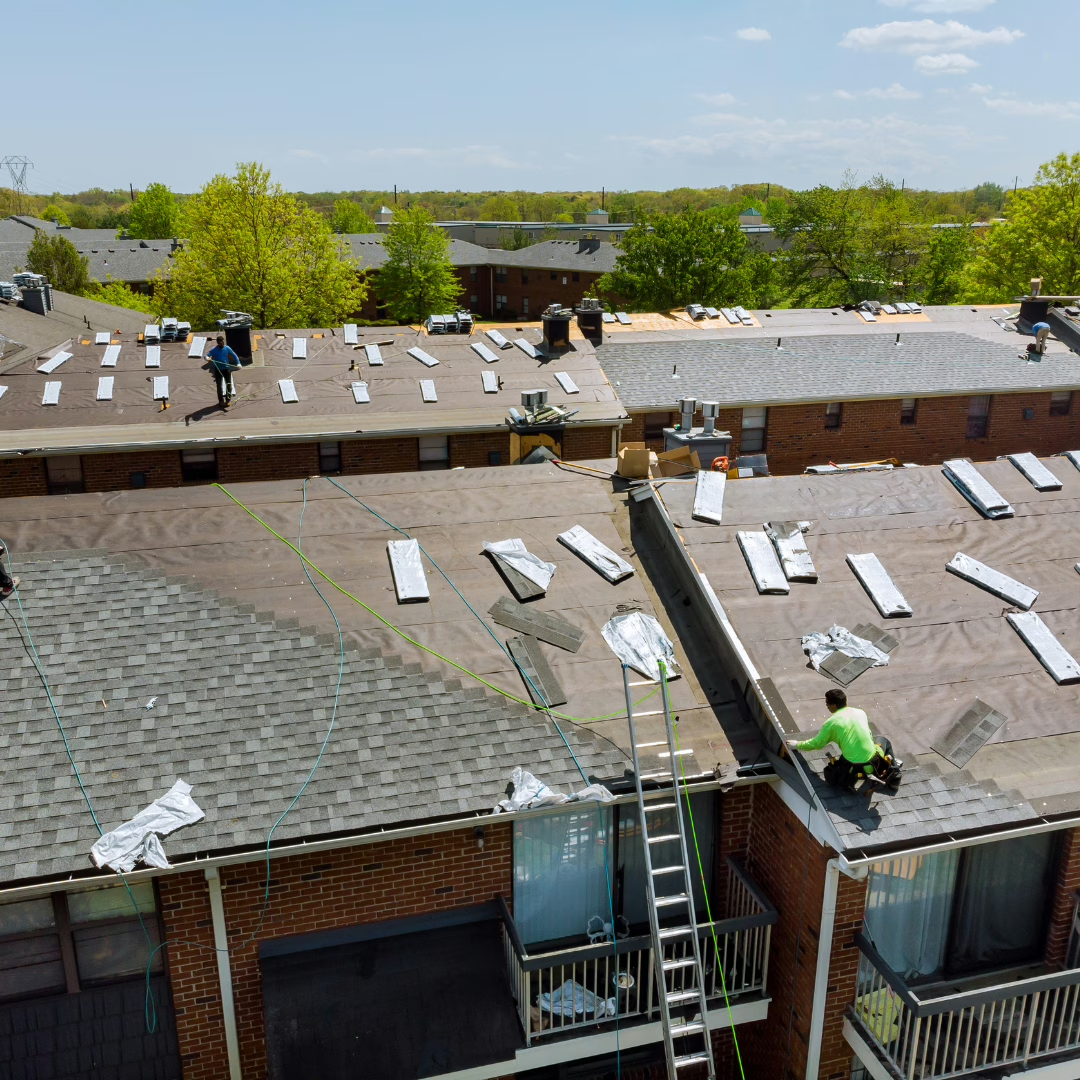
When you call, a Markit team member asks where the leak is, what the roof looks like, and whether any water is near ceiling lights or outlets. That way, our roofer arrives with the right materials and already knows which part of your home needs attention first.
Arrival and Roof Safety Checks
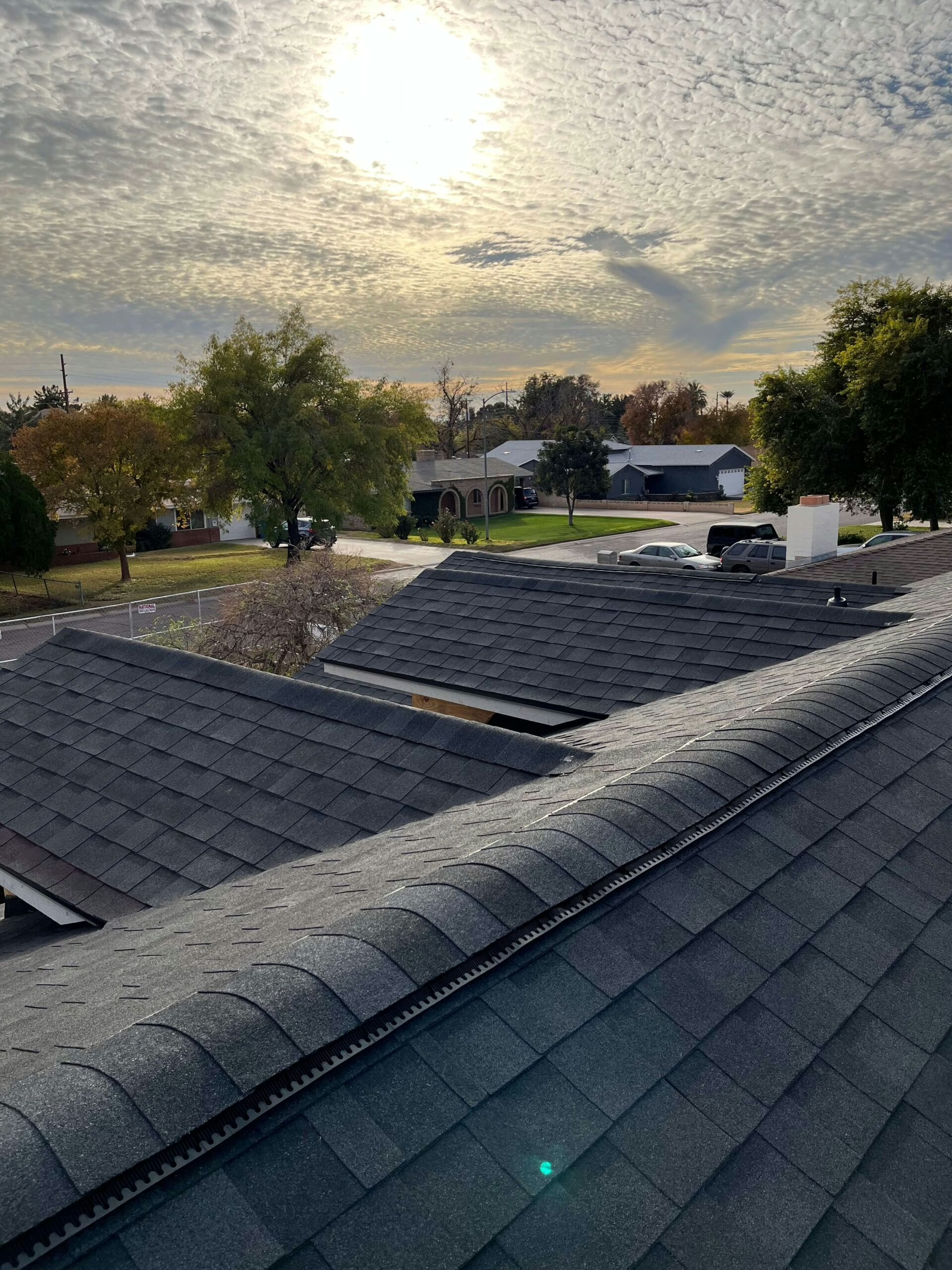
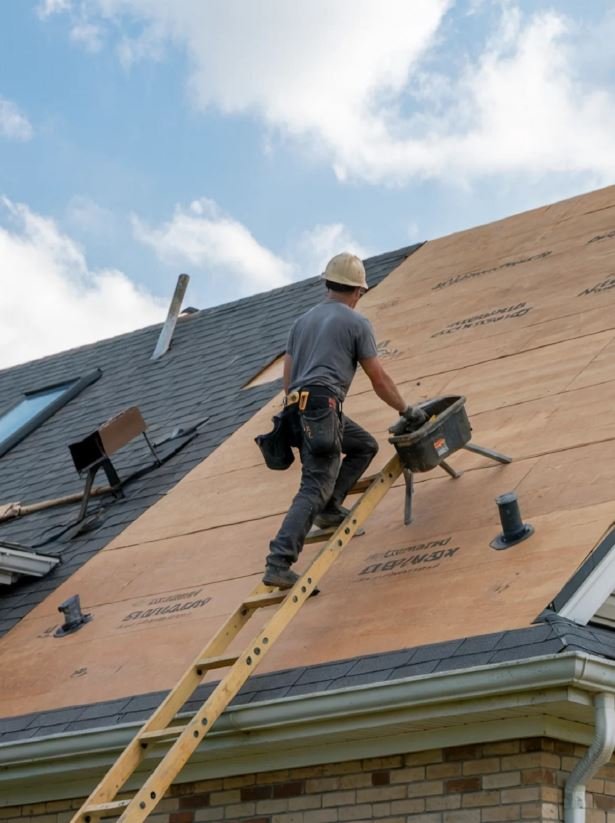
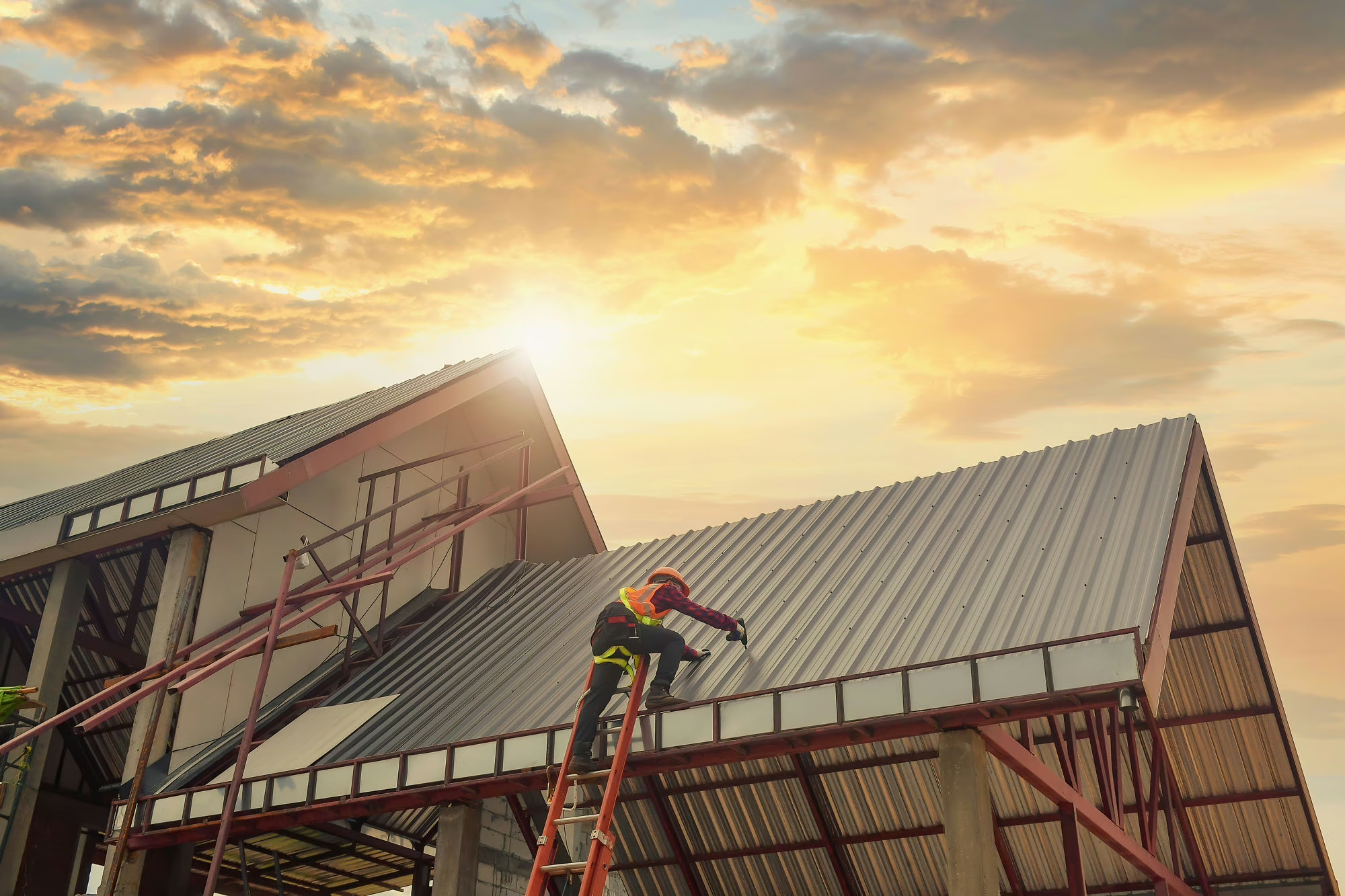
Our roofer inspects the roof from the ground and the ladder before stepping onto a wet or icy surface, using proper fall protection and roof anchors. We also check the attic when it is safe to enter, since it often shows where the water is really coming from.
Protecting Your Home Interiors
Inside, we help you move furniture, place buckets and pails, and cover floors and belongings under the leak. Stopping water from spreading through the house matters just as much as sealing the roof, and it keeps both cleanup and repair costs down for you.
Photos for Your Home Insurance

Before and after the repair, we take clear, dated photos of the damage and write a short report. If you file a roof insurance claim, you can send this report straight to your insurer and adjuster, helping them assess the damage under your policy.
Lasting Repair & Final Cleanup
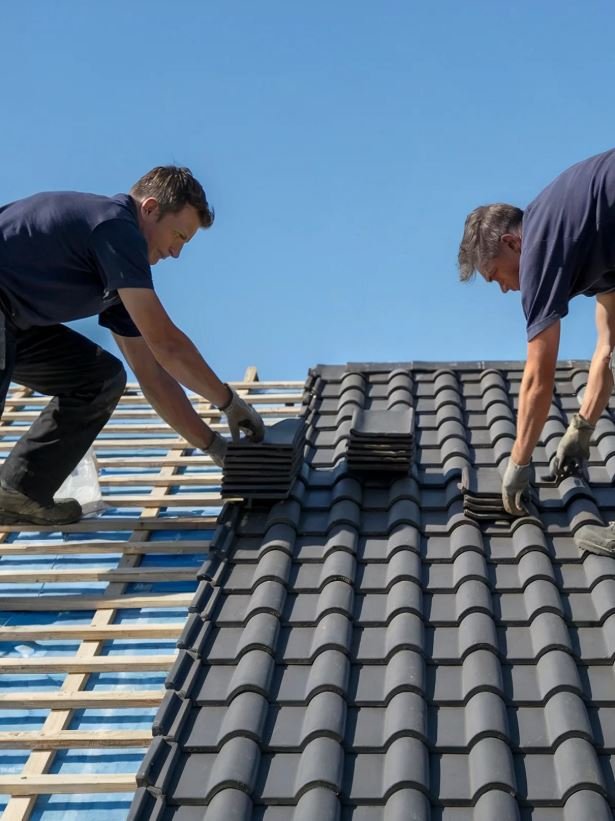
Once the emergency is under control, our Red Seal roofers complete the permanent repair with quality materials. We then remove old shingles, sweep for nails with a magnet, and leave your yard, deck, and driveway clean, so your family can get back to normal.