
Commercial Roof Penetration & Curb Installation
Almost every commercial roof leak starts at a penetration, not in the open field. Wherever a pipe, vent, drain, or HVAC unit passes through the membrane, the roof is only as watertight as the flashing around it. Markit Roofing installs and seals every commercial roof penetration and curb across Calgary and Edmonton, tying each into the membrane.
Sealant smeared on top of a penetration always fails under Alberta sun and freeze-thaw movement. A proper curb and flashing detail is built into the roof, not caulked on it. Our certified crews fabricate curbs, flash pipes and equipment, and rebuild failed terminations to manufacturer standard. Book your penetration and curb service now.
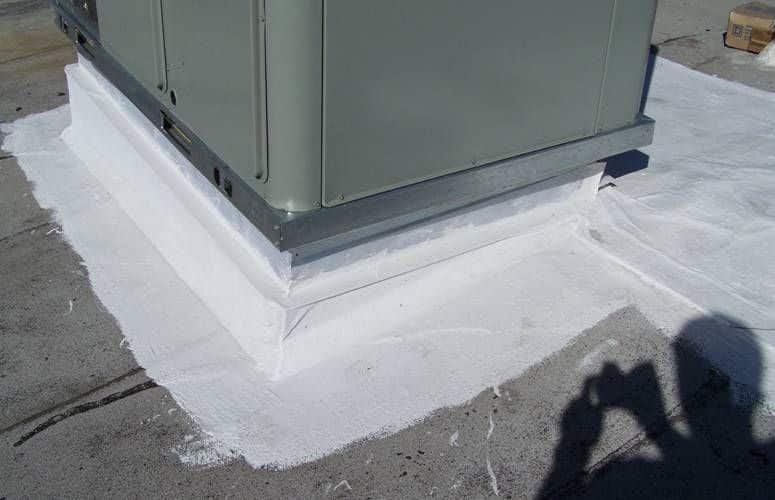
Where Most Rooftop Leaks Really Begin on Flat Roofs
Penetrations are the busiest, most vulnerable spots on any commercial roof. Each one interrupts the continuous membrane and depends entirely on its flashing to stay dry. Movement, sun, and foot traffic slowly break these details down, which is why most persistent leaks trace back to one of these common rooftop features across Calgary and Edmonton buildings.
- HVAC and rooftop unit curbs
- Plumbing and exhaust vents
- Roof drains and scuppers
- Skylights and roof hatches
- Conduit and cable entries
Every one of these needs to be flashed into the membrane, not merely sealed on the surface. Our crews assess each penetration during routine roof maintenance, remove failed materials, and rebuild the detail so it sheds water for years. Getting these hardworking points right is the single biggest factor in keeping your commercial roof penetration details reliably watertight through Alberta’s seasons.
Our Curb and Flashing Process
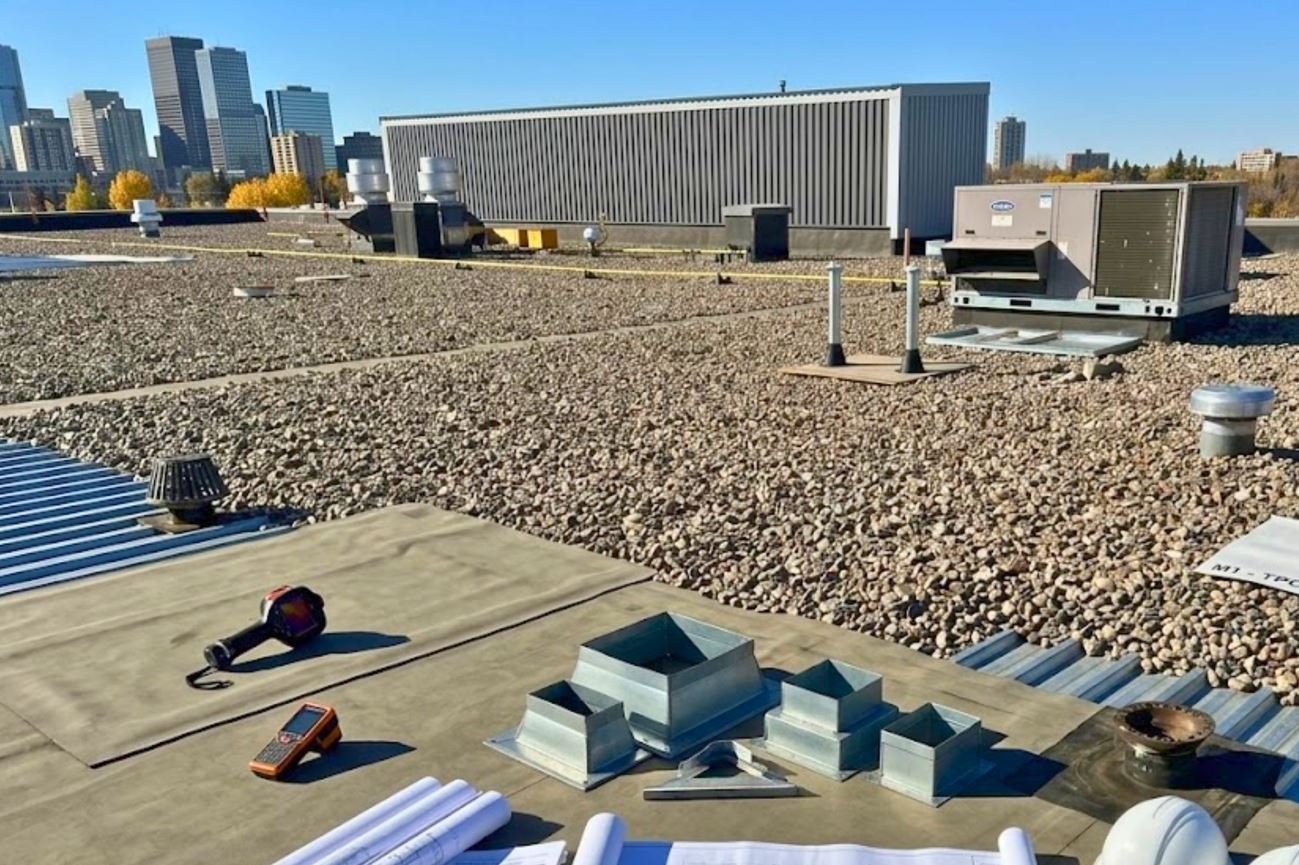
Assess the Penetration Point
Every job starts with a close look at the penetration and the membrane around it. We identify what passes through the roof, check the existing flashing or curb for cracks and gaps, and probe for moisture already below. Understanding the failure stops us sealing over a problem that will resurface.
We note the membrane type, deck condition, and how the penetration was originally detailed, since a proper repair must match your existing TPO, EPDM, or modified bitumen system. This diagnosis lets us build a lasting detail, not a quick patch.
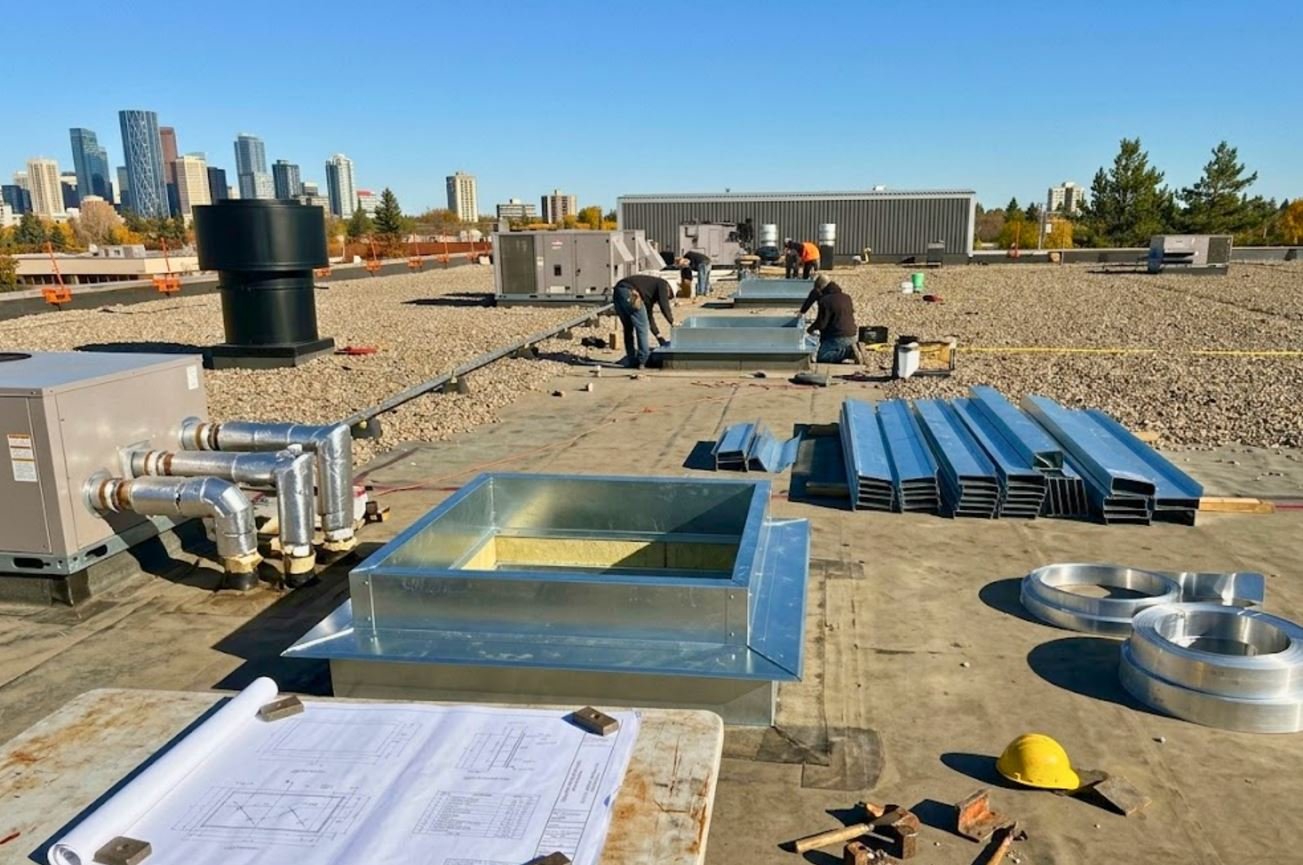
Prepare and Prime the Membrane
With the assessment done, we prepare the surface so new materials bond permanently. We strip away failed sealant, cracked flashing, and deteriorated membrane, then clean and prime the area back to a sound substrate. Skipping this is why so many third-party seals fail fast.
Proper preparation is the difference between a repair that lasts years and one that lifts in months. We make sure the membrane is dry, clean, and primed to manufacturer specification before a single new layer goes down, giving the flashing a reliable foundation to bond to.
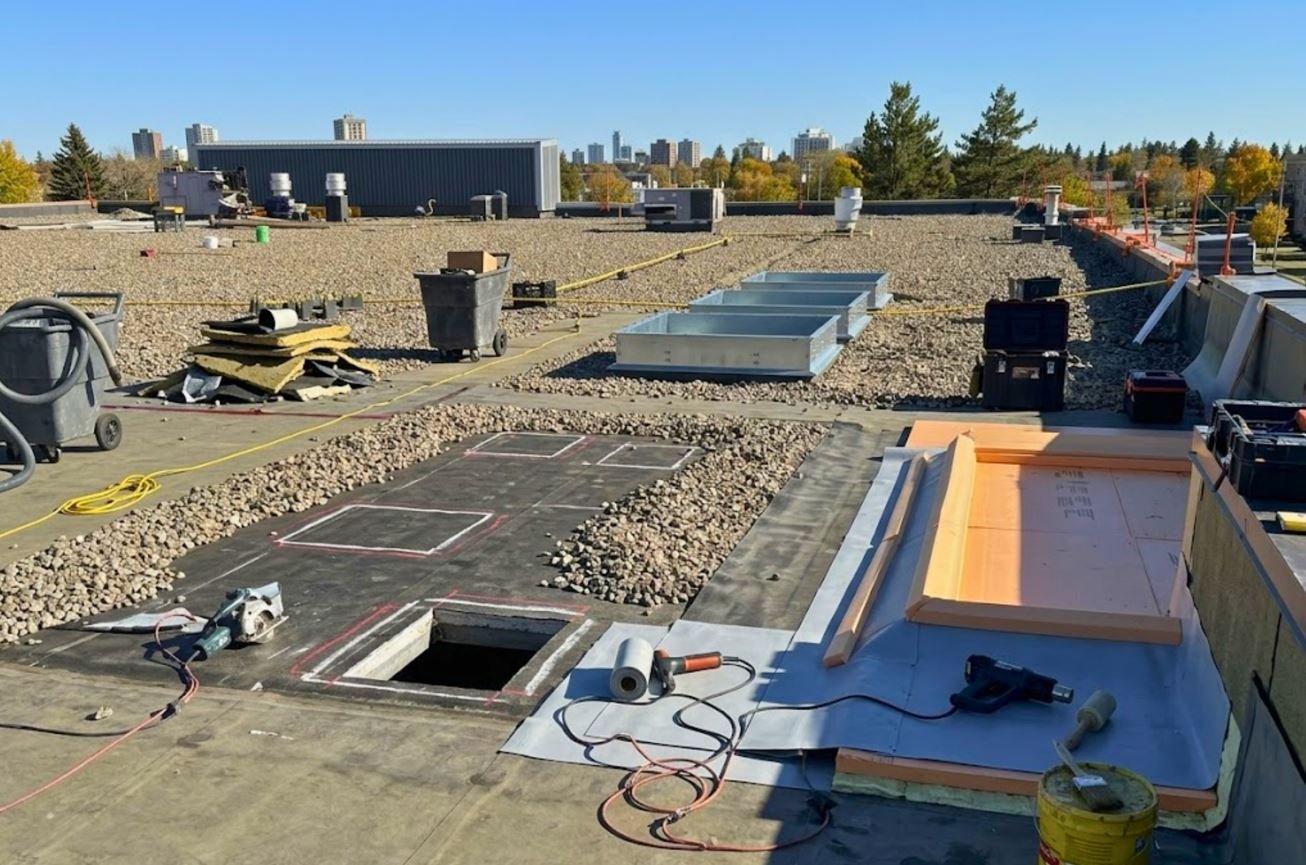
Build and Set the New Curb
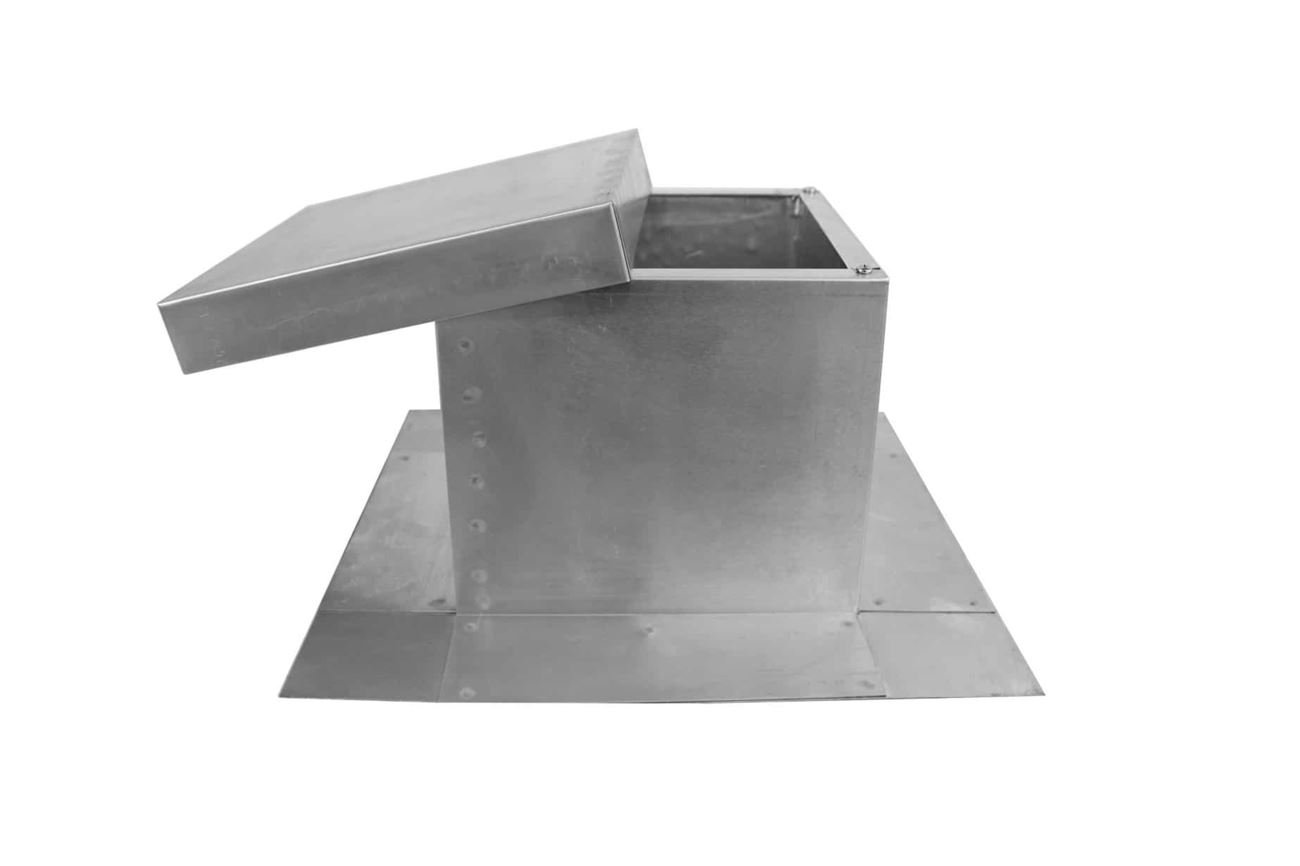
Where a penetration needs a curb, we build or set one engineered to carry the load and shed water correctly. Prefabricated or site-built, the curb is anchored to the deck, insulated, and integrated into the roof slope. It should stand at least eight inches above the finished roof surface, keeping the flashing base clear of snowmelt and standing water.
Height matters more than most owners expect. Equipment set directly on the membrane, or on a curb that is too low, will leak eventually no matter how well it is sealed, because the base sits in the water it is meant to shed.
Flash and Seal It Watertight
The final step ties everything permanently into the membrane. We flash the curb or penetration with material matched to your system, carrying the flashing at least eight inches up the cant strip and blocking, which is the accepted minimum for a durable upstand on a low-slope roof.
Nothing is caulked and left. Every termination is sealed the way the manufacturer intended, then checked for a positive, watertight bond before we leave. The result is a detail engineered to withstand Alberta wind, UV, and freeze-thaw without leaking.
Have a new roofing project?
Rooftop Penetrations and Curbs We Install and Seal
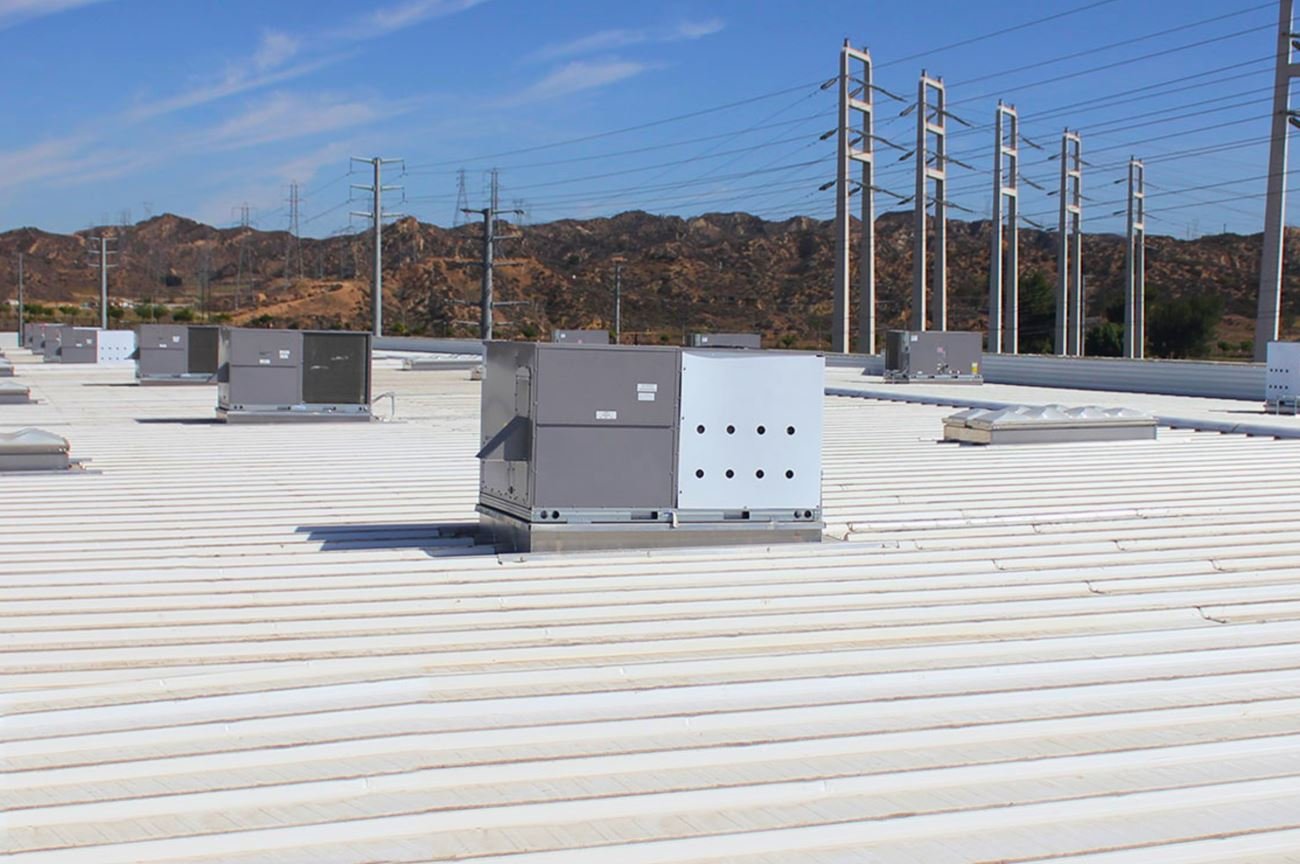
Rooftop HVAC units, exhaust fans, and mechanical equipment all sit on curbs, and those curbs are a frequent source of leaks when poorly detailed. We install prefabricated and site-built curbs sized to each unit, anchored securely to the deck and flashed fully into the membrane. Insulated and set at the correct height above the roof surface, our curbs keep water flowing past rather than pooling at the base. Done right, they let HVAC techs service equipment for years without ever compromising the watertight integrity of your Calgary or Edmonton commercial roof.
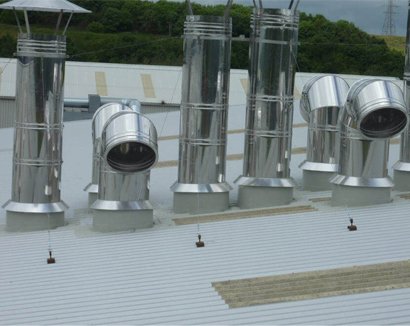
Plumbing stacks, exhaust flues, and gas lines all pierce the membrane and each demands the correct flashing method. We fit pipe boots, target patches, and draw bands matched to your roofing system, sealing every vent into the membrane as a continuous detail rather than a surface caulk job. A flat roof can swing more than 50 degrees between a summer afternoon and a winter night, and that movement is what tears rigid seals apart, so we build in flexibility at every pipe. The result is a clean, durable seal around every pipe and vent that holds firm through Alberta’s punishing temperature swings.
Roof drains and scuppers carry water off the roof, so a failure here does not just leak, it lets standing water build against the detail and accelerate the damage. We install and reflash drains and scuppers so the membrane ties cleanly into the drain body or wall opening with no gaps for water to exploit. Proper clamping rings, lead or membrane flashings, and correct slope to the drain all matter. Getting these outlets right keeps water moving off your commercial roof and protects the entire assembly from the ponding that shortens its life.
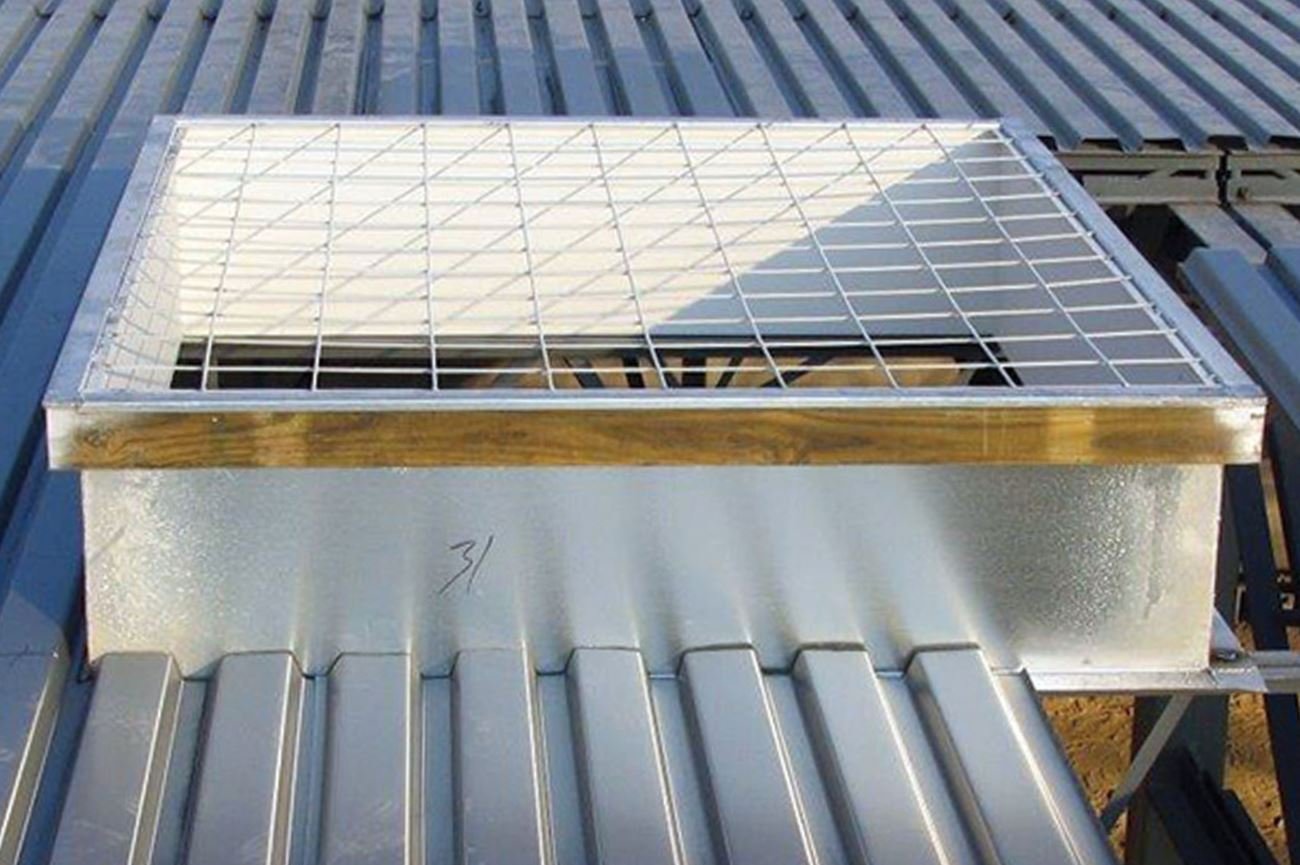
Skylights, roof hatches, and access openings break the membrane over a large area and need robust curb-and-flashing detailing to stay dry. We build or repair the curbs beneath them, then flash the membrane up and over the curb to form a continuous watertight upstand. Corners and transitions get reinforced, since these are where movement concentrates and leaks begin. Whether it is a single hatch or a run of skylights, we detail each opening so daylight and access never let a single leak into your Alberta building below.
Why Our Detailing Work Outlasts the Alternatives
Markit Roofing details rooftop penetrations and curbs the way they should be done, flashed into the membrane and built to last, across every commercial building we work on in Calgary and Edmonton. Our roofers are National Torch Safety certified, which matters when flashing details are torch-applied around live equipment on an occupied commercial building.
Detailing Done by Specialists
Penetration and curb work is precise, unforgiving detailing, and our roofers are trained and certified to do it to specification. They know how to tie flashings into TPO, EPDM, and modified bitumen systems so the detail becomes part of the roof, not a patch stuck on top. That skill is what separates a seal that lasts years from one that fails the first Alberta winter after it goes in.
Manufacturer-Spec Detailing
We flash every penetration and curb to the roofing manufacturer’s exact specification, using the boots, patches, drains, and welding methods each system requires. This protects your warranty and ensures the detail performs as engineered. Generic caulk is not a flashing material and voids most warranties, so we build each detail to spec, keeping every commercial roof penetration watertight and compliant.
Watertight Membrane Tie-Ins
The whole point of proper detailing is a continuous, monolithic membrane with no weak surface seals to fail. We heat-weld or fully adhere every flashing so the penetration or curb becomes an integral part of the roof, not a separate patch. This tie-in approach is what keeps water out permanently, sparing you the endless chase of resealing the same leaking commercial roof penetration season after season.
Built for Alberta Weather
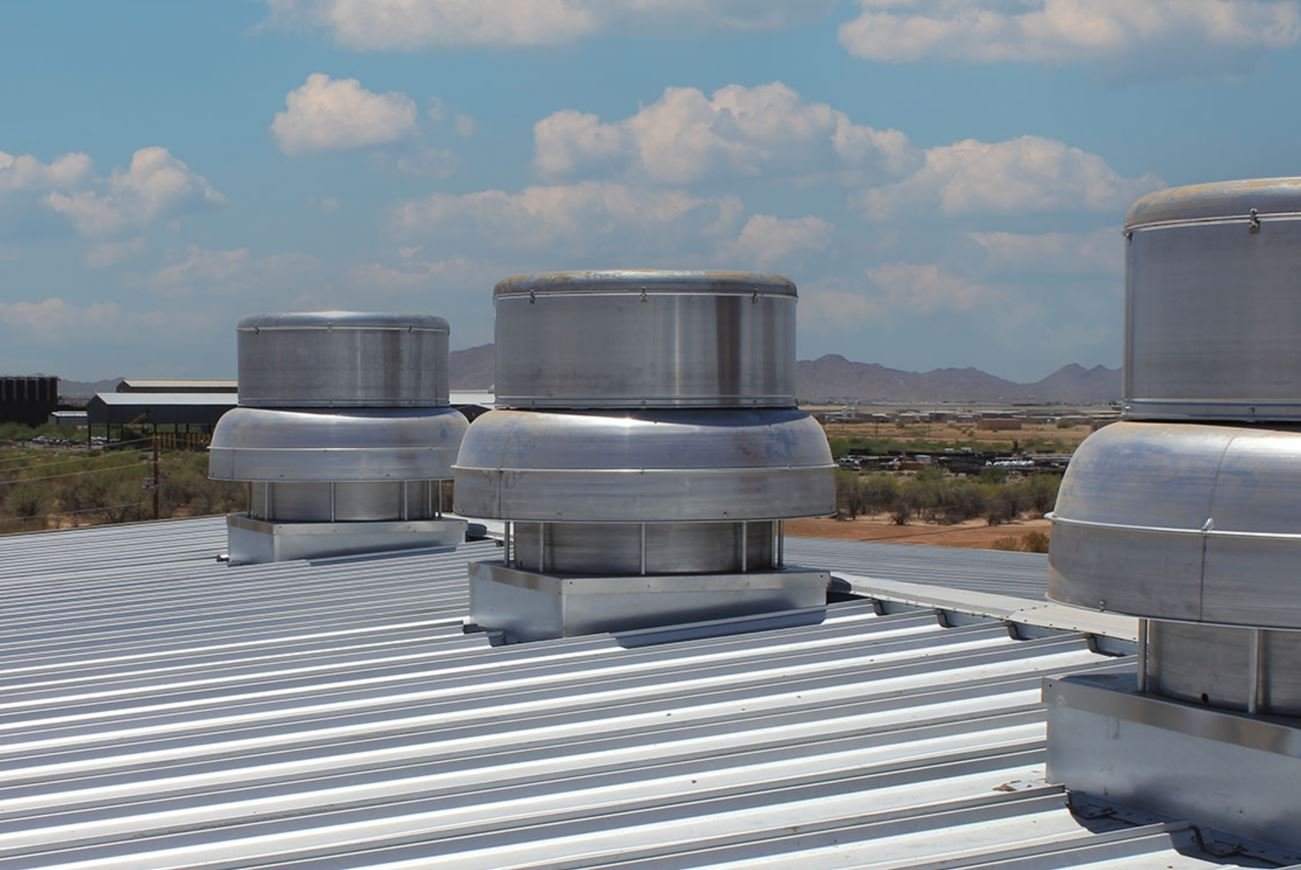
Every detail we build is engineered for Alberta’s brutal conditions, where sun, wind, and freeze-thaw movement tear apart anything less. We use flexible, reinforced materials and correct geometry so penetrations and curbs move with the roof over its 20 to 30 year life instead of cracking apart. That climate-focused approach is why our details keep holding when generic seals around them have long since failed on buildings across Calgary and Edmonton.
Coordination With Your Trades
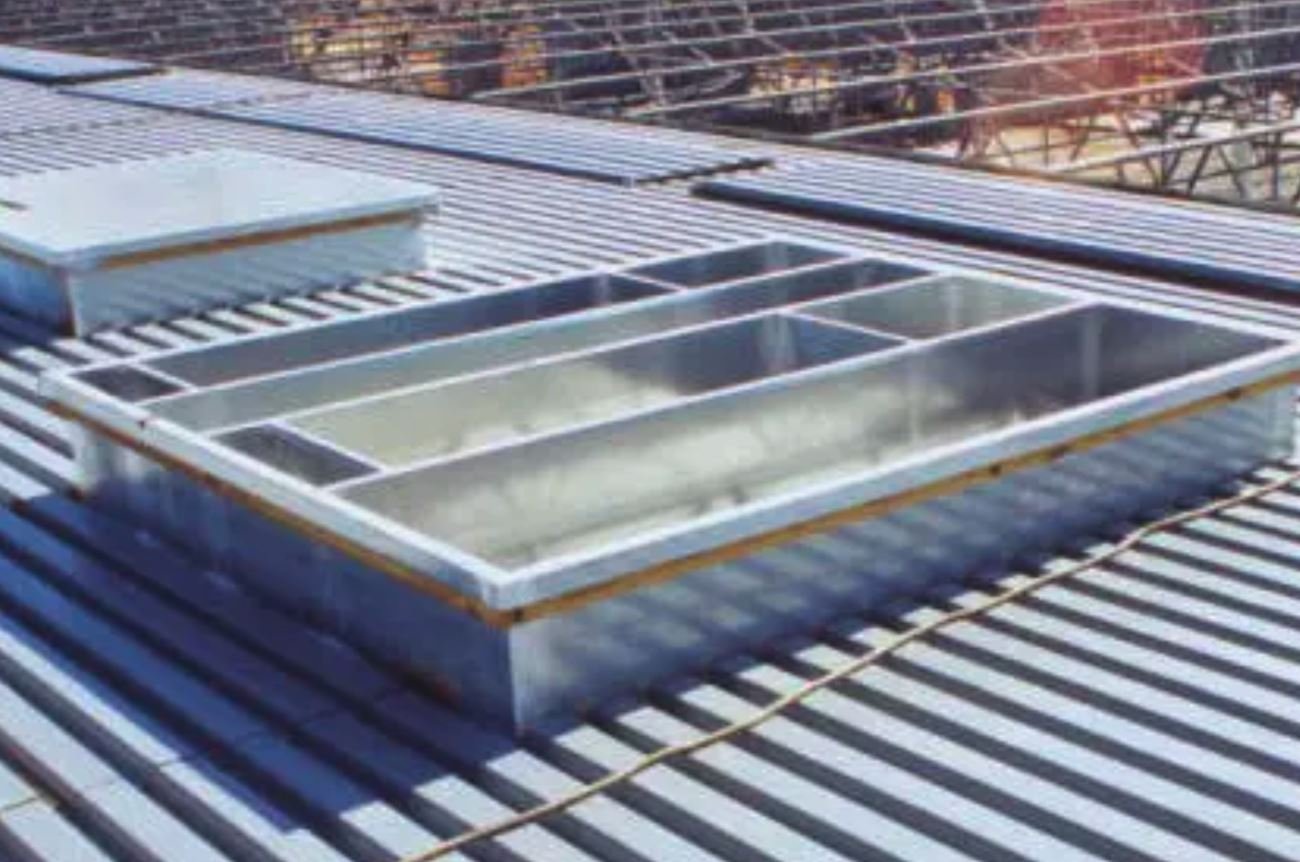
Most leaking penetrations we repair began as third-party work, where an HVAC or electrical contractor sealed around their own installation using the wrong materials. A leak detection survey traces which penetration is actually leaking, and we coordinate directly with your other trades so new rooftop equipment is flashed in correctly from the start. That cooperation protects both your roofing warranty and the valuable equipment sitting on top of it.


