
Commercial Roof
Maintenance & Repair
Small roof problems rarely stay small on a commercial building. A neglected seam or a clogged drain quietly leads to water damage, mould, and premature failure. Markit Roofing keeps commercial roofs healthy across Calgary and Edmonton with proactive maintenance and prompt repairs that catch trouble early and stretch every roof’s service life.
This page covers planned, scheduled care. If your roof is failing right now, you need emergency roof repair instead. Our certified team handles the ongoing upkeep your building needs through harsh Alberta seasons. Regular upkeep protects your warranty, your tenants, and your bottom line. Partner with us to keep your roof performing and avoid far larger repairs later.
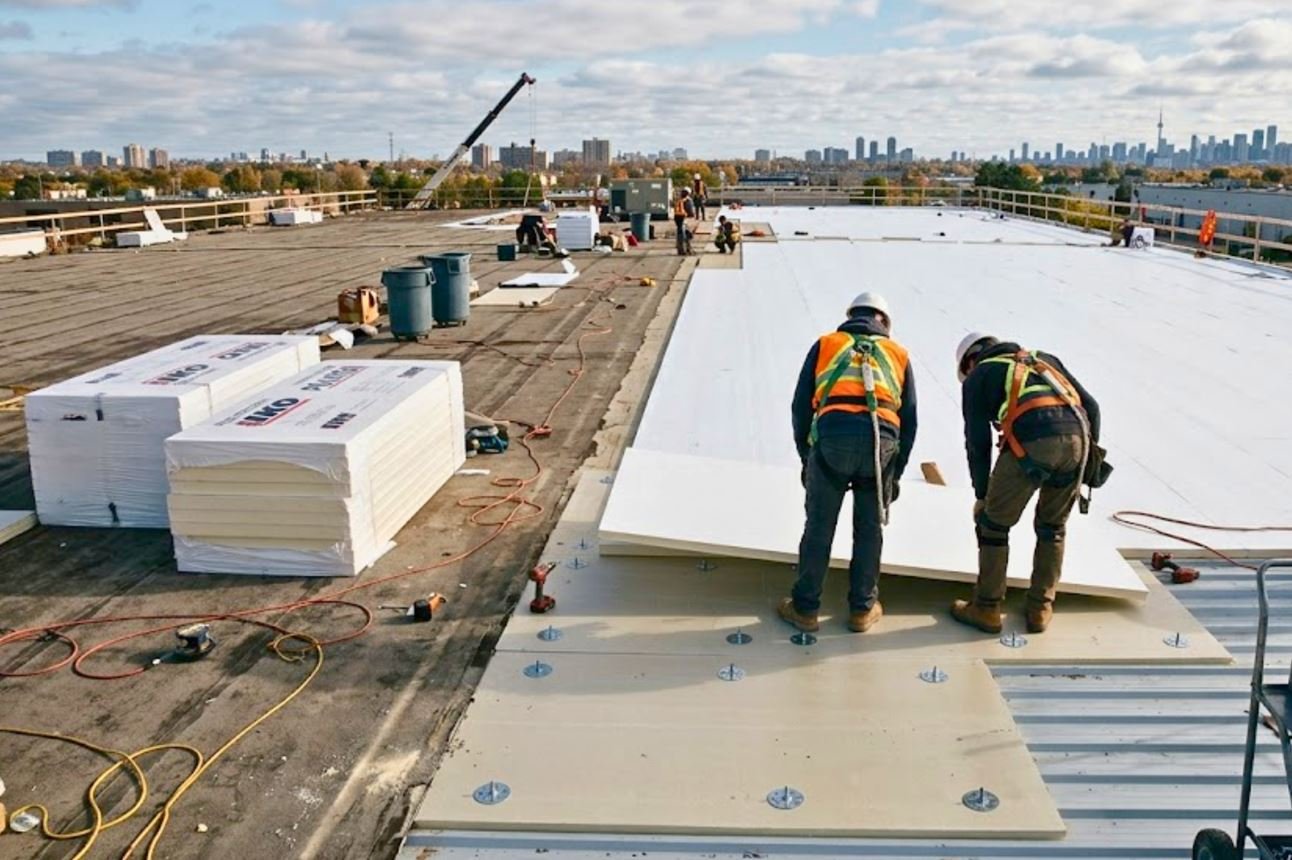
Protect Your Commercial Roof and Extend Its Life
Catching roof trouble early is far easier and less disruptive than reacting to a full failure. Many warning signs appear long before a leak ever reaches your interior, and a trained eye spots them easily during routine maintenance visits. Watch for these common indicators on your Calgary or Edmonton commercial property throughout the year.
- Water stains on ceilings
- Pooling water after rain
- Cracked or lifting flashing
- Granules in roof drains
- Bubbling or blistered membrane
Left unaddressed, each of these signals accelerates wear and invites water into your building envelope, where saturated insulation loses most of its R-value and stops paying for itself. Our technicians document what they find during a full roof inspection, rank the fixes by urgency, and recommend a service rhythm suited to your roof’s age and system—a roof more than 15 years old needs closer attention than one still under warranty.
Our Roof Maintenance Process
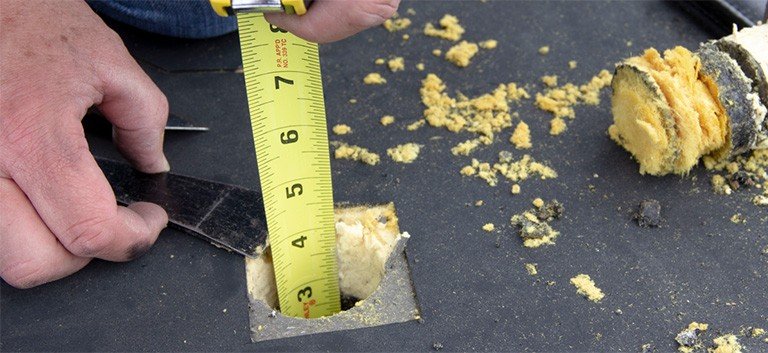
Comprehensive Roof Inspection
Every maintenance visit begins with a methodical inspection of the whole roof surface. We examine seams, flashings, penetrations, drains, and the membrane field, noting wear, ponding marks, and early failures. Rooftop equipment and curbs get particular attention, because most leaks start where something passes through the membrane, not in the open field.
We record each finding with photos and a written summary, so you get a clear condition report rather than a vague update. That record also satisfies the documented-maintenance requirement most manufacturers attach to their warranties.
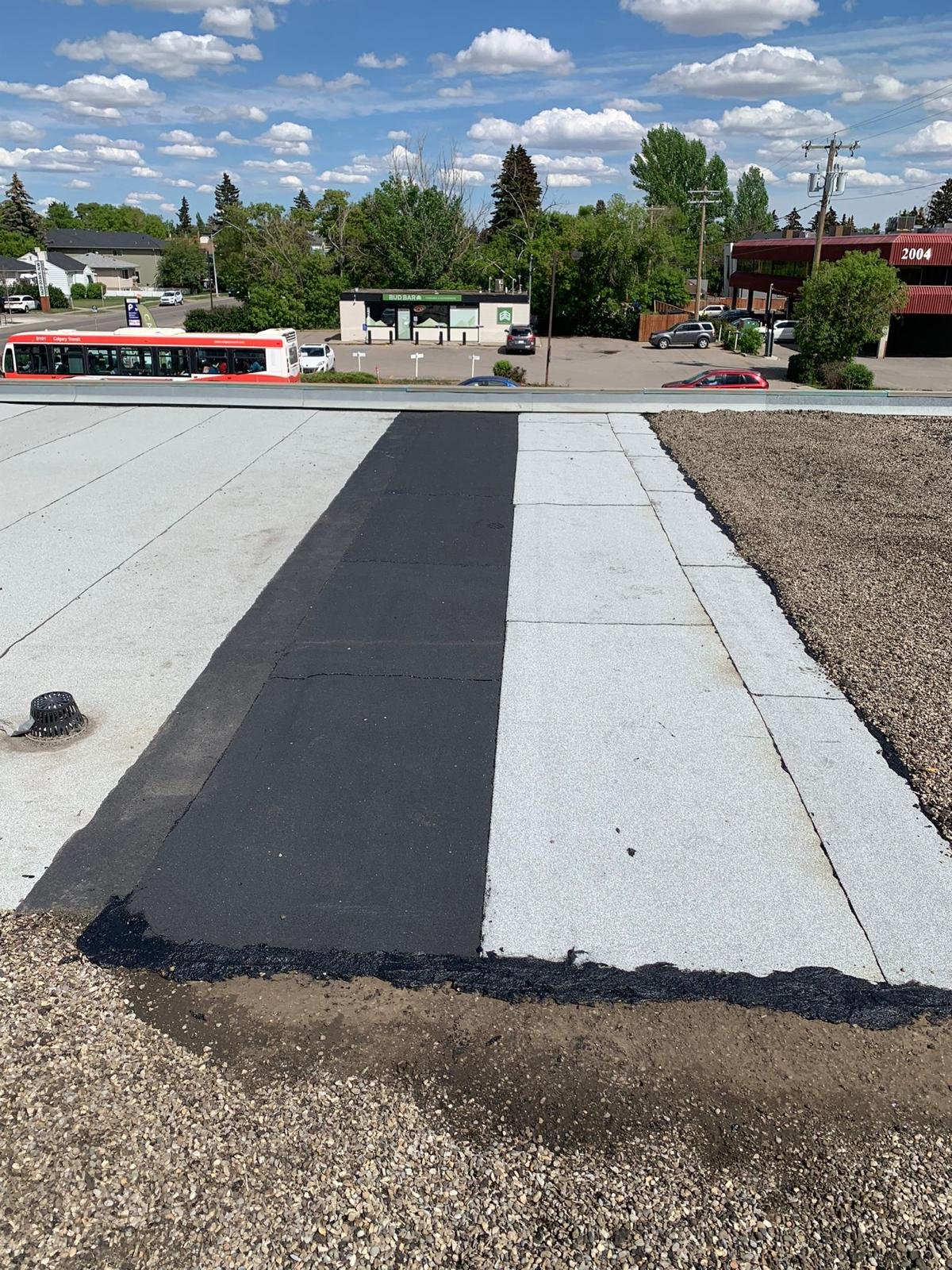
Targeted Leak and Repair Work
When the inspection reveals defects, we carry out targeted repairs on the spot wherever possible. Failed seams are re-welded, cracked flashing is rebuilt, open penetrations are resealed, and damaged membrane is patched to manufacturer standards before the problem spreads.
Repairs use materials matched to your existing TPO, EPDM, or modified bitumen system. That compatibility matters more than most owners realise: a patch made from the wrong material will not bond permanently, and it is the most common reason a repair fails again within a season.
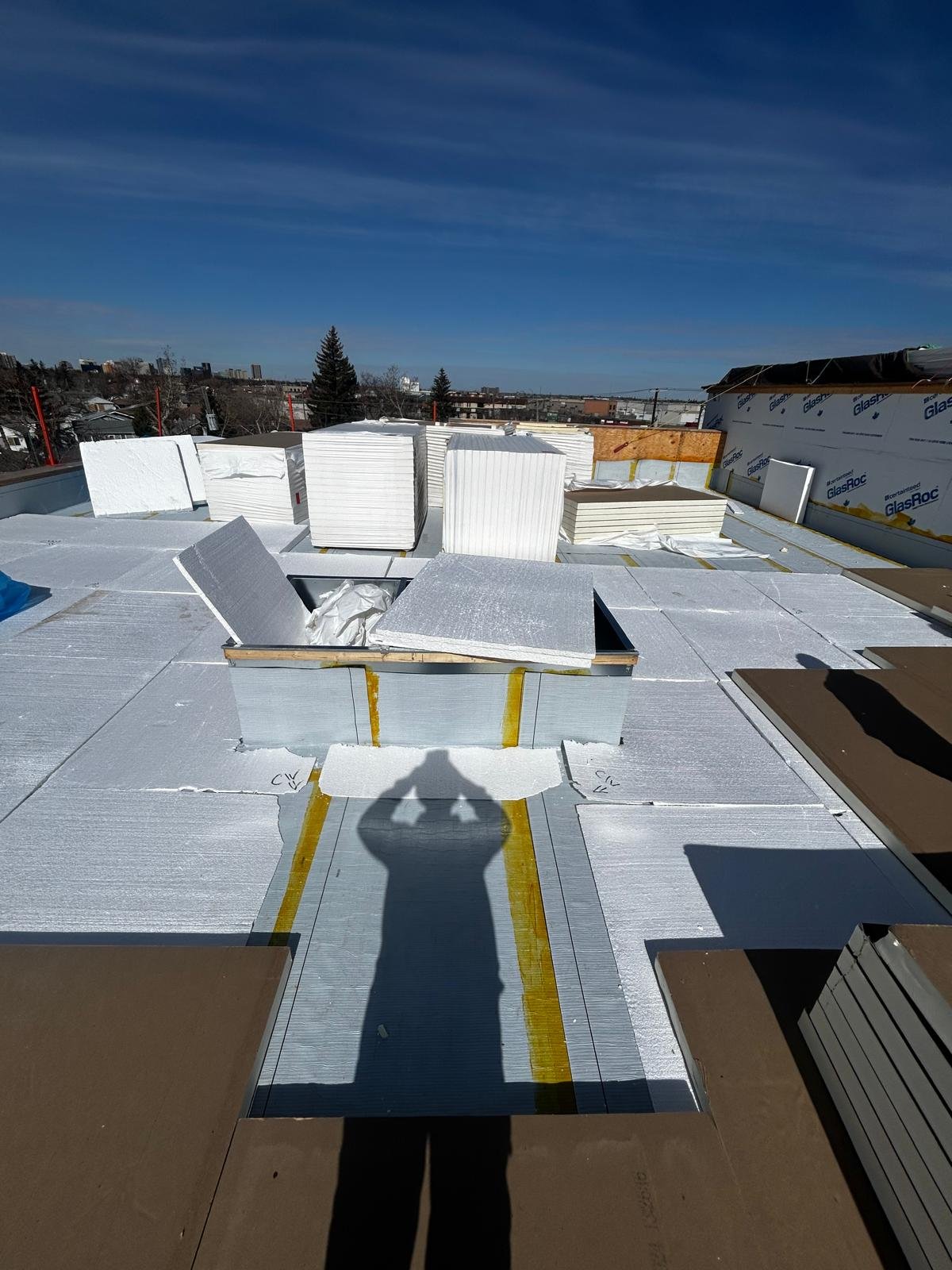
Drainage and Debris Clearing
Alberta roofs live and die by their drainage, so clearing water pathways is central to every visit. Water should clear within 48 hours of rainfall; anything longer counts as ponding. We remove leaves, granules, and debris from drains and scuppers and handle commercial gutter cleaning along the roof edge so water can leave the building.
Standing water shortens membrane life and adds dangerous weight during heavy snowmelt. By keeping drainage clear and checking slope to drains, we protect your commercial roof from ponding, premature ageing, and the hidden leaks stagnant water forces through.
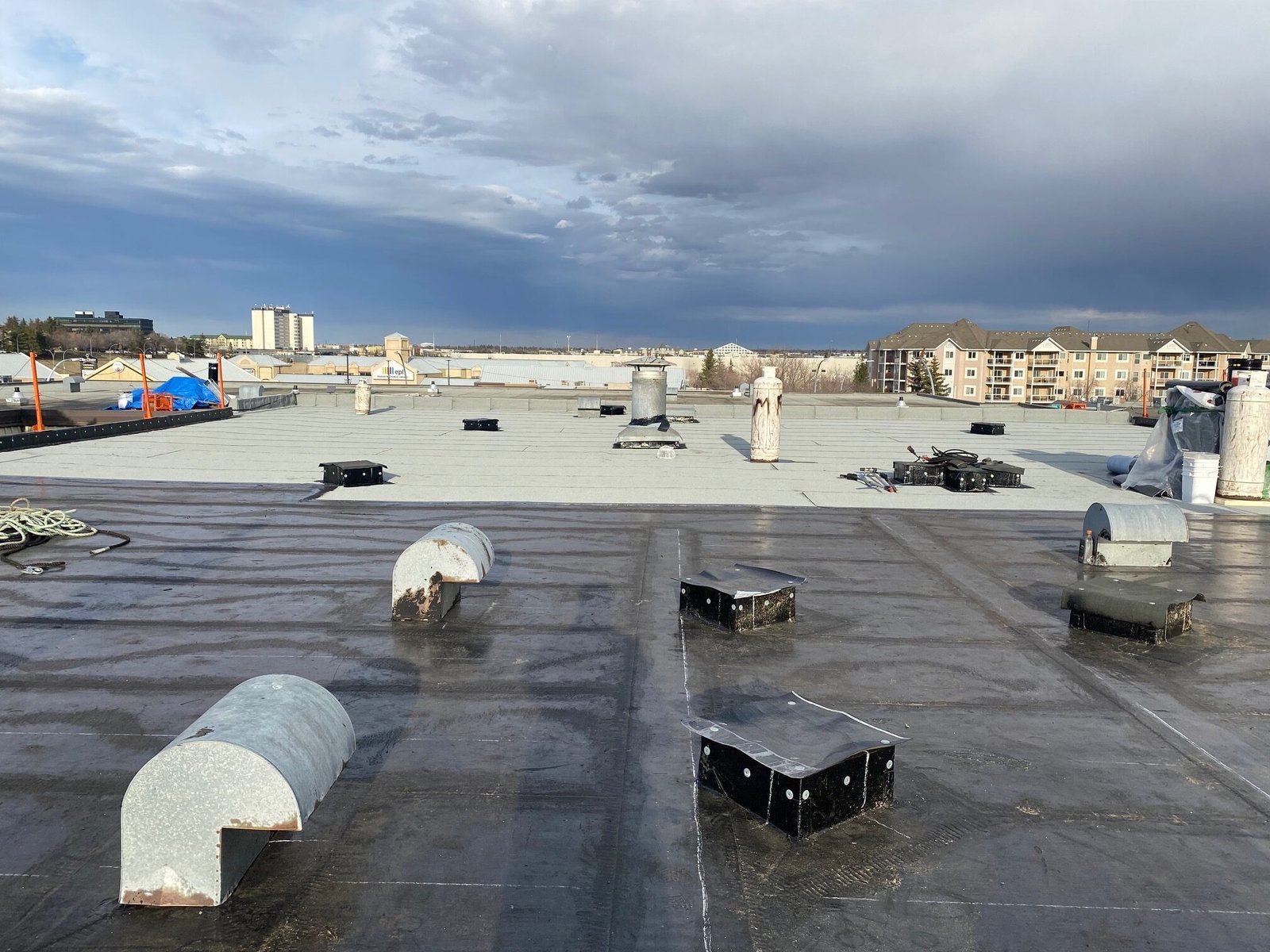
Scheduled Maintenance Reporting
For buildings on a maintenance program, every visit closes with reporting and forward planning. Industry practice is two inspections a year, spring and fall, plus a check after any major storm. We update your roof file and schedule the next visit.
This proactive rhythm is what makes commercial roof maintenance pay for itself. Where the membrane is worn, but the deck is sound, a roof coating system can extend service life further still, and planning can extend the life of your commercial roof. It spares you the disruption caused by an unexpected failure at your Alberta property.
Have a new roofing project?
Roof Repairs and Upkeep We Handle Across Alberta
Flashing and seams are the most common failure points on any commercial flat roof. Where the membrane meets walls, curbs, vents, and skylights, movement and weather gradually break the bond, opening a path for water. We re-weld separated seams, rebuild deteriorated flashing, and reseal terminations to restore a continuous watertight barrier. Catching these details early during routine maintenance prevents the slow, hidden leaks that damage insulation and interior finishes across your Calgary or Edmonton building over time.
Ponding water is one of the biggest enemies of a flat commercial roof in Alberta conditions. When drainage fails, water sits for days on end, degrading the membrane, adding weight, and breeding leaks at the lowest points. We clear blocked drains and scuppers, correct low spots with tapered fill, and restore proper slope so water leaves the roof quickly. Solving drainage protects both the membrane and the structure beneath it, extending the working life of your entire commercial roofing system for many years to come.
Over time, sun, wind, hail, and freeze-thaw cycles blister, crack, and thin the roof membrane itself. Left alone, these weak spots eventually split open, letting water into the assembly below. We patch punctures, repair blisters, and reinforce worn areas with material matched to your existing TPO, EPDM, or modified bitumen system. Restoring membrane integrity exactly where it has degraded keeps your commercial roof sealed and buys valuable extra years before a full replacement is ever needed on your building.
Alberta winters test every commercial roof with heavy snow, ice dams, and punishing freeze-thaw swings each year. Snow itself is rarely the problem; the danger is drifting, which piles loads unevenly against parapets and behind rooftop units, where the structure was never designed to carry them. We clear those drifts safely, clear ice from drains and edges, and inspect for the stress cracks cold weather opens up. Seasonal visits before and after winter help catch damage early and keep meltwater from backing up beneath the membrane.
Why Property Managers Rely on Markit Roofing for Upkeep
Markit Roofing helps businesses across Calgary and Edmonton get the most from their commercial roofs through disciplined maintenance and honest, skilled repairs. Our work is COR-certified through the Alberta Construction Safety Association, so scheduled service on your building is delivered safely, properly documented, and carried out by trained technicians at every visit.
Technicians Who Know Your Roof
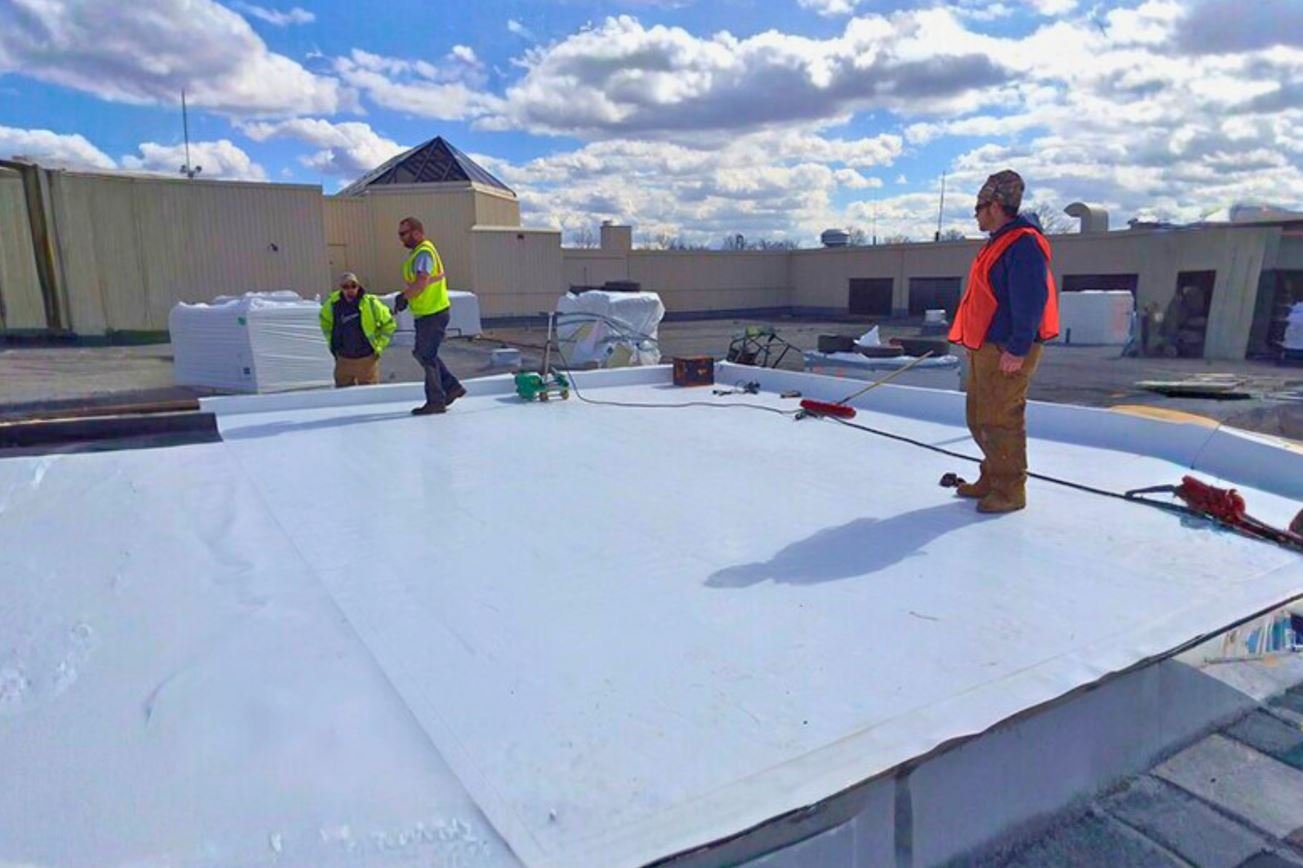
Our maintenance and repair crews have worked hands-on with every membrane type commonly used here, so they know exactly how TPO, EPDM, modified bitumen, and built-up roofs age over time and where each tends to fail first. That expertise means faster diagnosis and repairs done to manufacturer standard, protecting the warranty and performance of the roof already on your Alberta building.
Preventative Maintenance Plans
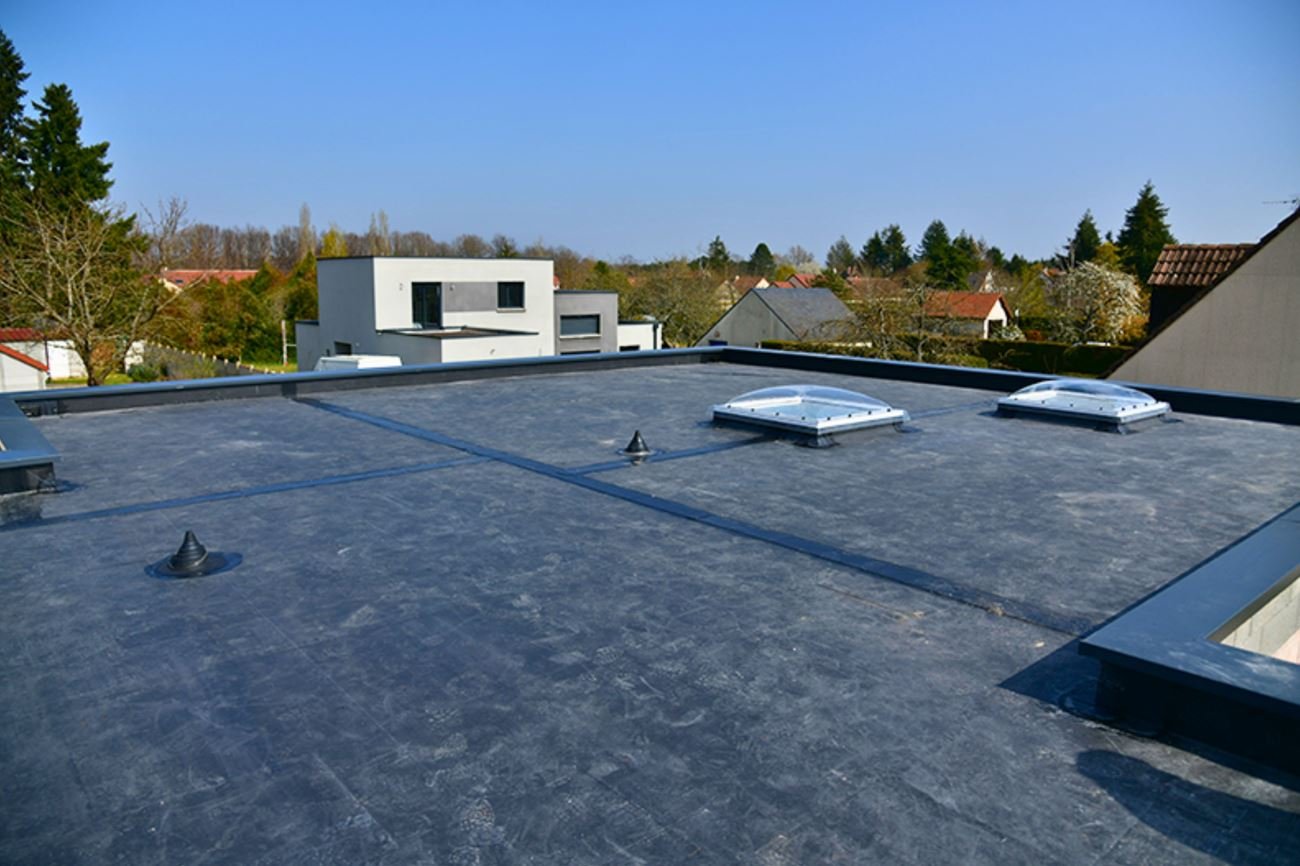
The whole point of commercial roof maintenance is to prevent failures before they happen, and that is exactly how we work. Scheduled inspections, seasonal cleaning, and early repairs catch small issues in the window where they are still a patch rather than a section replacement. This proactive approach spares you emergency callouts, interior damage, and the far greater disruption of replacing a roof that could have lasted years longer.
Detailed Photo Reporting
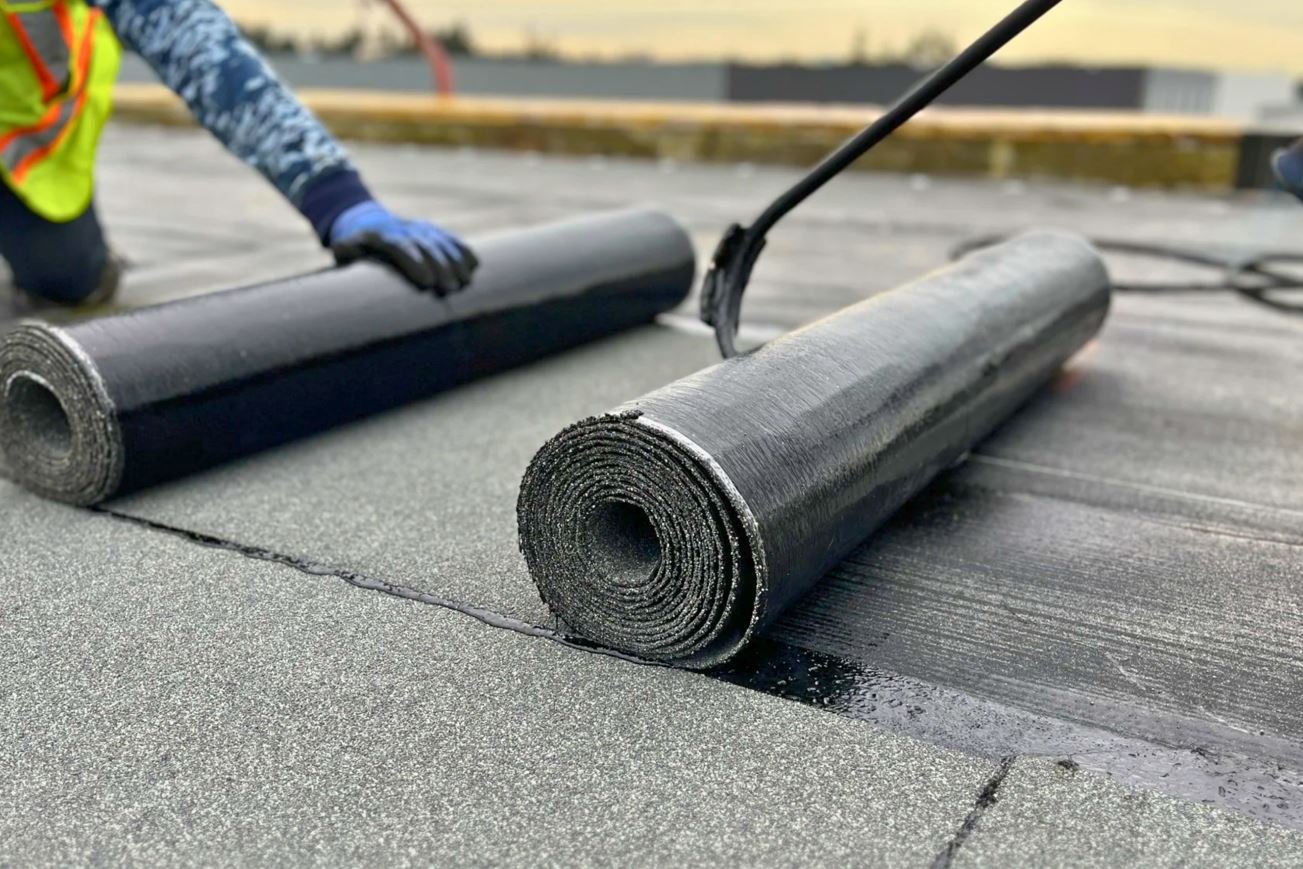
You should never have to wonder about the state of your roof. After every visit, we provide detailed photo reports documenting exactly what we inspected, what we found, and what we repaired or recommend next. This clear record helps property managers plan, supports insurance claims, and gives you full visibility into the commercial roof protecting your building and its contents.
Warranty-Protecting Upkeep

Neglected maintenance is one of the fastest ways to void a roofing warranty, and many manufacturers now require documented upkeep to keep it valid. We keep your roof compliant with scheduled service and proper records, protecting the coverage you paid for. Staying on top of commercial roof maintenance safeguards both your warranty and the long-term investment your roof represents for your Alberta business.
Documented Roof Service History
Every visit we make is logged against your building, so your roof builds a documented service history rather than a pile of disconnected invoices. Over the years, that record clearly shows how the roof is ageing, which areas keep needing attention, and when a replacement genuinely becomes the wiser move. Few things help a property manager plan capital works with more confidence than that.