Residential Roof Inspection & Leak Detection
You cannot fix what you cannot find, and roof leaks are famously hard to find. Water enters at a flashing or a lifted shingle, travels along the deck, and shows up as a ceiling stain a room away from where it started. Markit Roofing provides residential roof inspections and leak detection across Calgary and Edmonton, tracing problems to their true source rather than guessing.
An inspection earns its keep at three points in particular: before you buy a home, after a hailstorm, and once a roof passes fifteen years. In each case, a couple of hours with a trained eye and a thermal camera can spare you a surprise that only shows itself once water is already inside the walls. Book your inspection today and know where your roof stands.
When a Home Roof Inspection Pays for Itself Twice
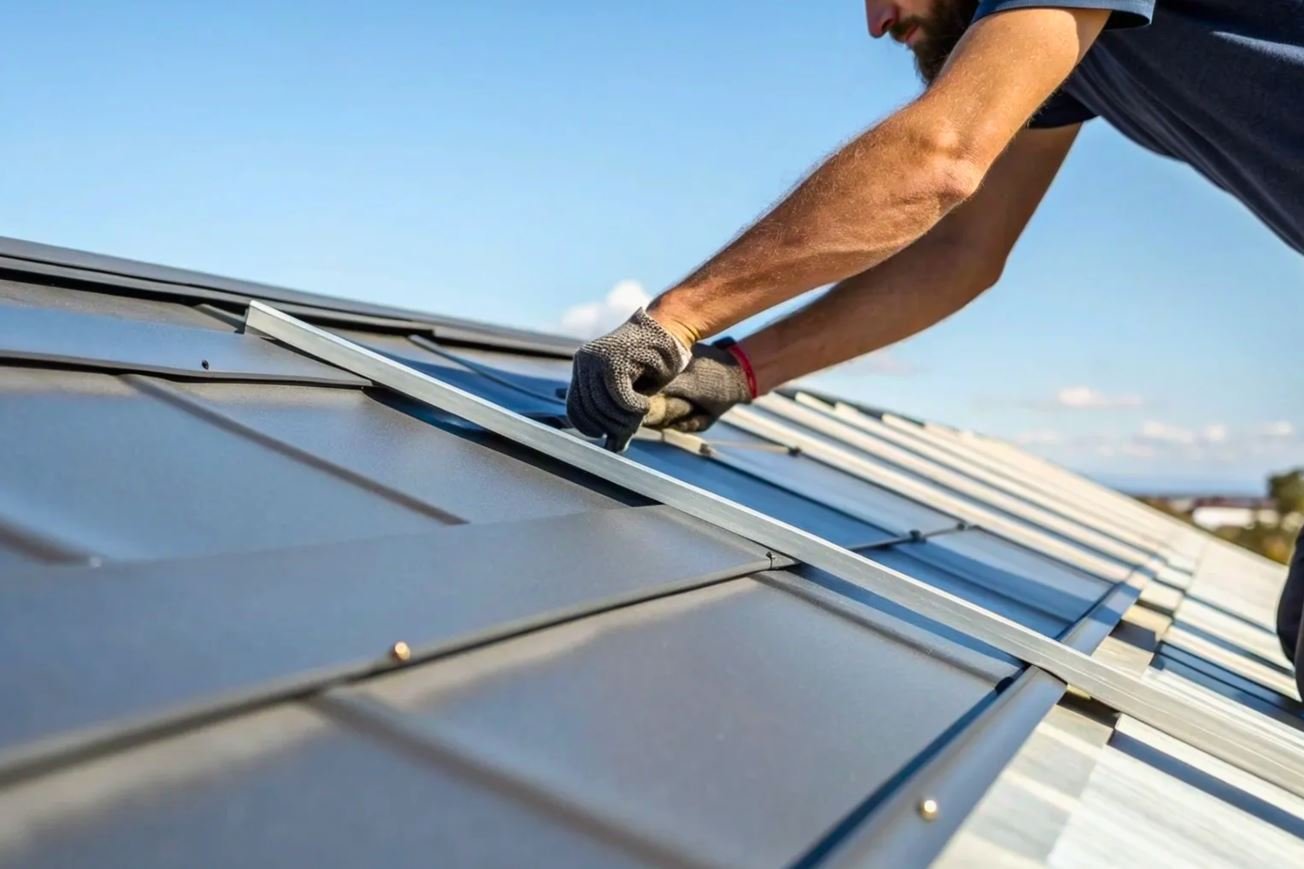
An inspection is a small step that heads off a large unknown. The classic case is a house purchase: a roof with only a year or two left in it is one of the biggest things a new owner can inherit, and a stain painted over before a showing hides exactly the problem you most want found. A few common situations make a residential roof inspection genuinely worth booking.
- Before you buy a home
- After a major hailstorm
- Ceiling stains or attic damp
- The roof is over 15 years old
- Selling and want no surprises
The other common trigger is a storm. Hail damage in particular hides well, looking fine from the driveway while the granules that protect the shingles are already gone. Catching that early keeps your insurance options open, because a claim filed months after the event is far harder to prove than one documented while the damage is still fresh.
Our Roof Inspection Process
Walk the Whole Roof Surface
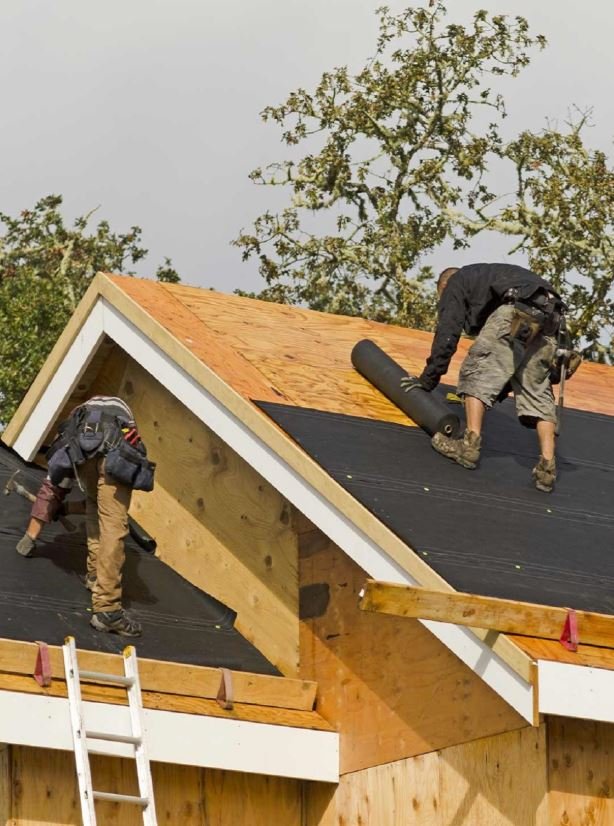
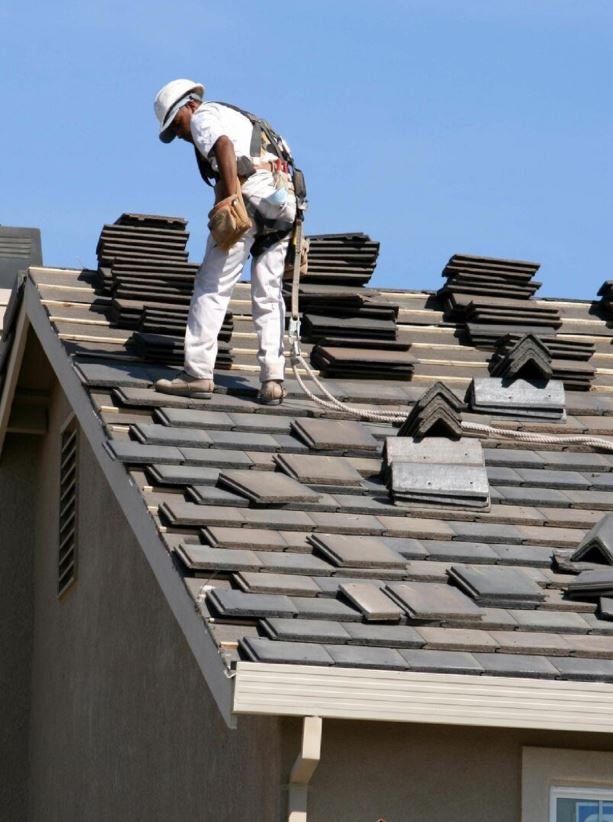
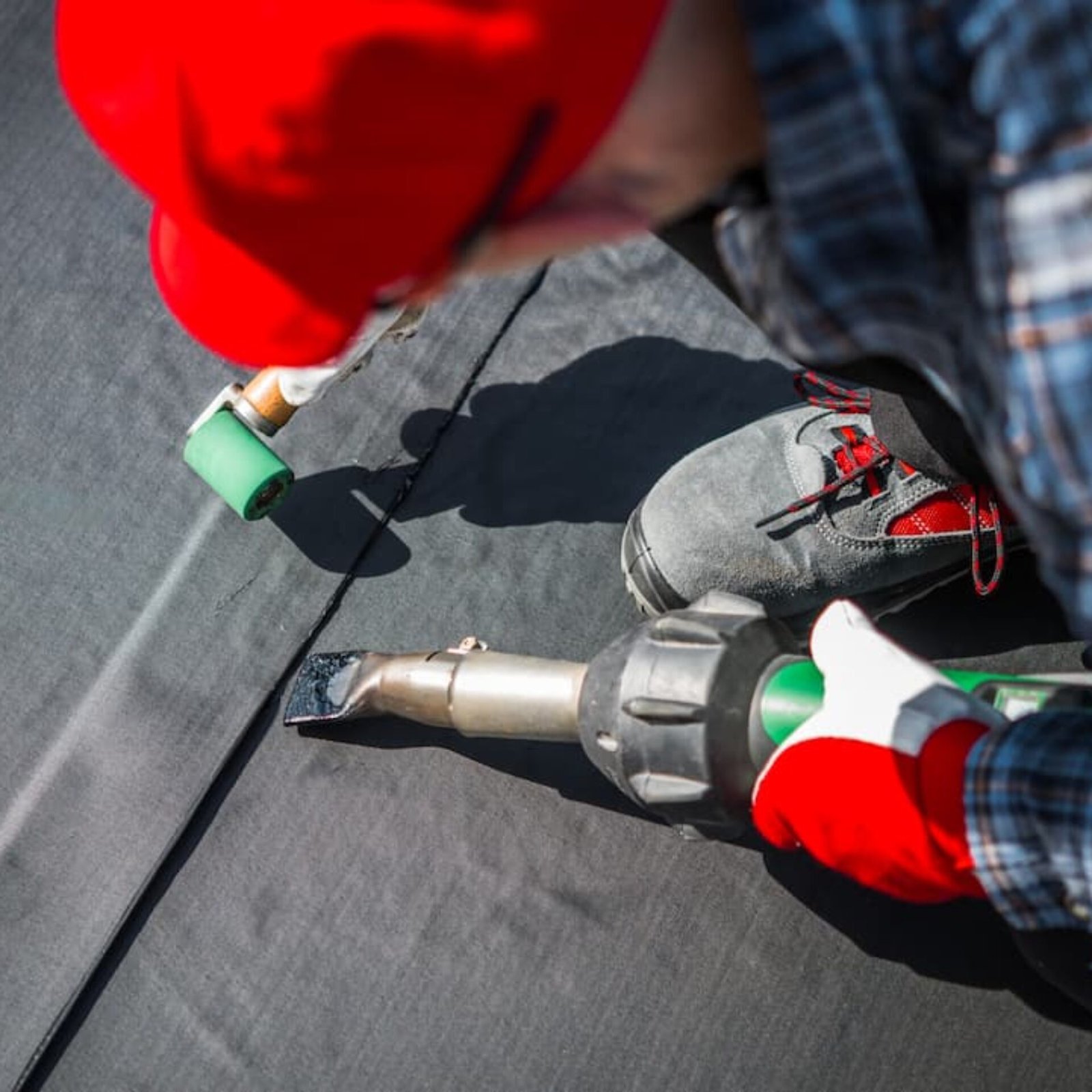
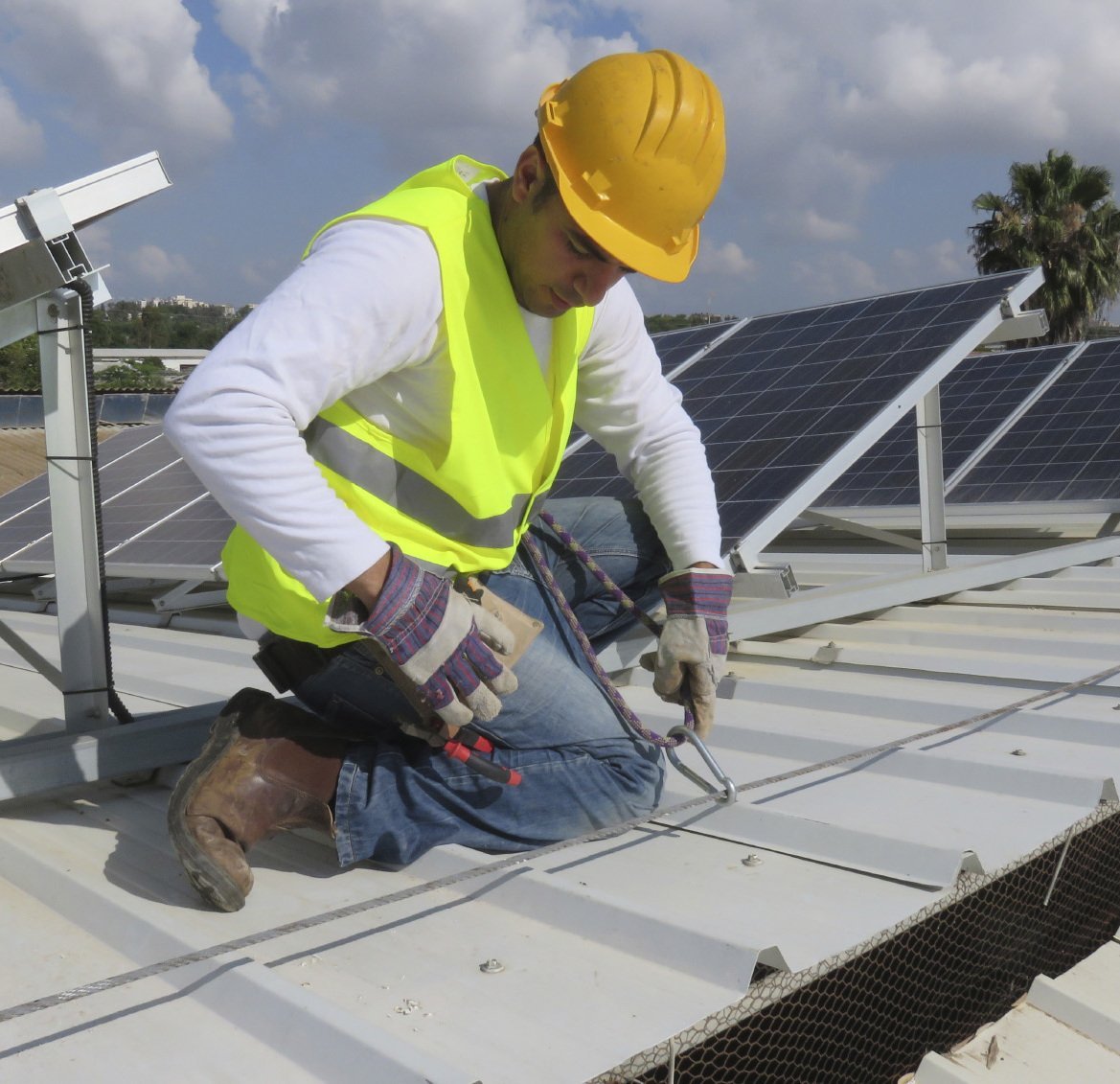
A residential roof inspection starts on the roof, where a trained eye reads the surface the way most homeowners cannot. We check every slope for lifted, cracked, curling, or missing shingles, and for granule loss that indicates a roof is aging, even where nothing has failed yet.
Flashing gets close attention during a residential roof inspection because joints can allow water entry even when nearby shingles look intact. At chimneys, vents, and valleys, we examine accessible connections for corrosion, lifting metal, and split sealant, helping identify likely leak paths rather than relying on appearance alone.

Trace the Leak to Its Source
When there is an actual leak to find, we trace it rather than guess. Water travels, so the wet ceiling is rarely below the entry point; it can be meters away along a rafter. We work backward from the stain, using the roof geometry and the attic to follow the path to where water is truly getting in.
For hidden moisture, we use an infrared camera to look for temperature differences that may indicate damp areas. Thermal patterns support roof leak detection but do not prove moisture on their own. We assess them alongside visible conditions and the leak’s likely path before drawing conclusions about the source.
Check the Attic and Ceilings
Part of a roof’s story is told from inside, so we inspect the attic where safely accessible. We look for water staining on the underside of the deck, damp or compressed insulation, mould, and daylight through gaps, which signal a breach. Each points to something different, and reading them right separates diagnosis from guesswork.
The attic is also where we judge ventilation, because so many home roof problems are ventilation faults in disguise. Blocked soffit vents let the attic run warm and humid, driving ice damming and condensation. Checking here saves paying for roofing that would never fix the cause.
Written Report With Photos
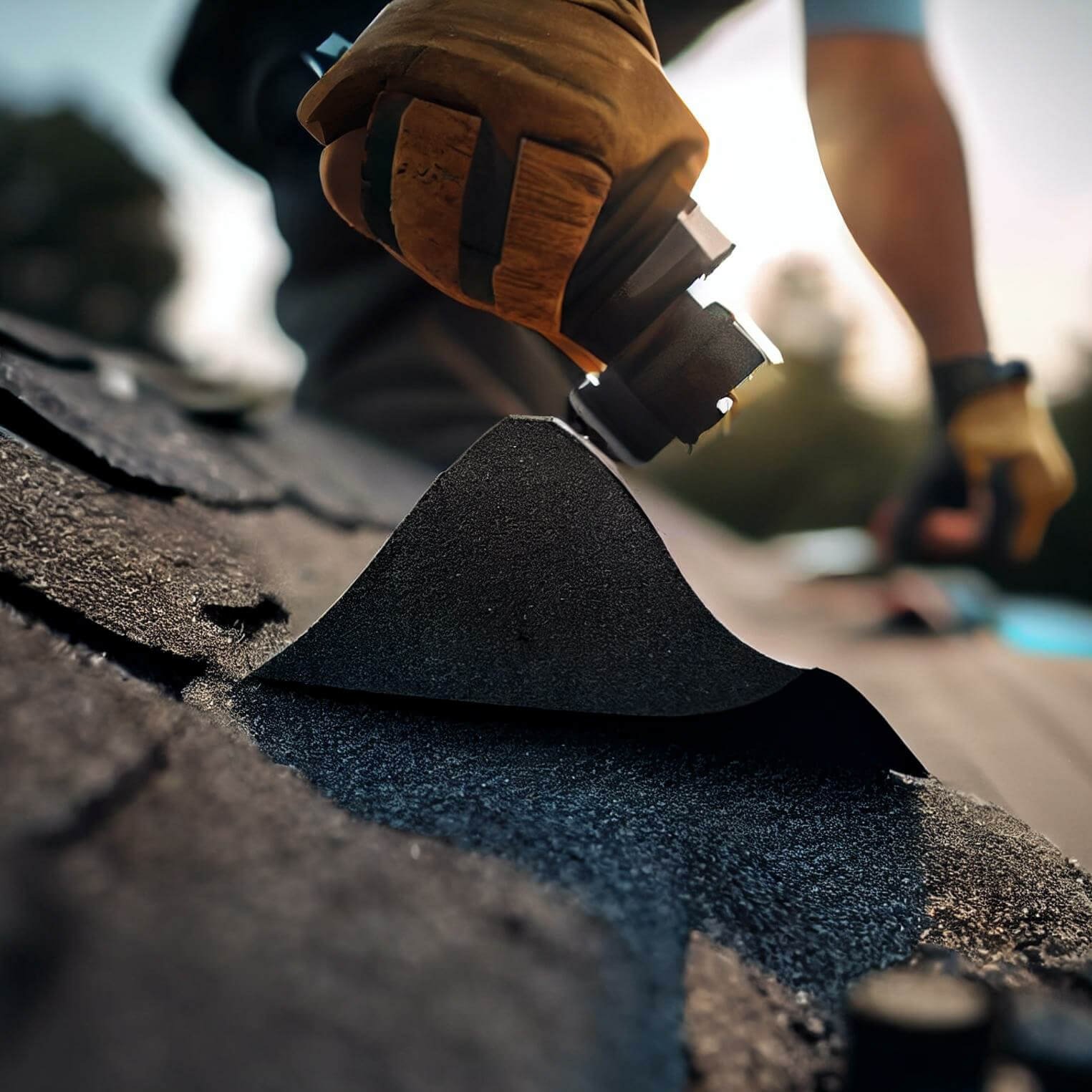
Every inspection ends with a written report you can use, not a verbal summary you half remember. It sets out what we found on each slope, in the attic, and at every flashing, with dated photographs of anything that matters and a condition-based estimate of the roof’s remaining service life.
Where applicable, the report is built to support an insurance claim: it is dated, photographed, and clear about whether the damage is storm-related or wear-related. If a roof insurance claim is on the table, that distinction is often the whole argument, and documenting it before the adjuster attends puts you in a stronger position.
Have a new roofing project?
Common Problems a Home Roof Inspection Finds
Flashing and sealant failures are the leaks we find most, by a wide margin. Water rarely comes through the field of a shingle; it comes through the joints, where metal meets a chimney, a wall, a vent pipe, or a valley. Over years, the sealant splits and the metal works loose or corrodes, and the gap that opens is one a driving rain finds instantly. These faults can hide from the ground and may be missed without checking each joint. Residential roof leak detection examines flashing, sealant, and surrounding roof materials together, so a visible ceiling stain is traced toward a likely source rather than automatically blamed on the shingles.
Hail and wind damage can go unnoticed by homeowners after a storm. A hailstorm can strip the protective granules from a roof while leaving it looking perfectly fine from the driveway, and wind can lift and crack shingles along an edge without removing them outright. Both forms of damage age a roof quietly and then fail it years later, well after the storm that caused them is forgotten. We inspect specifically for bruising, granule loss, and lifted courses after any significant weather event, recording the evidence while it is still fresh enough to support a claim.
Ice dam damage is the Alberta winter signature, and it hides its harm until spring. A warm attic thaws the snowpack from below, the water tracks toward the frozen eaves, and a dam of ice builds there, levering the lower shingle courses upward and letting water in behind them. Once the thaw clears the ice, the evidence sits buried in the underlayment and sheathing until the first warm rain finds the weakened path. We hunt specifically for the tell-tale eave staining and the courses ice has lifted, since the fault seldom shows itself any other way.
Ventilation, air leakage and insulation issues can contribute to roof and attic moisture problems. A warm, humid attic may reflect blocked vents or indoor air leakage; ice damming and attic rain require assessing these factors together. Homeowners almost always read the resulting drips as a roof leak and reach for a roofing repair that cannot possibly fix a ventilation problem. We assess the whole system, intake and exhaust together, so that when we tell you the roof is sound and the real issue is airflow, you are not paying to replace shingles that were never the problem.
What Makes Our Roof Inspections Worth Booking
A roof inspection is worth only as much as the person reading the roof and the honesty of what they report afterward. Markit Roofing inspects to find out what is actually going on, not to manufacture a reason to sell you a new roof. Across Calgary and Edmonton, that means a real diagnosis, a written report, and a condition-based estimate of your roof’s remaining service life.
Infrared Helps Locate Moisture
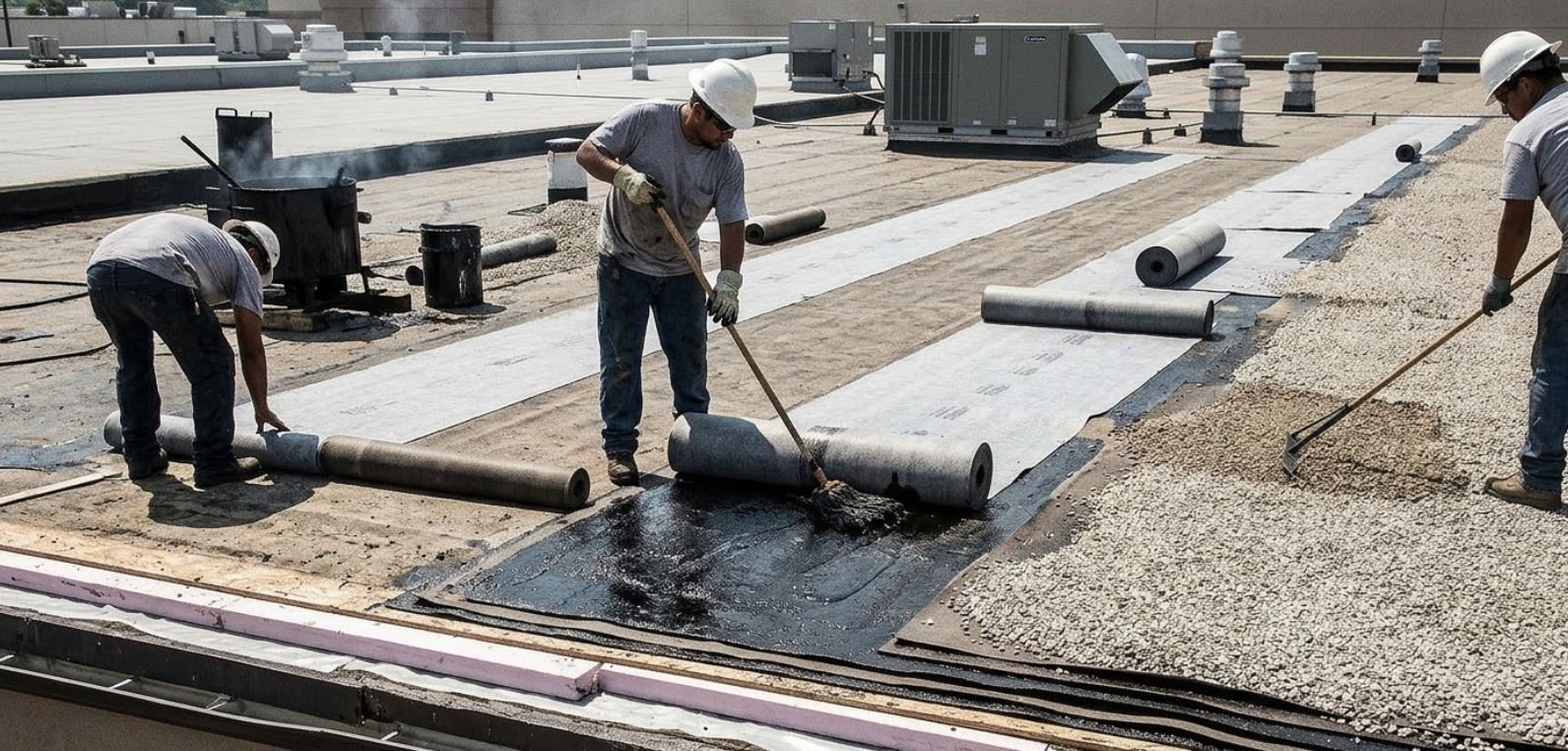
Some roof problems are hidden from view and need more than a surface check. We use an infrared thermal camera to look for temperature patterns that may indicate moisture beneath the roof surface. These patterns help guide further assessment; they do not establish a leak by themselves. Considering them alongside visible roof conditions and indoor signs supports a more informed residential roof inspection.
We Inspect Inside and Out
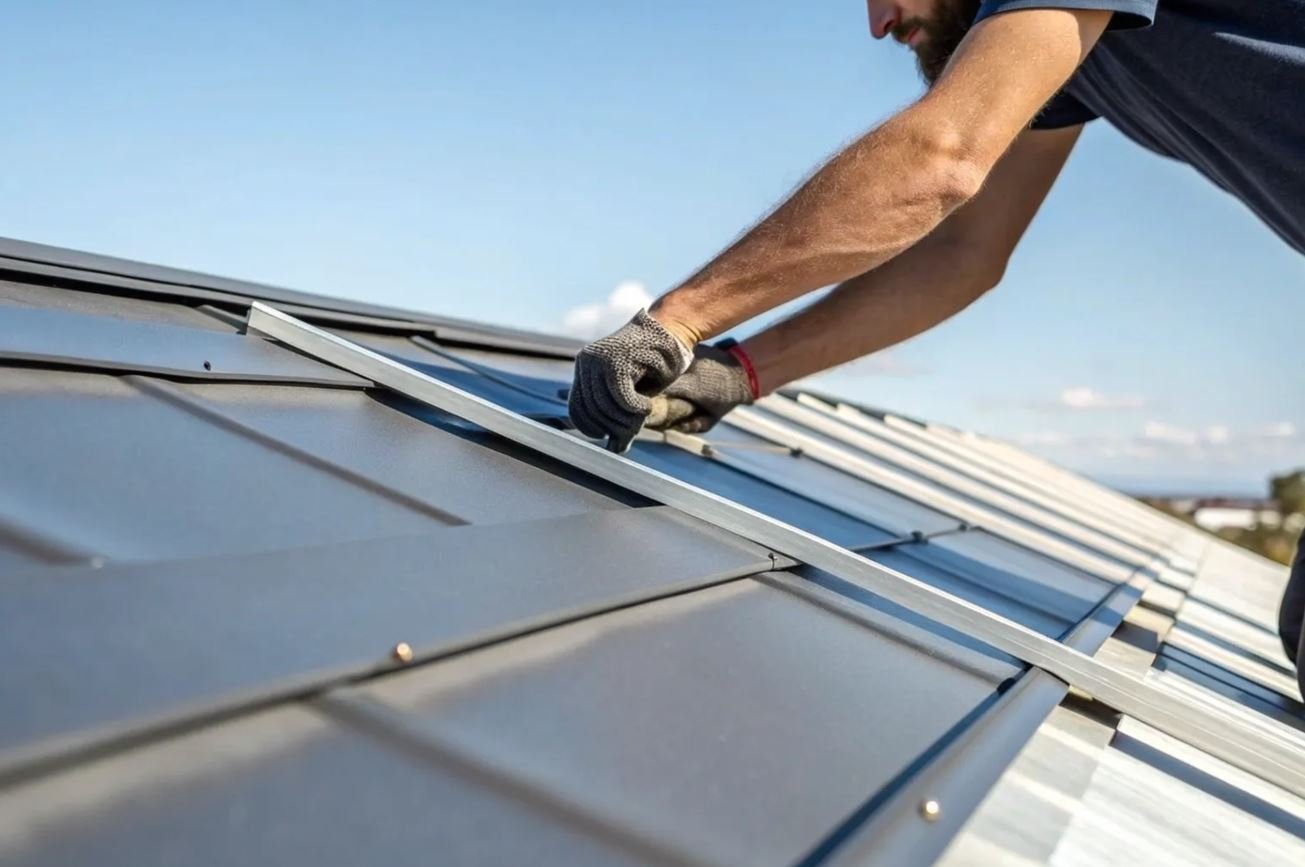
A roof cannot be judged by its surface alone, so accessible indoor areas also matter. The attic can show what shingles hide: staining on the deck, damp insulation, mould, and ventilation concerns. Reading these signs alongside the exterior condition helps distinguish possible leak paths from condensation or airflow issues. Access and site conditions determine which areas can be inspected.
Reports That Support a Claim
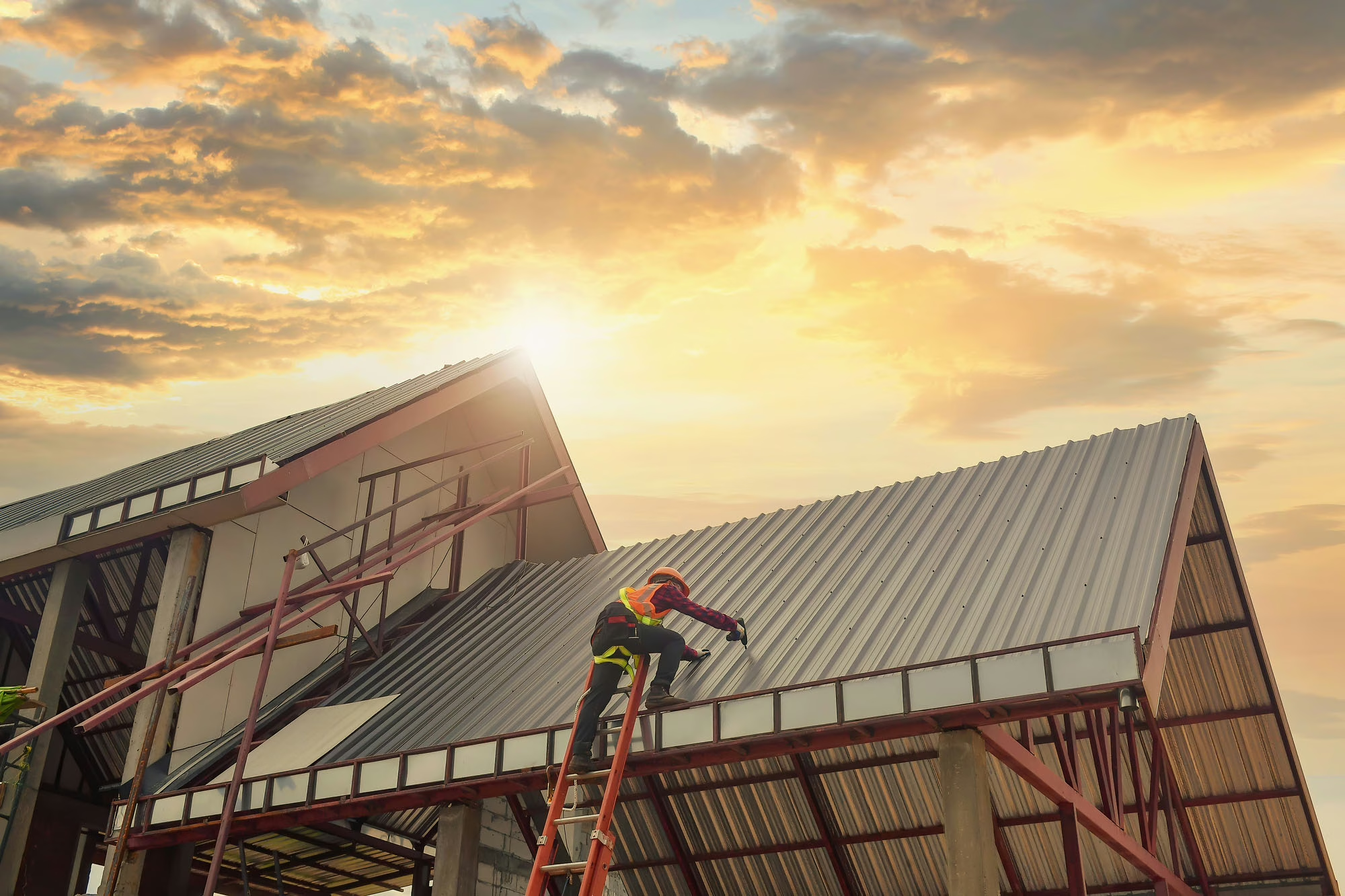
When storm damage is involved, our report records the visible findings with dates and photographs. It describes signs of weather damage and ordinary wear to help explain the roof’s condition. This documentation can support a homeowner’s roof insurance claim, but coverage and payment depend on the policy and the insurer’s assessment. An inspection report does not guarantee a claim will be accepted.
Honest, No-Upsell Findings
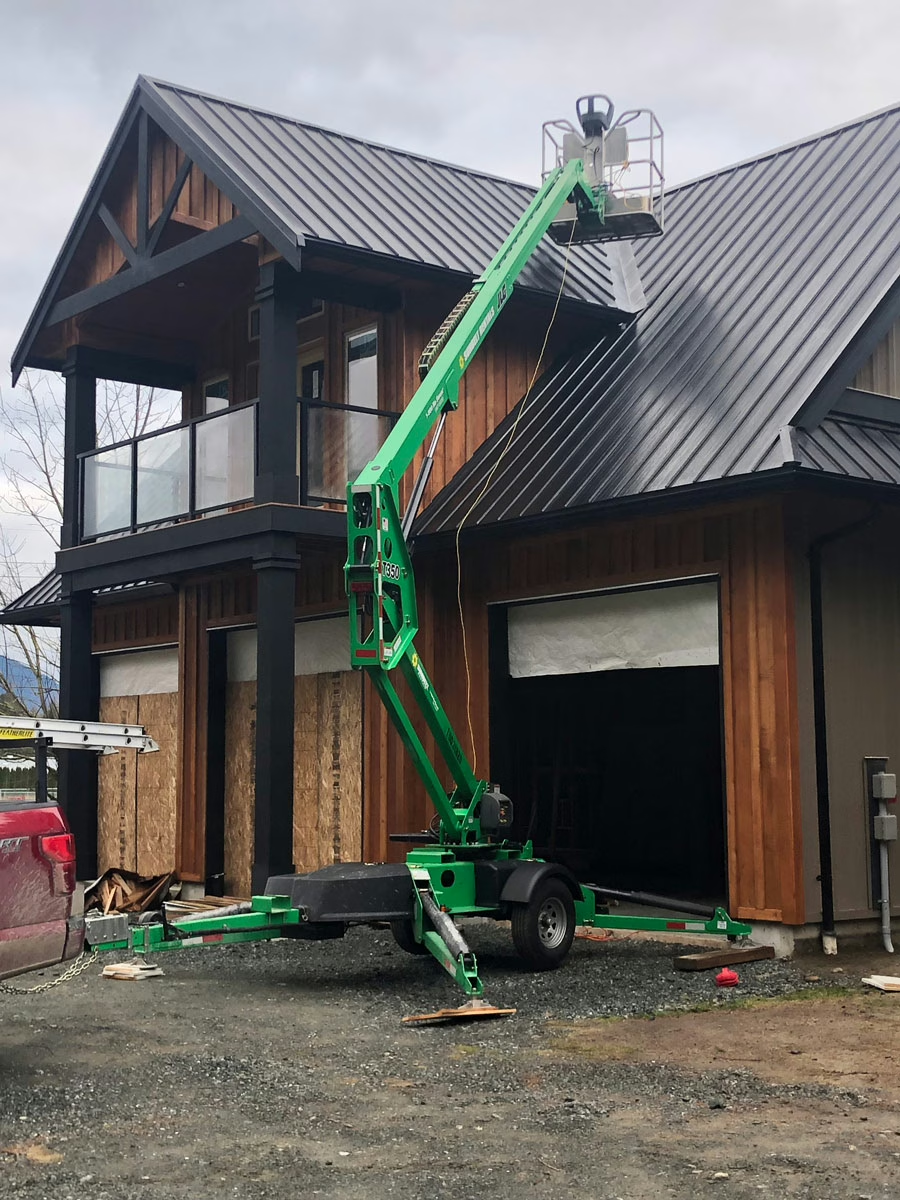
A residential roof inspection should tell you the truth about your roof, including when it is fine. We are just as willing to estimate a roof may have years of service left, and to set up roof maintenance to protect it, as to flag one that needs work, because our value to you is an accurate picture, not a sale. That is why homeowners call us for a second opinion when another contractor has told them they need a full replacement.
Perfect Before You Buy a Home
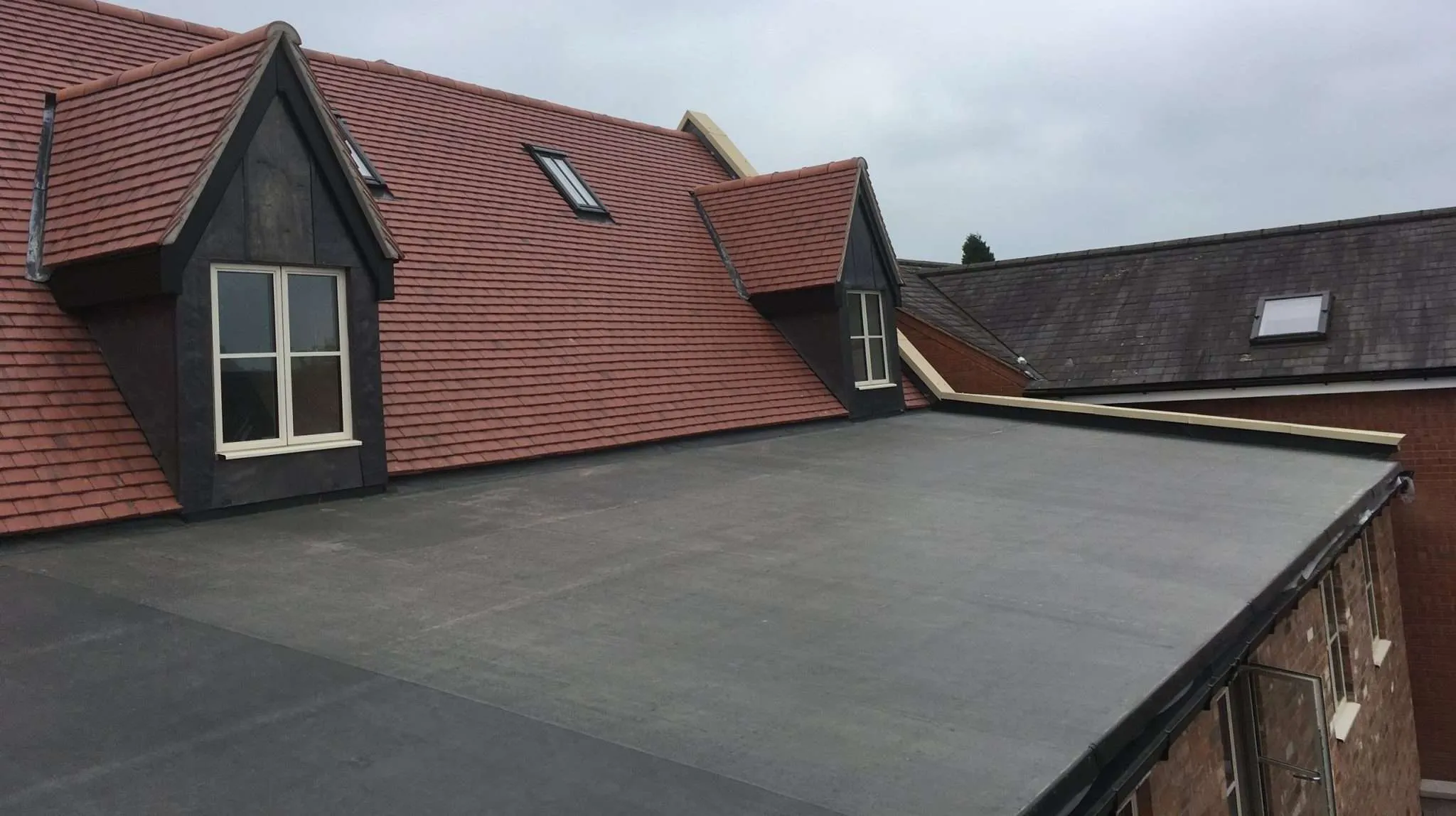
Buying a home is exactly when a roof inspection earns its keep, because the roof is one of the biggest unknowns in the whole purchase. We give buyers a clear read on the roof’s condition, and an estimated remaining service life before they commit, so a tired roof becomes a known factor in the negotiation rather than an unwelcome surprise in the first winter after the keys change hands.