Modified Bitumen
(Mod Bit Roofing) System

Protect your property with the Mod Bit Roofing System, designed for flat and low-slope roofs that need strong waterproofing, flexibility, and durability. Our skilled team ensures clean installation, leak resistance, and long-lasting protection against heat, rain, and daily exposure.
Markit Roofing
Markit Roofing

Protect your flat or low-slope roof with a Mod-Bit Roofing System built for strong waterproofing, flexibility, and lasting durability. Expert installation seals every seam and edge, so your building stands up to Alberta heat, rain, snow, and constant daily exposure.

At Markit Roofing, we provide professional Mod-Bit Roofing System solutions for commercial, industrial, and residential buildings that need tough, weather-resistant protection on flat and low-slope surfaces. Modified bitumen is an asphalt membrane reinforced with polymer modifiers and a fiberglass or polyester mat, giving it the strength to withstand thermal movement, foot traffic, and harsh prairie weather without cracking or splitting.

Our certified crews install, repair, and maintain every Mod-Bit roof with quality materials and careful detailing around seams, drains, and flashing. From the first consultation through the final walkthrough, we focus on clean workmanship and dependable, long-term results that lower repair costs and keep your property dry through every changing Alberta season.
What is a Mod Bit Roofing System?

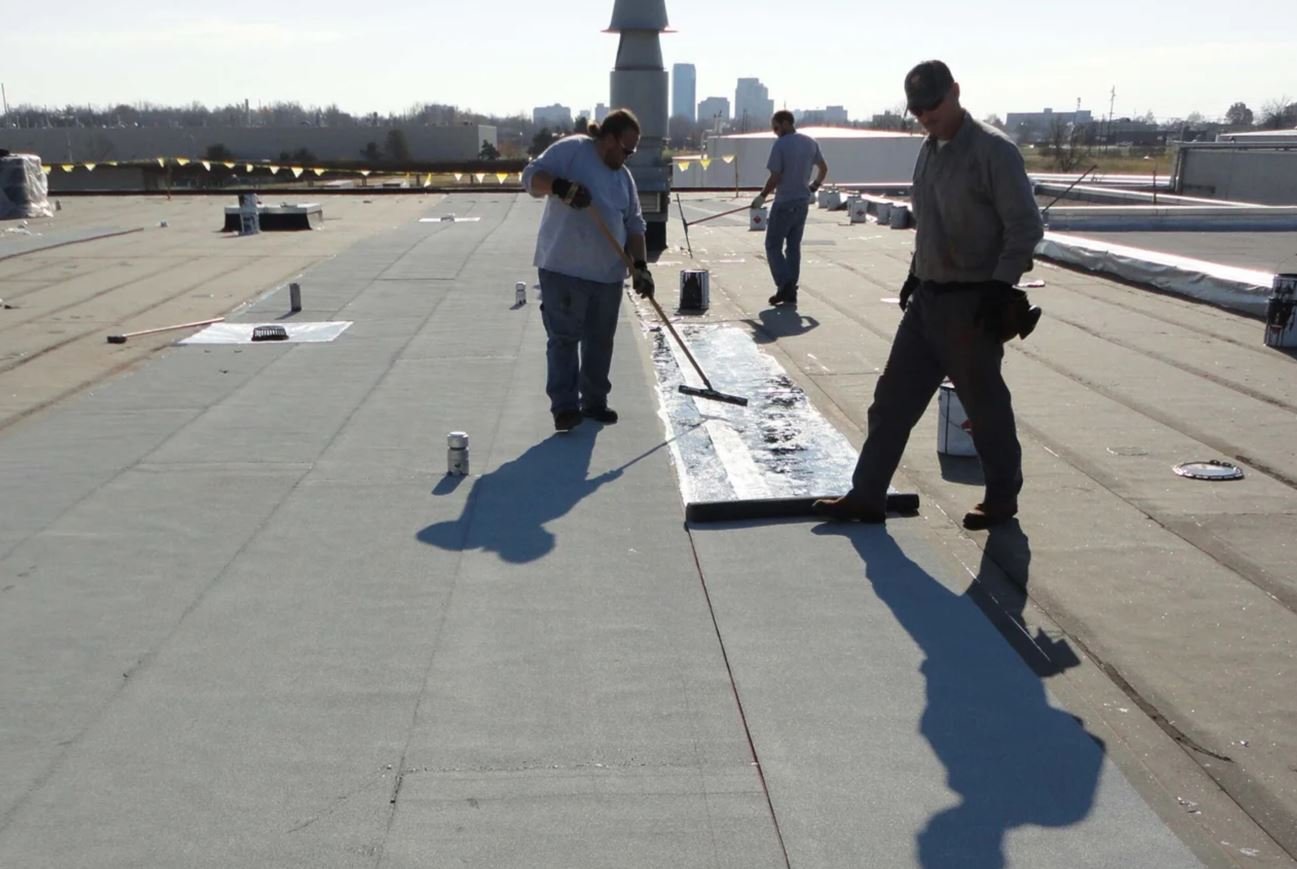
A Mod-Bit Roofing System, short for modified bitumen, is an asphalt-based membrane strengthened with polymer modifiers such as APP or SBS. The asphalt is reinforced with a fiberglass or polyester mat and applied in overlapping layers on flat and low-slope roofs using heat, cold adhesive, hot asphalt, or self-adhered sheets. Once installed, the finished surface forms a tough, watertight barrier that resists leaks, ponding, temperature swings, and general weather damage. For commercial and industrial buildings across Calgary and Edmonton, it delivers a proven roofing option that performs reliably for many years of demanding service and seasonal changes.
A Mod Bit roofing system, also called modified bitumen roofing, is an asphalt membrane roof improved with polymer modifiers for added strength and flexibility. It is commonly installed on flat and low-slope roofs using heat, adhesive, or self-adhered sheets. The system creates a protective surface that helps resist leaks, weather damage, and temperature movement for years in demanding conditions.
Property owners choose modified bitumen because it balances toughness with flexibility, two qualities that matter on low-slope roofs exposed to wind, snow load, and constant sun. Its multi-ply construction adds valuable redundancy at the weakest points of any roof, including seams, flashing, curbs, and drains. When damage does occur, individual areas can usually be repaired without tearing off the entire system, which keeps maintenance affordable. That reparability, combined with strong weather resistance and a long service life, makes Mod-Bit a practical, cost-effective investment for owners who want reliable protection on flat commercial properties.

Types of Mod Bit Roofing System

Mod-Bit roofing comes in several types, differentiated mainly by the polymer used and the method of application. APP membranes are valued for heat resistance and a tough surface, while SBS membranes flex well as temperatures rise and fall. Application can be torch-down, cold adhesive, hot asphalt, or peel-and-stick, and the best fit depends on roof design, fire safety, insulation, and budget.
Each option suits a different situation. Torch-applied systems create a strong, fully bonded membrane but need trained installers and strict fire precautions, while cold-applied and self-adhered sheets reduce open-flame risk on occupied buildings. APP and SBS behave differently under heat and cold, so the right grade and method should be confirmed by a trained roofer after a proper roof inspection.

Our Process

Roof Inspection and Planning
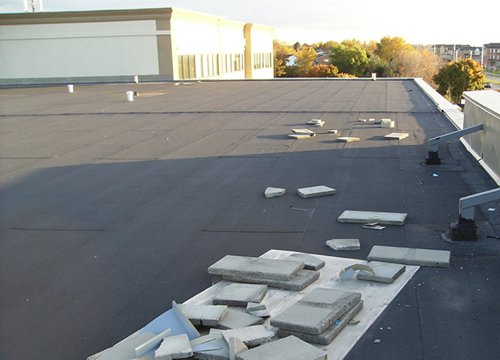
Every Mod-Bit project starts with a thorough inspection of your existing roof. We assess the slope, drainage, deck condition, insulation, flashing, and penetrations, and we look closely for ponding water, blisters, cracks, soft spots, and failing seams that could undermine a new membrane. This gives us a clear, honest picture of what the roof actually needs before any materials are ordered.
 
From there, we recommend the right modified bitumen grade and application method for your building, along with a realistic plan and timeline. Matching the system to the roof from the very start helps prevent surprises during the work and supports a stronger, safer, and longer-lasting result for years to come.

Surface Preparation

Good preparation is what makes a modified bitumen roof bond and last. Before any membrane goes down, we clear debris, clean the surface, repair damaged decking, and dry out wet areas so the new system has a stable, sound base. Where needed, we improve insulation and correct low spots that could trap water, because poor drainage quietly shortens the life of any flat roof.
 
We also detail the trouble spots first, including drains, curbs, vents, and roof edges, so the membrane ties into them cleanly. Careful preparation protects the waterproofing and gives the finished Mod-Bit system its full service life across many demanding Alberta seasons.
EPDM Roofing System

Mod-Bit Membrane Installation and Review

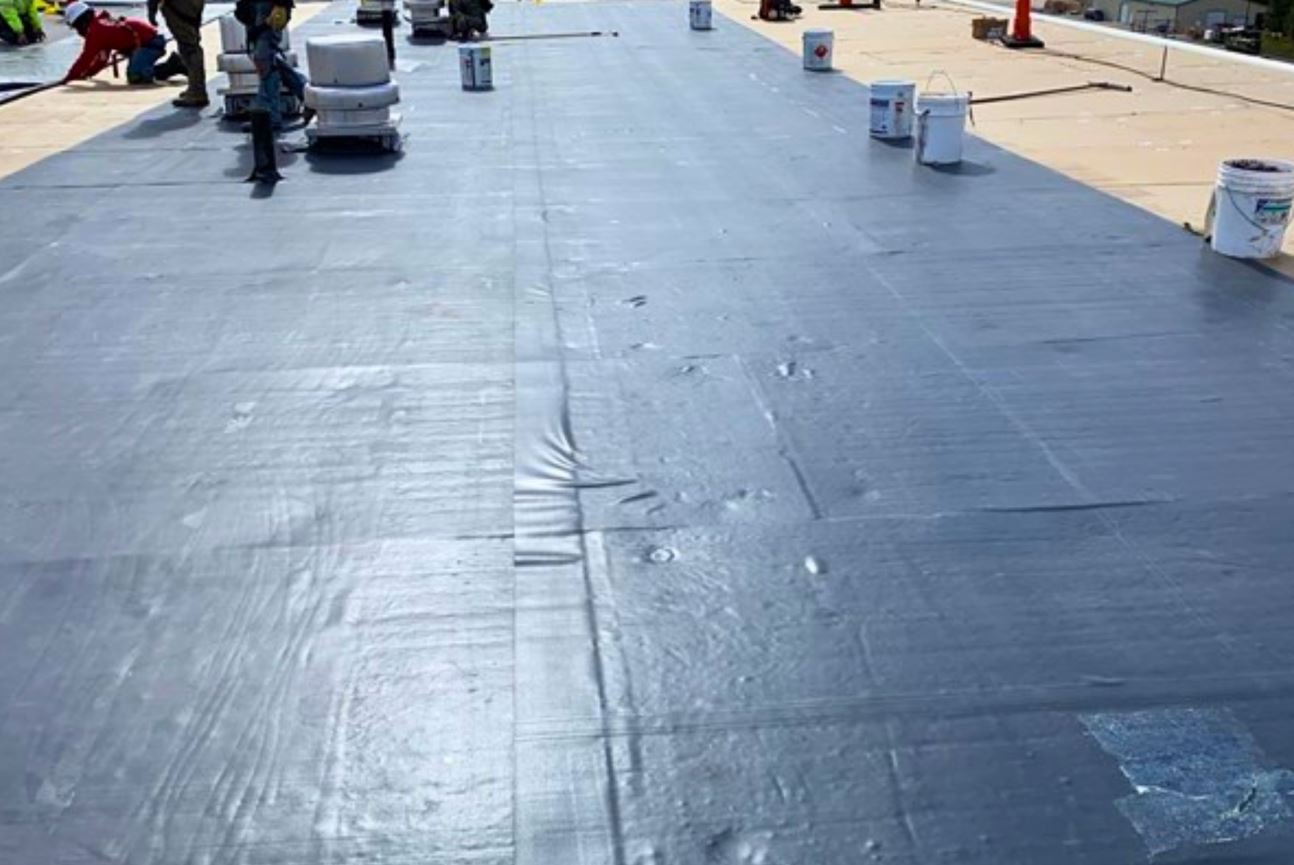
With the deck ready, we install the modified bitumen membrane using the method chosen for your roof, whether that is torch-applied, cold adhesive, hot asphalt, or self-adhered sheets. Base and cap sheets are lapped and sealed so the layers bond into a single, continuous, watertight surface, with extra attention paid to seams, flashing, drains, and penetrations, where most leaks begin.
 
Once the membrane is down, we complete a careful final review, checking for proper laps, sealed edges, and any wrinkles or weak bonds that need correction. We then walk you through simple maintenance steps so your new Mod-Bit roof continues to perform reliably for many years to come.

Have a new roofing project?

What can you expect from Markit Roofing?

At Markit Roofing, you get a certified crew that installs modified bitumen the right way, with quality materials and proven application methods from your first consultation through to the final walkthrough. We keep communication clear, schedule around your operations, protect your property during the work, and stand firmly behind every roof we complete.

Durable

Multi-ply construction and polymer reinforcement give Mod-Bit strong resistance to punctures, foot traffic, and the thermal cycling common across Alberta. Well installed and maintained, a modified bitumen roof commonly delivers 20 years or more of reliable protection.

Safe

We install to strict safety standards, and on occupied buildings we can use cold-adhesive or self-adhered systems that avoid open flame and fumes. Sealed seams and reinforced layers also help the roof resist wind uplift and impact damage.

Dependable

Backed by certified crews, quality membranes, and solid warranties, every Mod-Bit roof is detailed for long-term, leak-free performance. Scheduled inspections and simple upkeep keep that protection dependable season after season.

Frequently Asked Questions

With quality installation and routine maintenance, a Mod-Bit roof typically lasts 20 years or more, though service life varies with climate, the number of plies, and how well the roof is cared for.

Modified bitumen uses polymer-enhanced asphalt sheets that are more flexible and faster to install, while built-up roofing relies on several alternating layers of asphalt and felt for redundancy, which is more labour intensive.

Often yes, if the current roof is sound and local code allows an overlay. We check the deck, moisture, and layer count during consultation before recommending an overlay or a full tear-off.

It depends on the site. Torch-down suits many low-slope commercial roofs, while cold-adhesive and self-adhered systems are preferred on occupied or fire-sensitive buildings where open flame is a concern.

It can be. Reflective granules or a cool-roof coating on the cap sheet reduce heat absorption, helping lower cooling costs and easing thermal stress on the membrane.

Book a Free Consultation