
Commercial Emergency Roof Repair
When a commercial roof fails without warning, every minute matters. Markit Roofing delivers rapid commercial emergency roof repair across Calgary and Edmonton, stabilising active leaks, storm breaches, and sudden membrane failures before they shut your building down. Our crews arrive fast and secure the roof.
We service every commercial roofing system, including TPO, EPDM, PVC, modified bitumen, and built-up roofs. From hail strikes to wind uplift and split seams, our certified team restores your building envelope and keeps operations running. Call now for 24/7 emergency response you can rely on across Alberta.
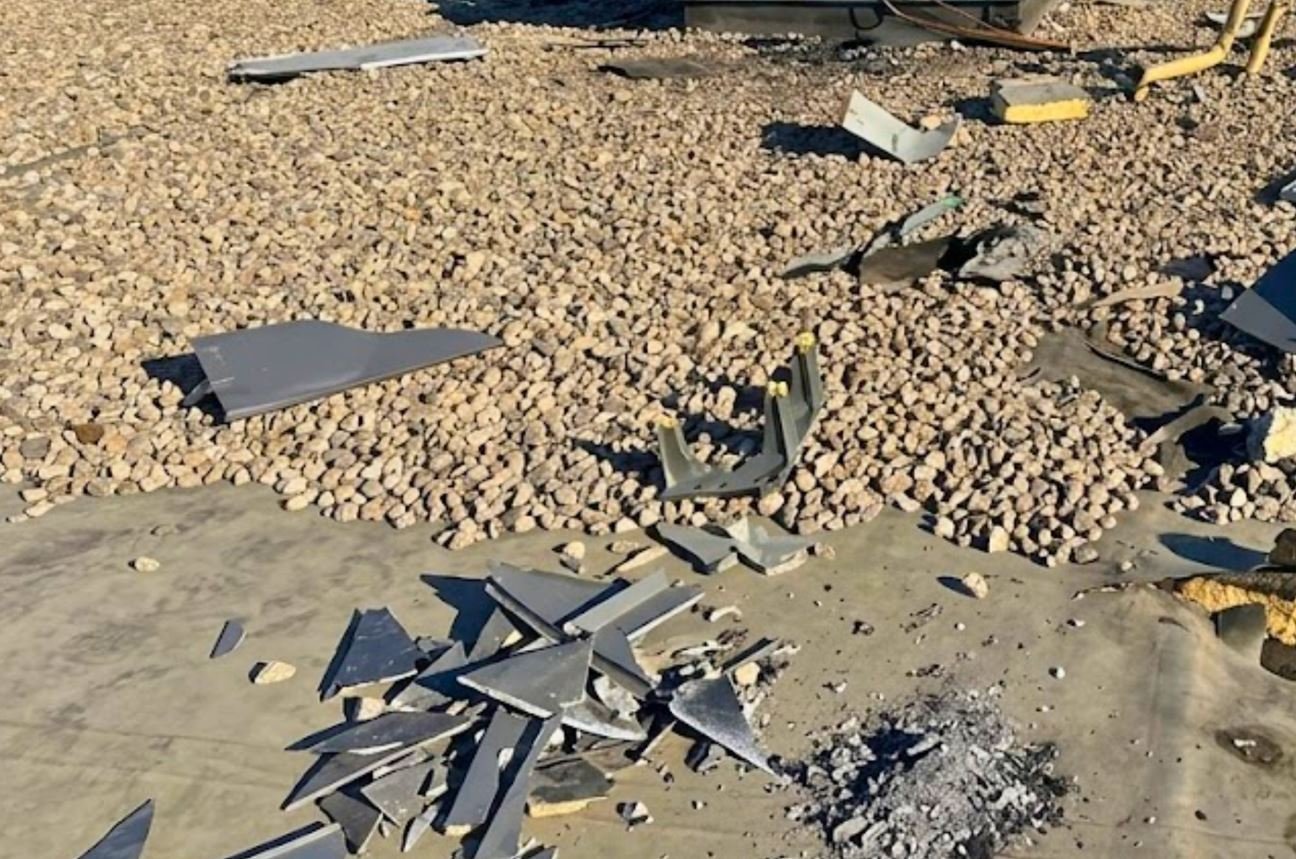
Fast Emergency Roof Response When Your Roof Fails
A commercial roof emergency rarely waits for business hours, and neither do we. Markit Roofing keeps crews on standby across Calgary and Edmonton, so an active leak or storm breach gets a professional response within hours, not days.
- Active roof leaks stopped fast
- Storm and hail damage repair
- Emergency membrane sealing work
- Wind uplift and flashing fixes
- 24/7 dispatch across Alberta
Our emergency workflow is built for speed and accuracy. We trace the true source of the intrusion, apply weather-rated temporary protection, and schedule the permanent repair without leaving your commercial roof exposed. Where the entry point is not obvious, we use infrared leak detection to find it rather than opening up the roof on a hunch.
Our Emergency Repair Process
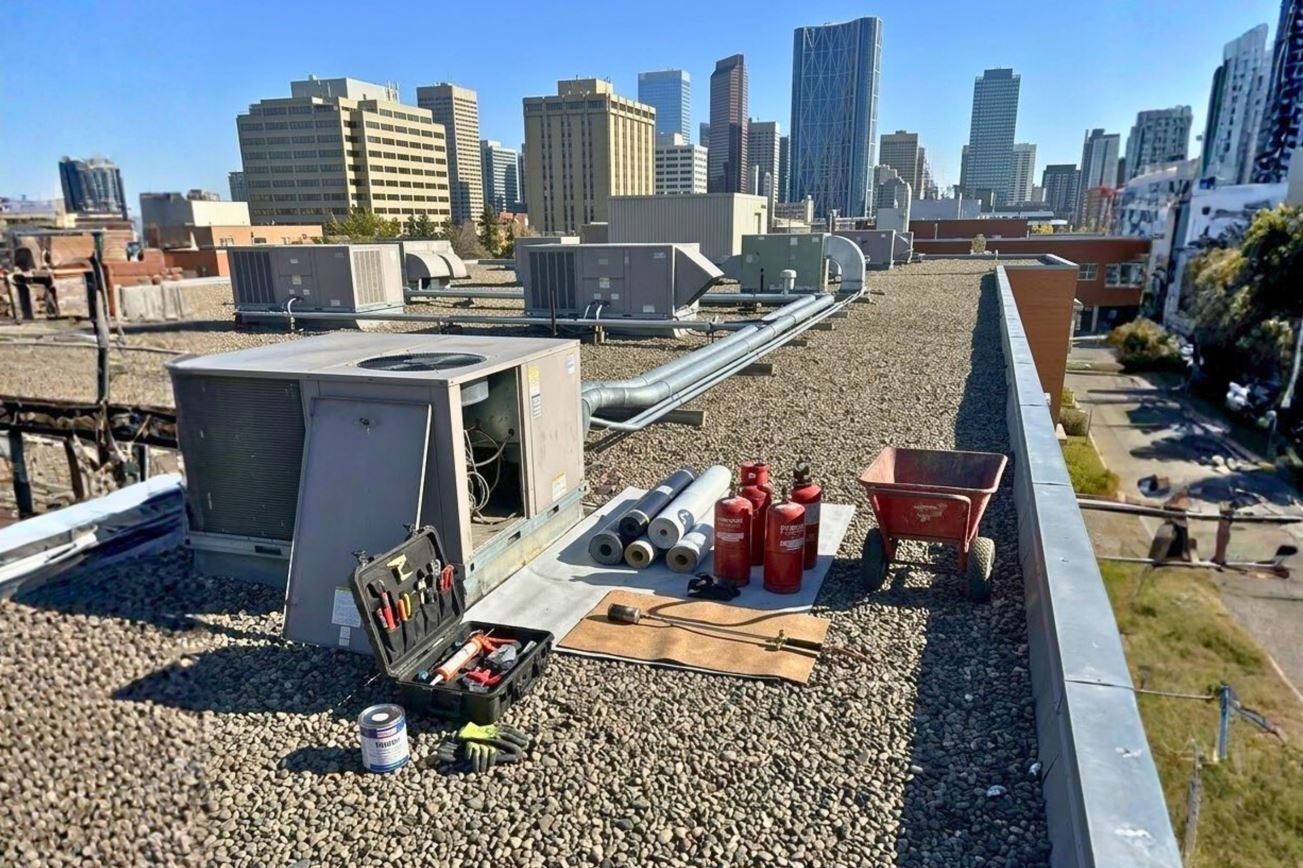
Rapid Roof Damage Assessment
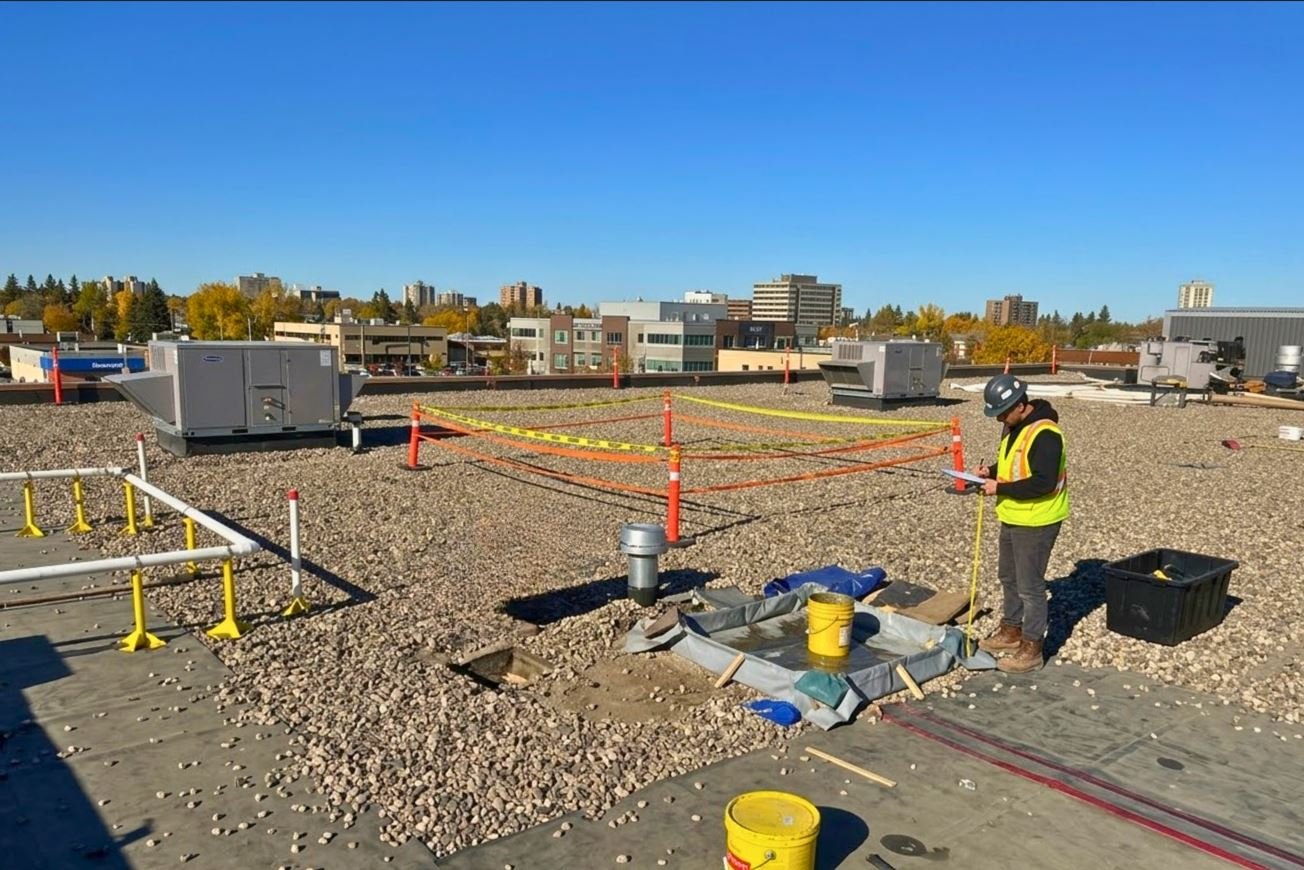
The moment our crew arrives, we walk the roof to locate the failure point and gauge how far water has travelled beneath the membrane. We inspect seams, flashings, drains, and penetrations, documenting each defect with clear photos for your insurance file and records.
We share every finding with you before any work begins, so you know exactly what your commercial roof needs. This transparency keeps property managers fully informed and supports fast, confident decisions during a stressful roof emergency on your building.
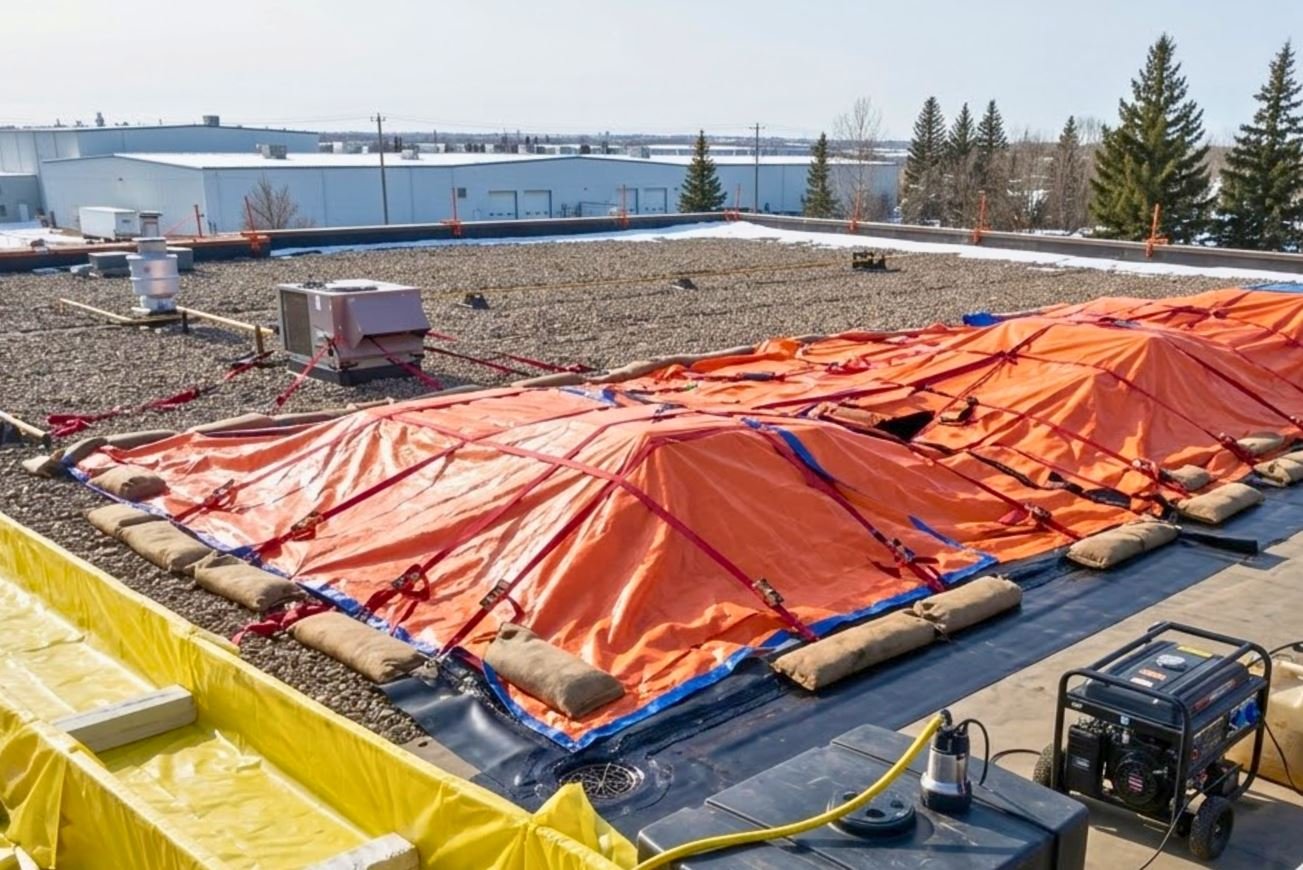
Immediate Leak Stabilization
With the source identified, we move quickly to stop water entering the building. Depending on the system, we apply emergency patches, seam sealant, or weather-rated tarping to create a watertight barrier that holds until permanent repairs are finished.
This step is never a shortcut, but it is not the repair either. Tarping and emergency sealant survive weeks, not seasons, and the permanent fix still has to follow. We use materials matched to your TPO, EPDM, or modified bitumen roof so the temporary work does not damage the membrane the permanent commercial emergency roof repair must bond to.
Permanent Roofing Repair Work
Once the roof is secured, we return to complete a lasting repair engineered for the conditions in Calgary and Edmonton. We remove damaged membrane, replace saturated insulation, rebuild flashings, and heat-weld or torch new material to the manufacturer specification your system requires.
Every repair restores the watertight integrity of your building envelope and blends into the surrounding roof field. Our artistry follows the standards that keep your existing warranty valid, and we test the finished area to confirm proper drainage before we leave.
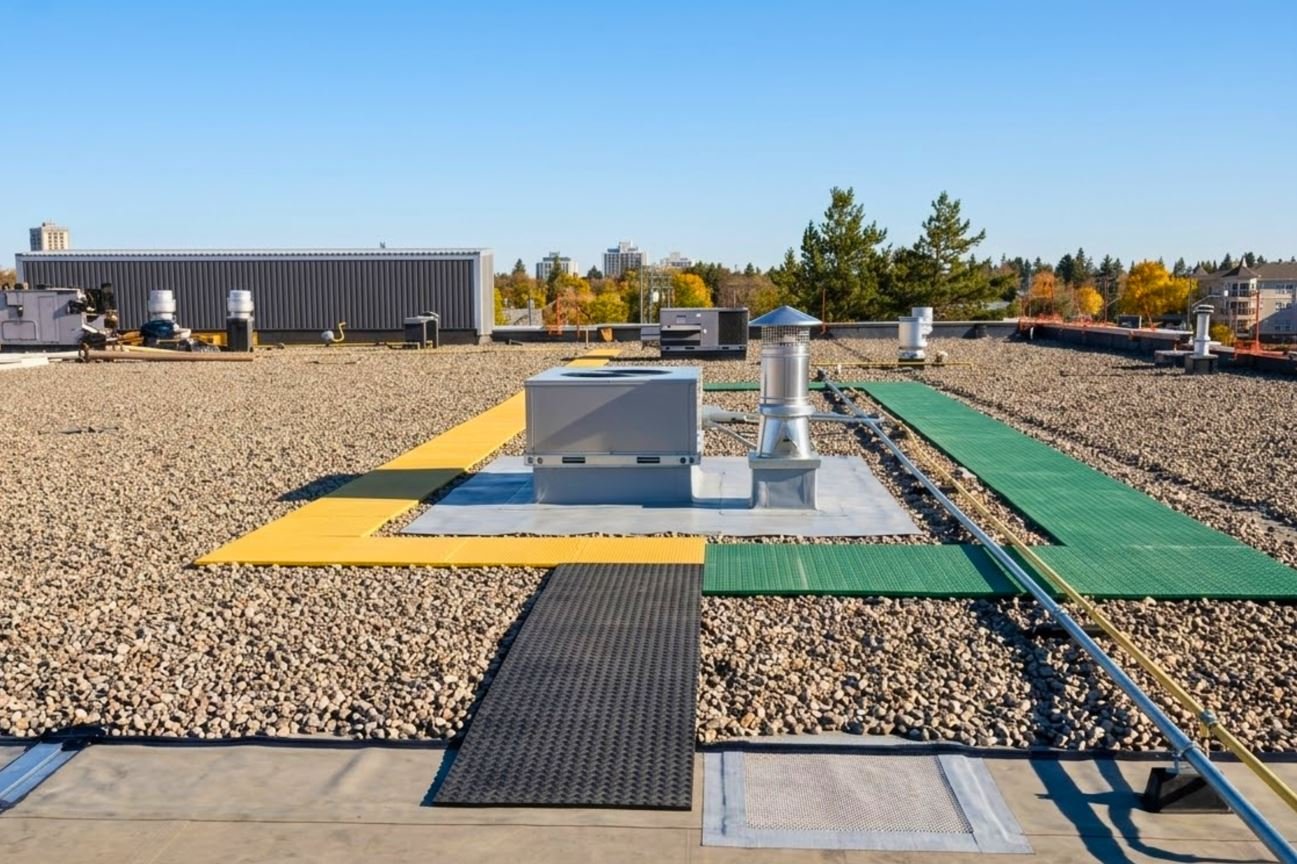
Final Quality Roof Inspection
Before we leave, our team conducts a detailed quality check throughout the repaired area and the surrounding roof surface. We verify seam welds, flashing adhesion, drain flow, and ponding points, confirming the entire commercial roofing system is sound and watertight again.
You receive a completion report with photos so your records stay audit-ready for the seven years most insurers expect. We also flag developing issues we spot, so you can move them onto a scheduled roof maintenance program before they become the next emergency.
Have a new roofing project?
Emergencies We Handle Across Calgary and Edmonton
Alberta hail can exceed 25 mm and arrives with enough force to bruise a membrane without breaking it, leaving damage that only shows up months later. Our crews respond fast to assess the impact damage, seal every breach, and restore full protection before melting hail and driven rain reach the interior of your building. We document the damage to support your roof insurance claim and repair the roof so it can withstand the next severe weather event that rolls across the prairies, protecting your Calgary or Edmonton commercial property through every future storm and hail season ahead.
A leak that appears indoors is often far from its true entry point on the roof above. We trace the water paths back to failed seams, cracked flashing, or clogged drains, then seal the actual source rather than the visible symptom below. Stopping the intrusion quickly protects ceilings, insulation, and expensive equipment inside your Calgary or Edmonton facility from lasting damage, and every emergency repair we make is precisely matched to your existing commercial roofing system for a durable, reliable, long-lasting result.
High winds lift edges, peel back membrane, and expose the roof deck to the elements in a single storm. Our team re-secures the loose sections, replaces torn TPO or EPDM, and rebuilds compromised edge details to restore full uplift resistance across the field. We work quickly to close the building envelope, preventing wind-driven rain and blowing snow from saturating the assembly beneath your commercial roof and causing far more costly structural damage across your Alberta property over the weeks and months that follow.
Alberta winters bring heavy snow loads, ice dams, and freeze-thaw cycles that severely stress flat commercial roofs. We safely clear hazards, address ponding and drainage failures, and repair splits caused by sharp thermal movement across the surface. Restoring proper flow and membrane integrity keeps meltwater moving off the roof rather than pooling and seeping into your building. Fast winter response protects your Calgary or Edmonton facility whenever snow and ice threaten the entire roofing system.
Why Businesses Choose Markit Roofing for Roof Emergencies
Markit Roofing brings certified crews, honest assessments, and genuine 24/7 availability to every commercial roof emergency across Calgary and Edmonton. We understand Alberta weather and the pressure a sudden roof failure puts on your business, so we respond quickly, protect your property, and communicate clearly at every stage from the first call through to the completion report.
Rapid Alberta-Wide Response
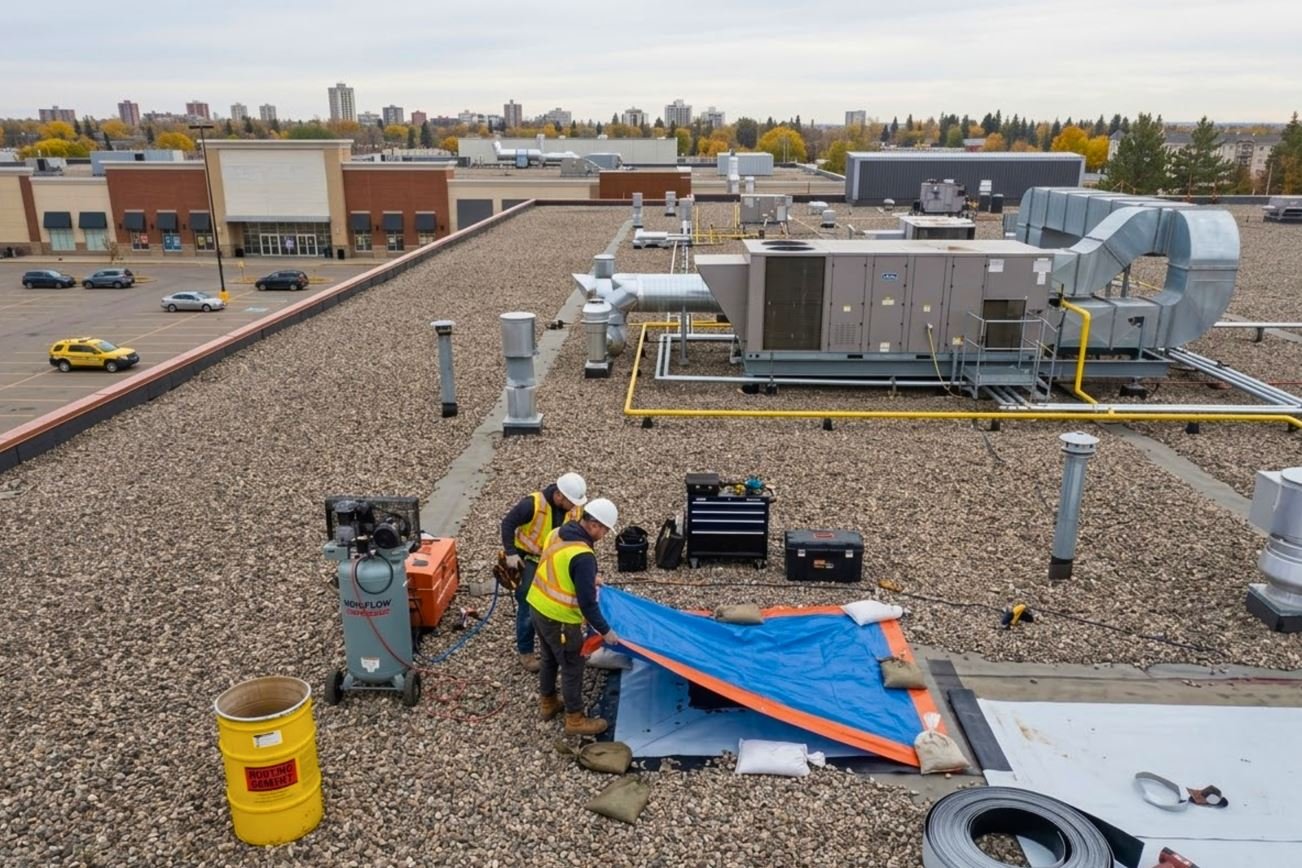
We keep emergency crews ready across Calgary and Edmonton, so help reaches your building quickly when a leak or storm breach threatens your operations. Fast arrival means less water damage, shorter downtime, and a smaller repair overall. When your commercial roof fails, our dispatch team moves immediately to protect your property, your tenants, and the people who depend on your building every day.
Every Commercial System Covered
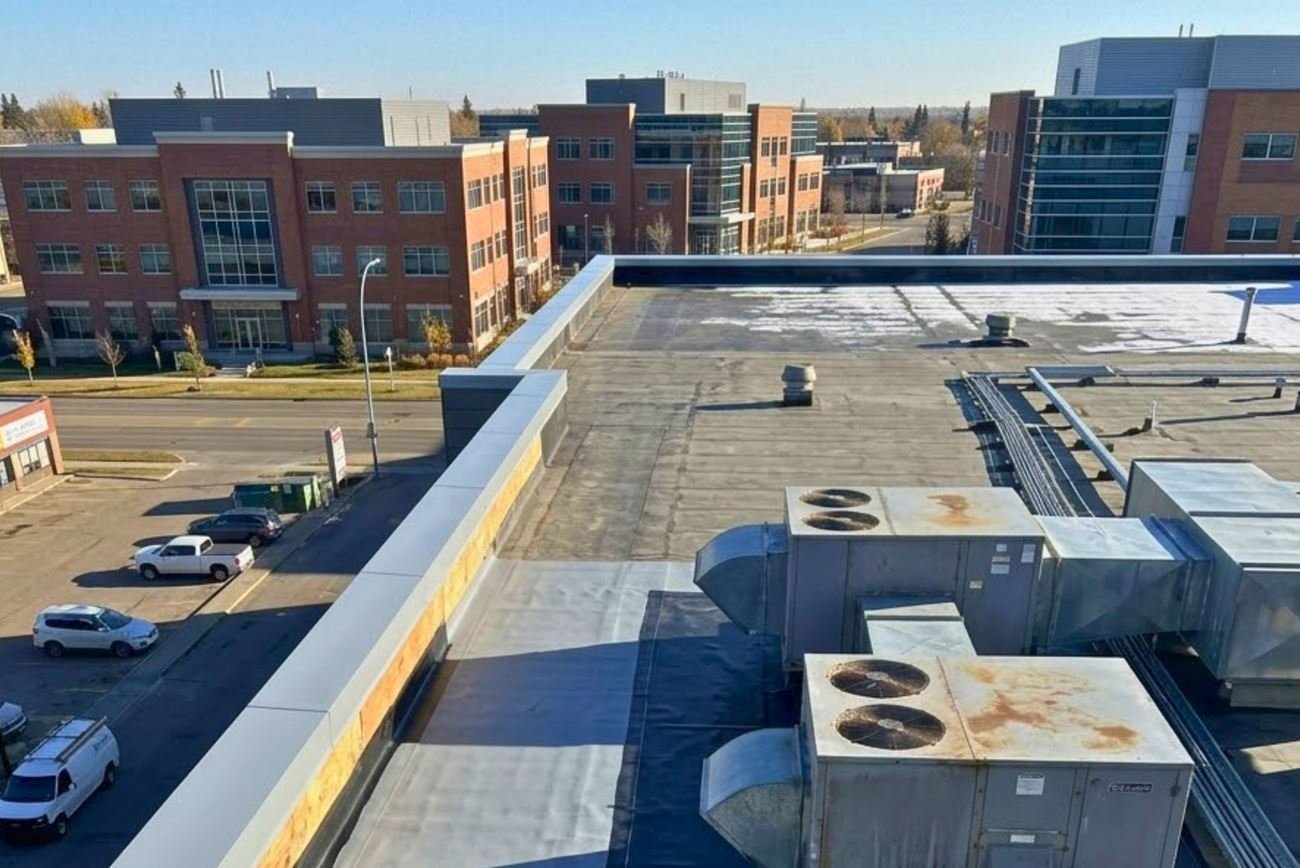
Our roofers handle all flat-roof assemblies found on buildings in Alberta, from TPO and EPDM to modified bitumen and built-up roofs. Each fails differently: single-ply opens at seams and fasteners, while built-up assemblies blister and split. Knowing which failure mode you face is what turns a guess into an accurate repair, done to the standard your 20- to 30-year warranty requires.
Insurance-Ready Documentation
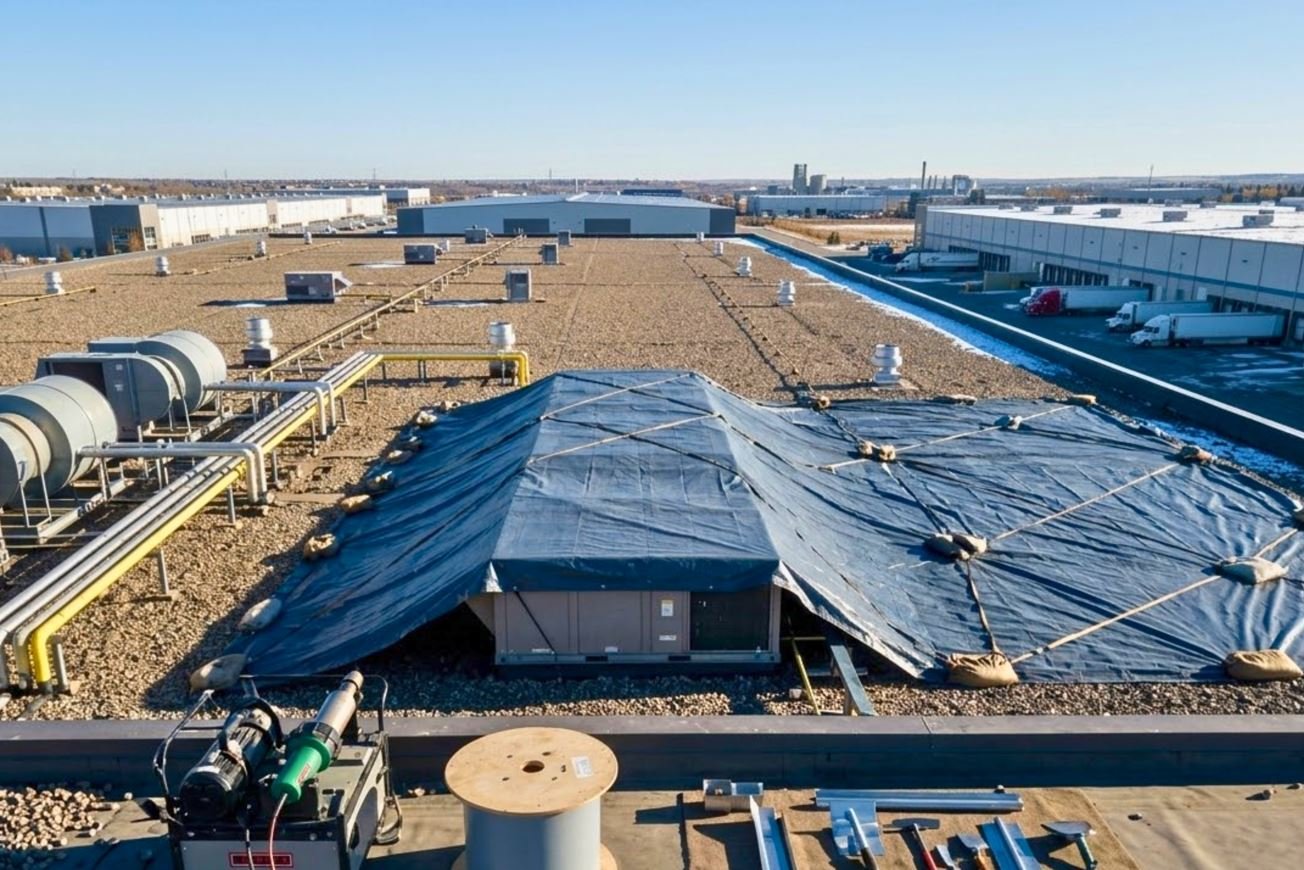
Storm and hail claims move faster when supported by clear, credible evidence. We photograph the damage, document the full scope, and provide detailed completion reports that directly support your insurance file. This documentation removes guesswork for adjusters and property managers, helping you recover more of your loss and get your commercial roof restored without unnecessary delays, disputes, or back-and-forth over the details.
Honest, Long-Lasting Repairs
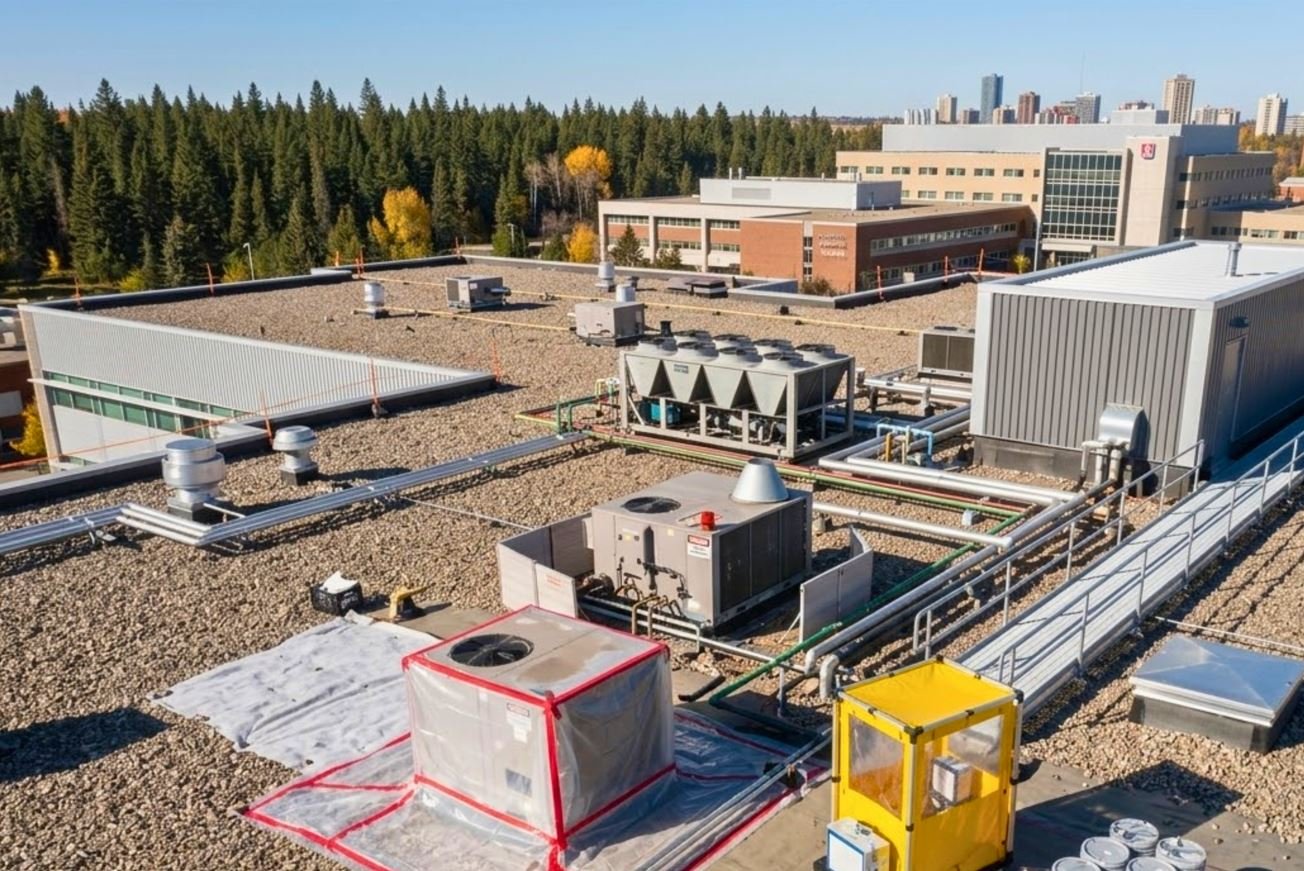
We fix the actual problem instead of masking it with a quick patch that fails again next storm. Every emergency repair is engineered for durability and matched to your existing roofing system and its specific demands. Our goal is a repair that genuinely lasts, protecting your building long after the crisis passes and earning your trust for the maintenance and roofing work your property needs next.
Clear Communication Throughout
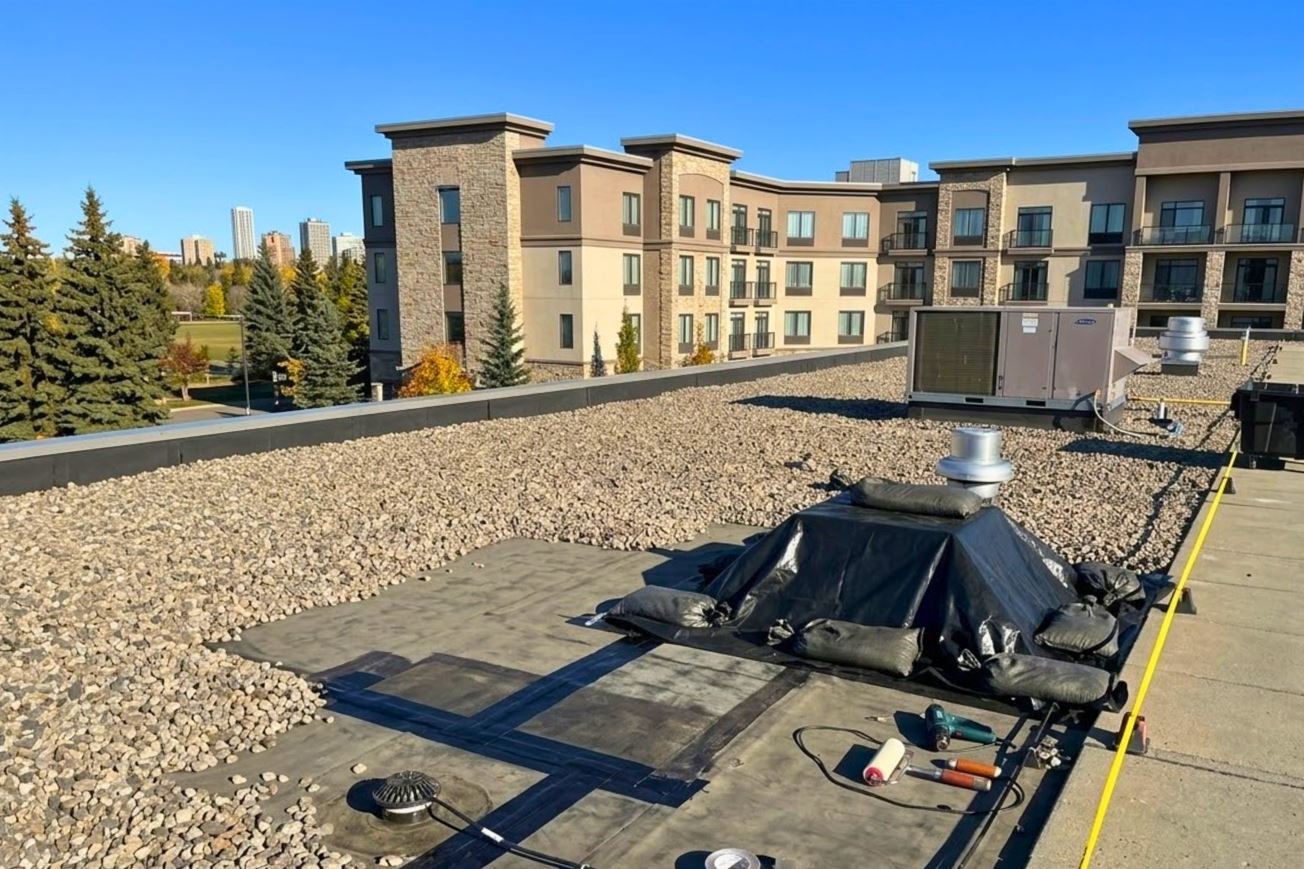
From the first phone call to the final inspection report, we keep you fully informed at every step. You always know what we found, what we are doing right now, and what your roof will need going forward. This openness lets property owners and managers across Alberta make confident, well-grounded decisions during a stressful commercial roof emergency, with no jargon and no surprises along the way.


