Residential Roof Repair & Maintenance
Markit Roofing provides residential roof repair and maintenance across Calgary and Edmonton. We assess worn shingles, loose flashing and drainage issues, then explain which small fixes can be handled during the visit and which need a separate repair plan. Regular upkeep helps homeowners identify developing problems before water damage spreads.
Alberta roofs face freeze-thaw cycles, wind, hail and seasonal debris. Maintenance checks focus on the roof surface, flashing, gutters and accessible attic areas, with recommendations based on the roof’s condition. For an active leak or sudden storm damage, see our residential emergency roofing service. Book an assessment to discuss the right next step for your home.

Why Alberta Roofs Benefit from Regular Upkeep
Small roof defects can develop into larger repairs when they go unnoticed. Lifted shingles, cracked sealant and obstructed ventilation deserve attention even when there is no visible ceiling stain. Residential roof maintenance checks these areas and helps prioritize work according to the roof’s age, condition and exposure. Spring and fall are useful times to review seasonal wear, with additional checks after significant storms. These are some of the issues we look for on a home.
- Lifted or cracked shingle tabs
- Loose or rusting flashing
- Cracked caulking at seams
- Blocked or overflowing gutters
- Blocked soffit intake vents
The urgency depends on what the defect is doing. A loose shingle without water entry may suit a scheduled repair, while active leaking, displaced materials or storm damage need prompt assessment. Routine residential roof maintenance helps identify these differences and set priorities. We explain the condition found, the recommended work and any follow-up needed, so minor upkeep and more involved repairs are planned appropriately.
Our Roof Maintenance Process

Full Roof Surface Check-Over
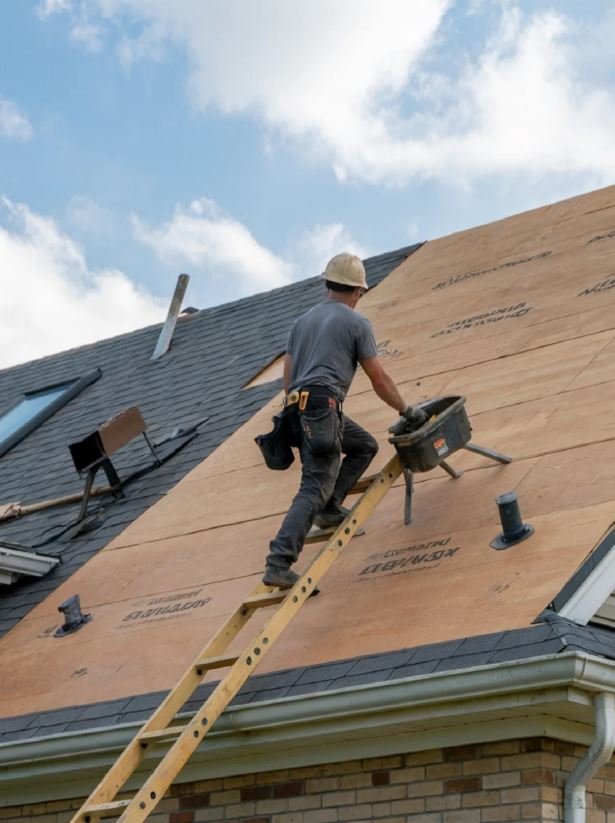
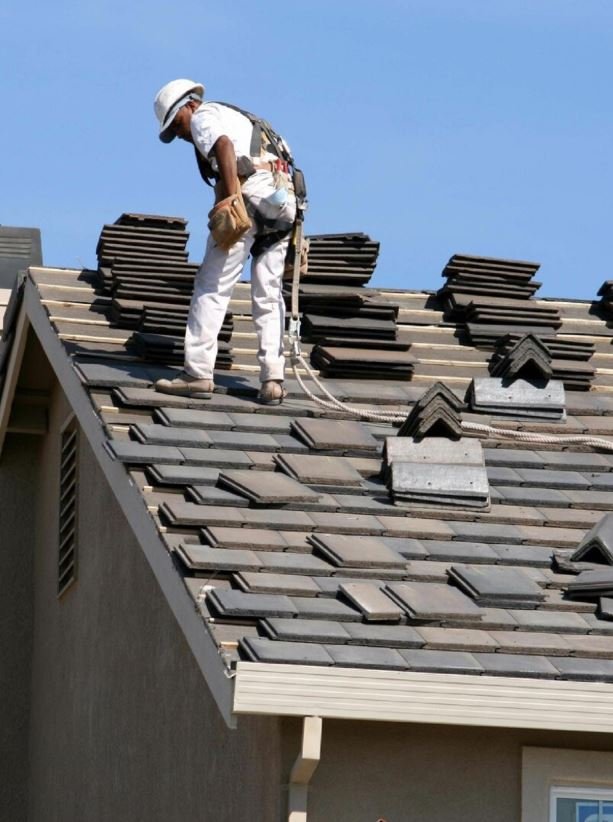
We start with the roof surface, walking it, slope by slope, where it is safe, and inspecting from a ladder where it is not. We check for lifted, cracked, and missing shingles, granule loss that signals ageing, and nail pops that let water in one hole at a time.
Flashing gets particular attention, because water rarely enters through the middle of a shingle. It finds the seams: the metal at valleys, chimneys, walls, and vent pipes. We check each transition for rust, lifting, and cracked sealant, since these account for most of the leaks we are called back to fix on a home.

Attic and Ventilation Check
The attic can reveal issues that are not visible from the roof surface. Where access allows, we look for staining on the sheathing, damp insulation, frost and visible gaps. These signs need interpretation: moisture may come from roof leaks, indoor air leakage or condensation, rather than a single obvious cause.
We also check accessible intake and exhaust ventilation for obstructions. Ventilation needs depend on the roof assembly and applicable product requirements. Blocked airflow can contribute to moisture problems, alongside insulation gaps and air leakage. Findings help determine whether a roofing repair, further investigation or another corrective step is appropriate.
Clear, Seal, and Small Fixes
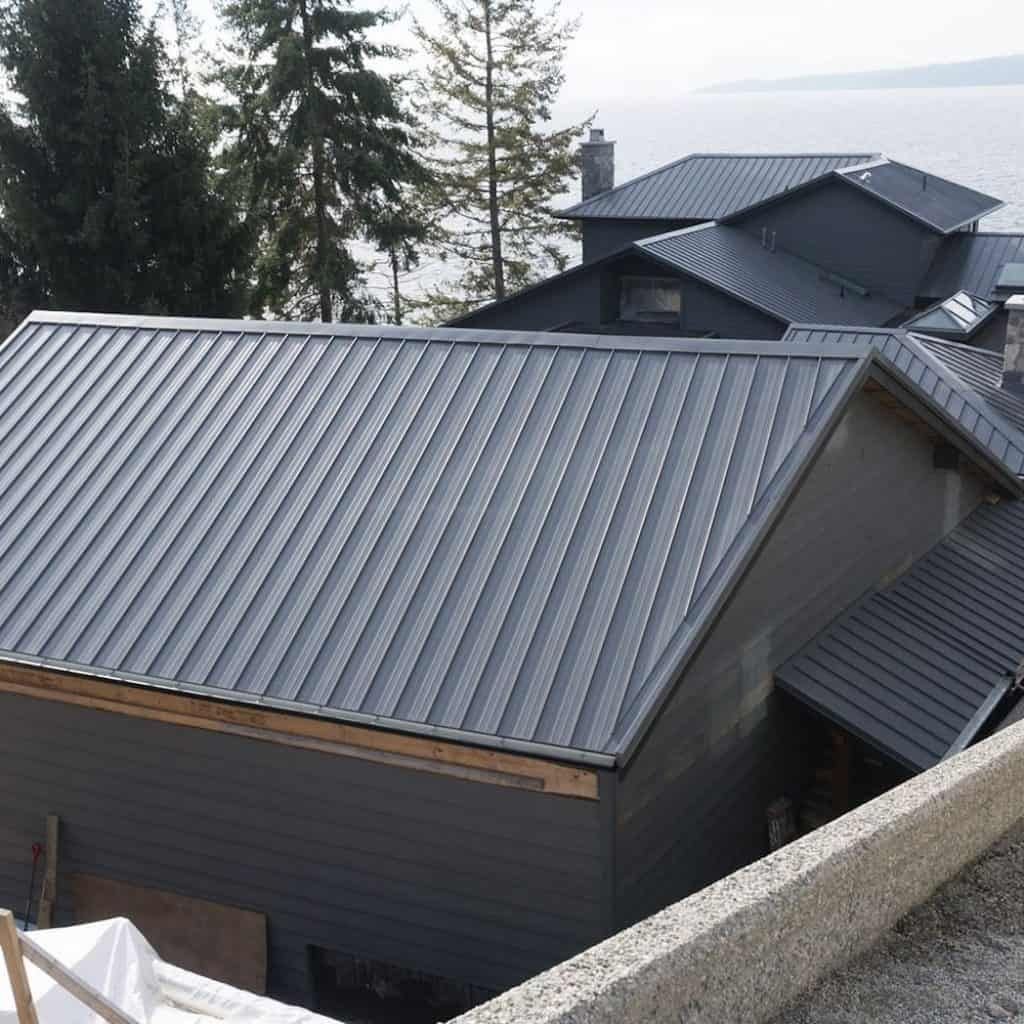
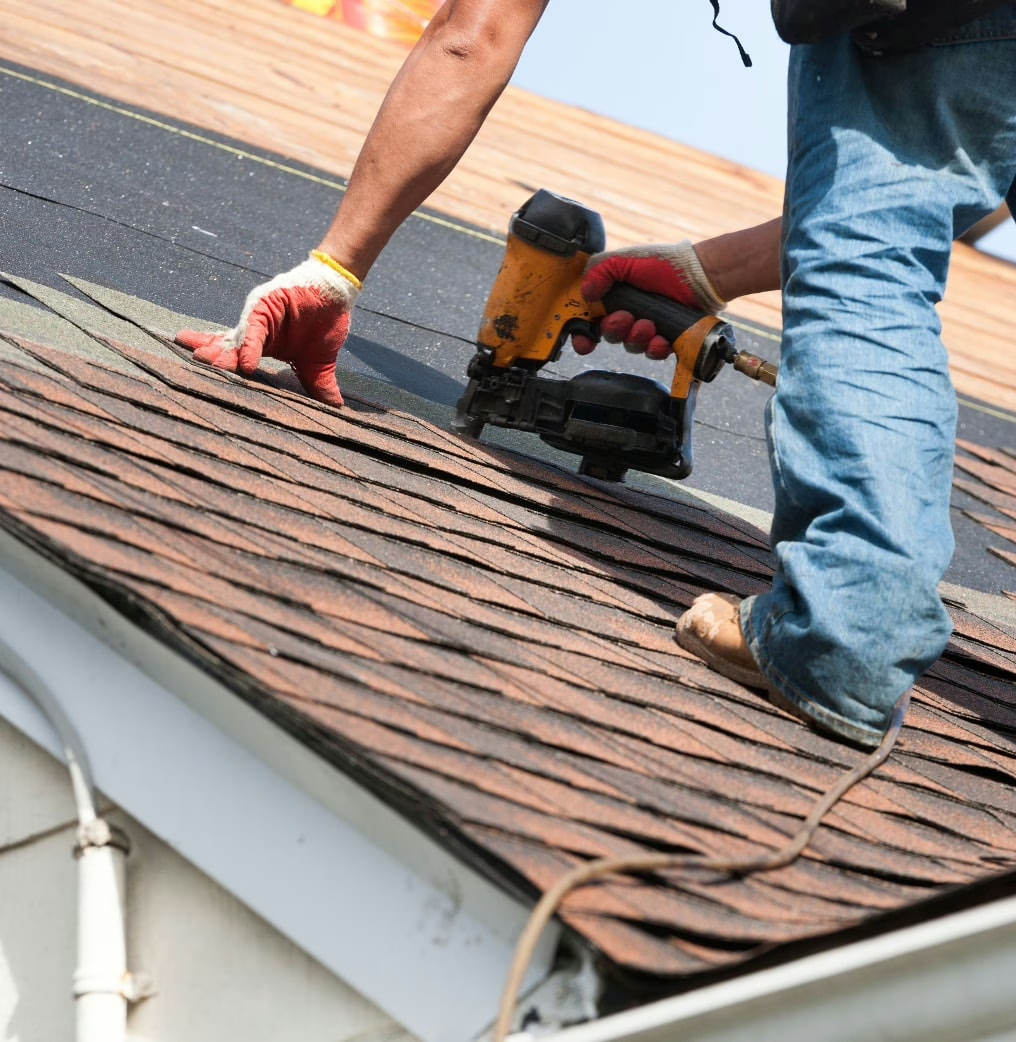
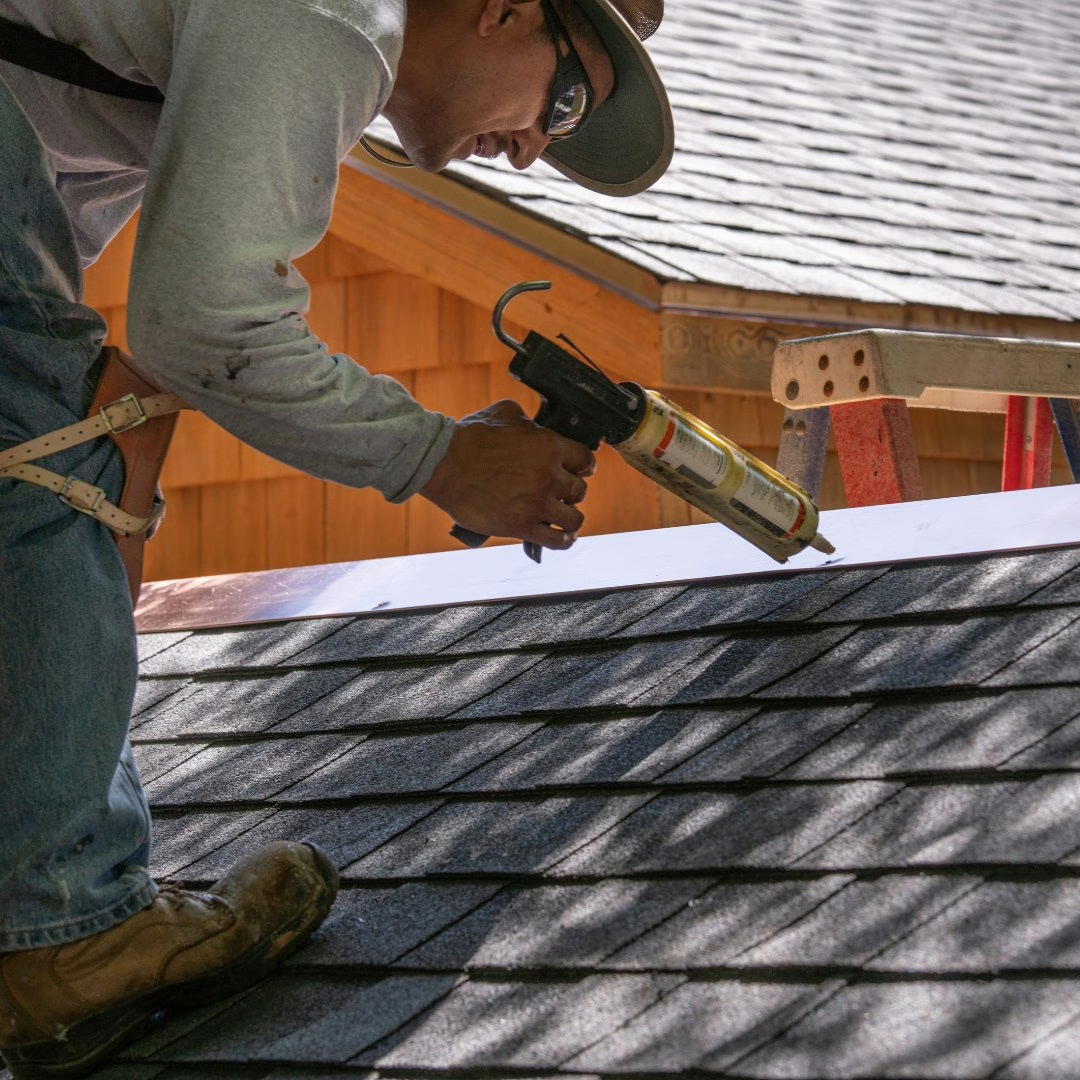
After the assessment, we identify suitable minor repairs. Work may include re-securing loose flashing, renewing deteriorated sealant or repairing isolated shingle damage. Blocked drainage may need residential gutter cleaning, especially where debris prevents water from reaching the downspouts. The condition and access determine the work required.
Small repairs can help limit further deterioration, but they are not a substitute for investigating an active leak or damaged roof deck. We explain which work fits the maintenance visit and which needs a separate scope, so you know the recommended next steps before a larger repair is arranged.

Written Report and Next Steps
For anything larger than a minor fix, we document it and explain the options. If a slope is deteriorating or a leak needs investigation, the next step may be a scheduled repair or a residential roof inspection and leak detection. The recommendation reflects the condition found, rather than assuming every concern needs a replacement.
You receive a written record of the visit, including findings and recommended follow-up. Keep this alongside installation and repair documents for future reference. Maintenance requirements and exclusions vary by warranty, so check the terms for your roof. A service record supports documentation but does not guarantee coverage or claim approval.
Have a new roofing project?
Seasonal Roof Care Across the Alberta Year
Spring is a useful time to assess wear that was hidden by winter snow. Freeze-thaw cycles, ice buildup and wind may leave loose shingles, damaged flashing or blocked drainage. We check eaves and valleys, look for displaced materials, and review gutters for debris and unusual granule accumulation. Repairs are planned around safe access, the condition of the roof and the product’s installation requirements. Shingle sealing depends on the material and weather, rather than one fixed temperature for every roof. Catching visible damage early helps homeowners decide what to repair before heavier rain arrives.
Summer brings two threats that work in opposite directions: intense UV from above and violent hail from the sky. Alberta sun bakes south and west slopes, drying out the asphalt and curling shingle edges, while a single hailstorm can strip granules across a whole roof in minutes. We check for sun damage that slowly ages a roof and impact damage that ages it in an afternoon, and we make sure the attic vents properly, because trapped summer heat cooks shingles from underneath just as surely as the sun does from above.
Fall is preparation season, and it is the last comfortable chance to get on the roof before the snow arrives. This is when we do the most thorough visit of the year: a full clearing of leaves and debris from the roof and gutters, an inspection of every flashing and sealant before freezing weather can exploit a gap, and any repairs that need doing while the shingles are still warm enough to seal. Trees get flagged for trimming too, because a branch that reaches the roof will drop debris all winter and can come down under snow load.
Winter roof care starts with safe observation. From the ground, watch for ice buildup at eaves, displaced roofing and new ceiling stains, which may indicate a leak or condensation. Photograph concerns where safe and arrange an assessment rather than climbing onto snow or ice. Snow removal needs a method suited to the roof, surrounding hazards and conditions; avoid standing beneath falling ice or snow. Active water entry, sagging or sudden storm damage needs prompt attention rather than waiting for a routine spring visit.
Why Homeowners Keep Us on the Roof Every Year
Residential roof maintenance gives homeowners a clearer picture of the roof they already have. A visit brings together condition checks, suitable minor repairs and advice on issues that need further work. The aim is to make upkeep easier to plan, with useful records and recommendations based on observed conditions. These are the practical benefits of reviewing the roof regularly instead of relying only on visible leaks.
Maintenance Records for Your Warranty

Maintenance records help show how a roof has been cared for. Keep dated inspection findings, repair details and installation documents together, and review the maintenance conditions in your own warranty. Requirements differ between products and providers. Our visit records give you useful documentation for future discussions, while the warranty provider determines whether a particular defect or claim is covered under its terms.
The Pro-and-DIY Split Explained

Homeowners can watch for ceiling stains, photograph visible changes from the ground and check whether downspouts drain freely. Leave steep-roof access, icy surfaces and work near power lines to appropriately equipped professionals. Tree work may also need a qualified specialist. We explain which observations are useful between visits and which conditions call for a professional assessment, helping you monitor the roof without taking unnecessary risks.
Attic Rain Caught Nice and Early
Condensation can resemble a roof leak when warm, moisture-laden indoor air reaches cold attic surfaces. Frost may collect and later melt onto insulation or ceilings. Replacing shingles alone may not resolve that cause. Where attic access allows, we look for moisture patterns and ventilation obstructions, while considering air leakage and insulation as well. The aim is to identify the likely source and recommend further investigation when needed, rather than assume every ceiling stain comes through the roof covering.
A Record Across Visits
Previous findings help give each maintenance visit context. A flashing detail flagged last season can be checked again, and earlier repair notes can help identify recurring concerns. Keeping those observations together makes changes easier to track over time. Bring any past inspection reports or repair details to the assessment so the current roof condition can be considered alongside its maintenance history.
Records You Can Actually Use
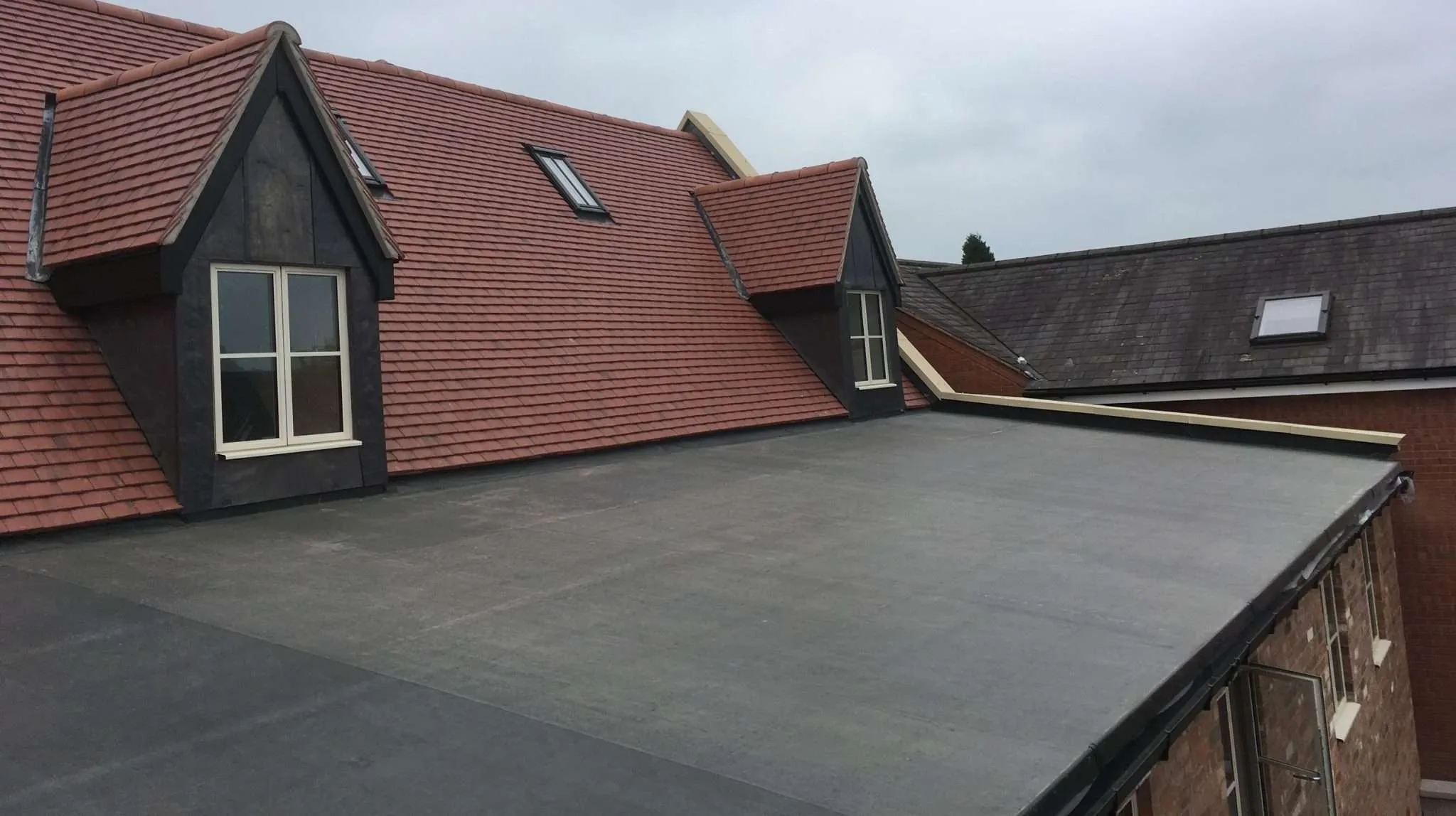
A useful maintenance record explains what was inspected, what was repaired and what still needs attention. Dated photos and plain-language findings help you compare changes, plan future work and discuss concerns with a contractor. Keep the record with other roof documents so you can refer back to completed repairs and outstanding recommendations, or show a future buyer the maintenance history available for the home.