
TPO Roofing System
Markit Roofing installs commercial TPO roofing systems across Alberta. We deliver heat-welded, energy-efficient flat-roof membranes built to handle harsh prairie winters, summer UV, and demanding business conditions backed by manufacturer warranties and certified installation crews you can trust.
A TPO Roofing System gives flat and low-slope commercial roofs a bright, reflective single-ply membrane that turns back summer heat and seals tight at every welded seam. Markit Roofing installs it to trim cooling costs and keep your building dry through Alberta weather.
TPO, or thermoplastic polyolefin, is a single-ply roofing membrane prized for its reflective white surface and hot-air-welded seams. Rather than relying on adhesive tapes or torches, TPO sheets are fused together with heat, forming a continuous bond that resists leaks far better over time. Its light-coloured top reflects solar energy rather than absorbing it, so the roof and the rooms below stay cooler in summer. That mix of clean seams and energy savings has made TPO one of the most popular commercial roofs in North America.
Our crews install, repair, and re-roof TPO for warehouses, retail, and office buildings across Calgary and Edmonton. We weld every seam to spec, detail the flashings and penetrations, and pressure-check the finished roof before we leave. Whether the job is new construction or a replacement, we build TPO roofs that hold up for decades.
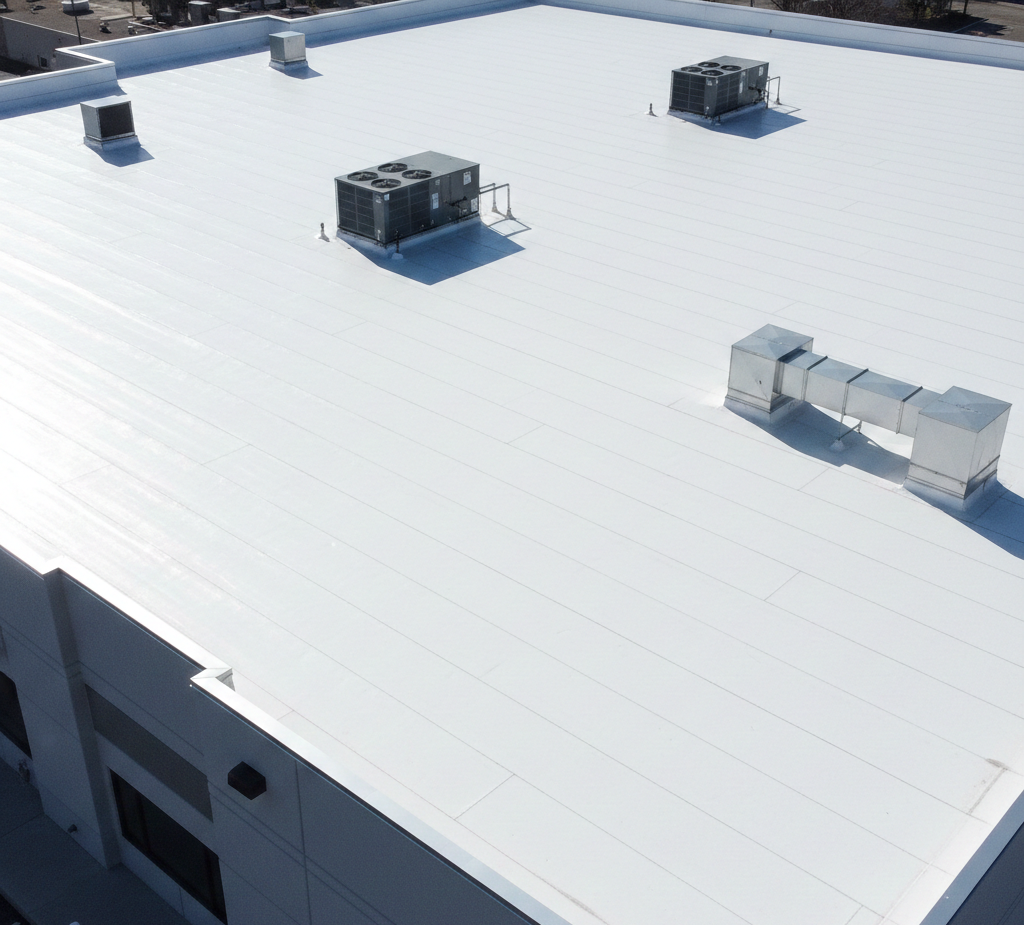
What is a TPO Roofing System?
- Single-Ply Thermoplastic Membrane
- Hot-Air-Welded Continuous Seams
- Reflective Energy-Saving Surface
- Resists UV, Chemicals, and Punctures
Types of TPO Roofing System
- Mechanically Attached TPO Roofing
- Fully Adhered TPO Roofing
- Ballasted TPO Roofing
- Fleece-Backed TPO Roofing
- Induction-Welded TPO Roofing
Our Process
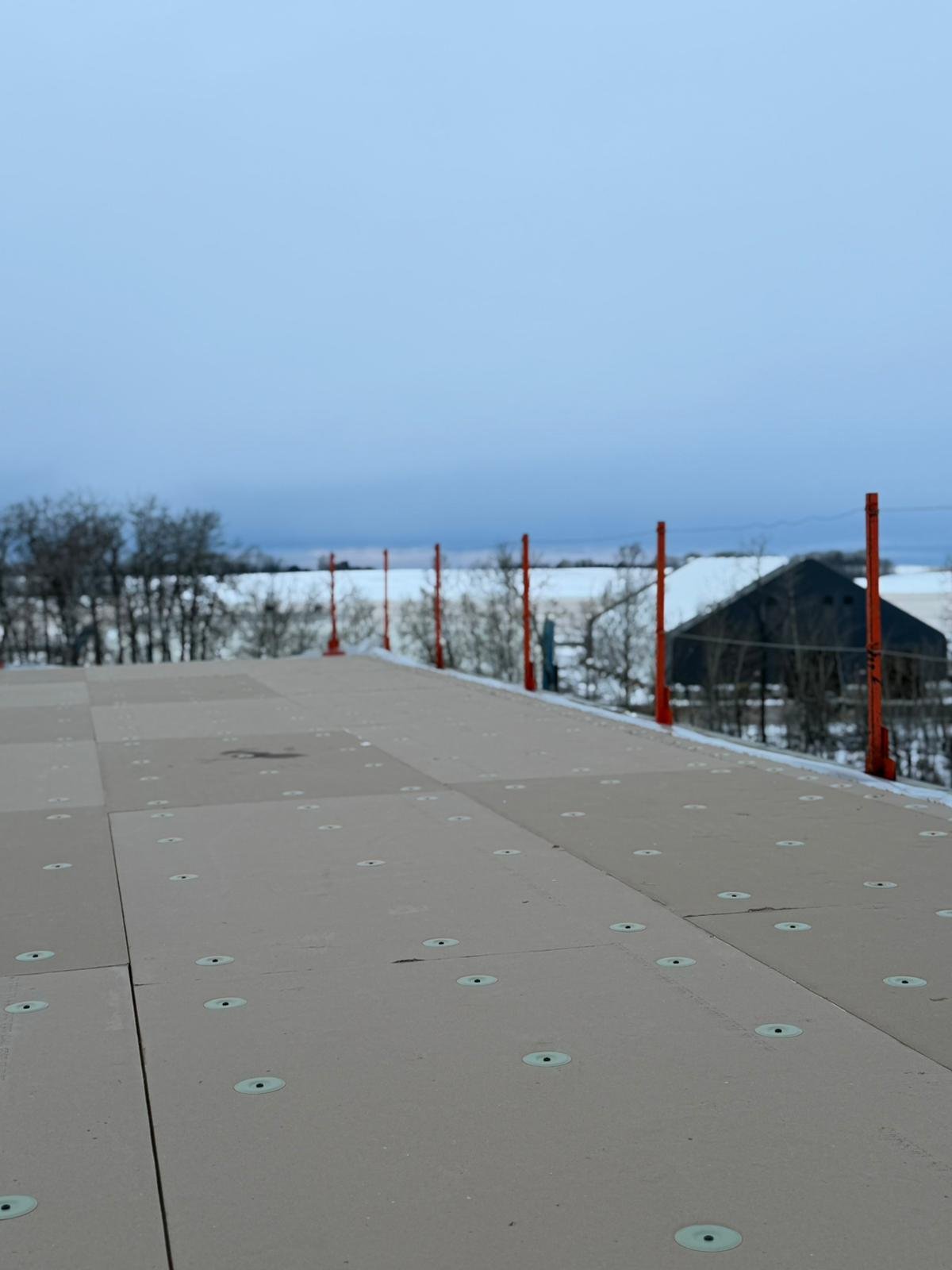
Roof Inspection and Planning
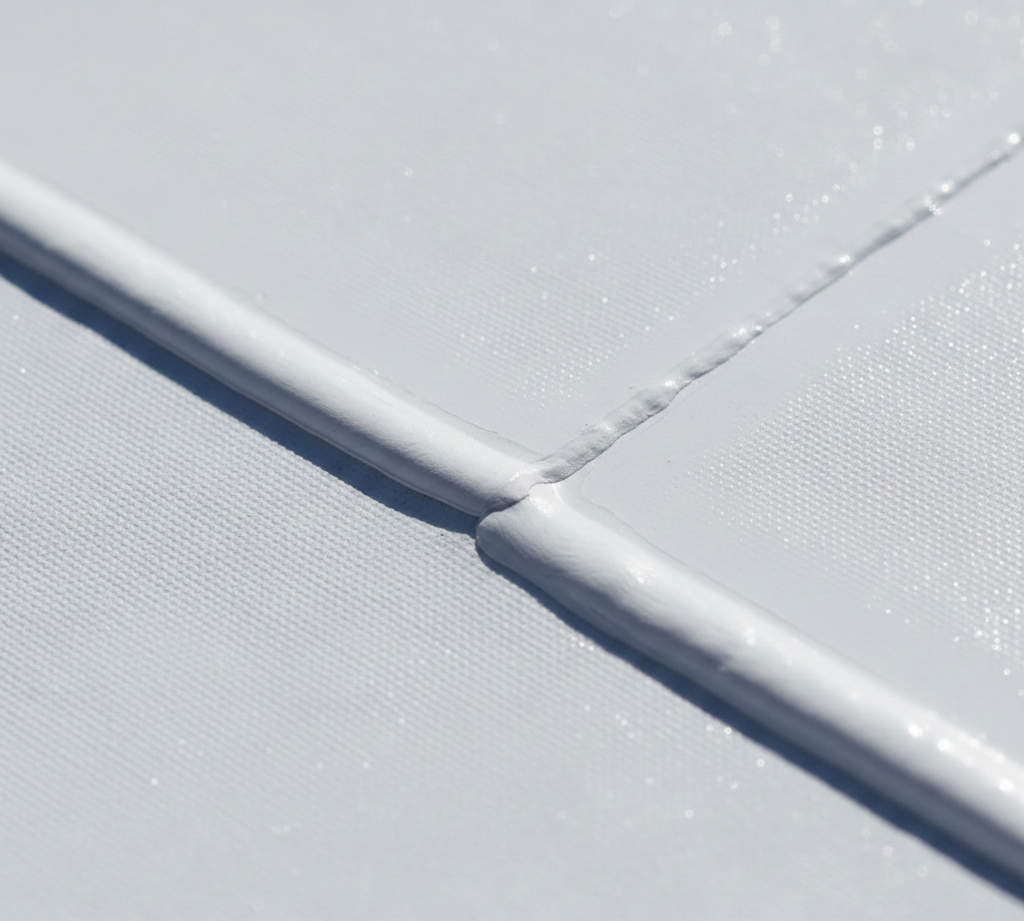
Surface Preparation
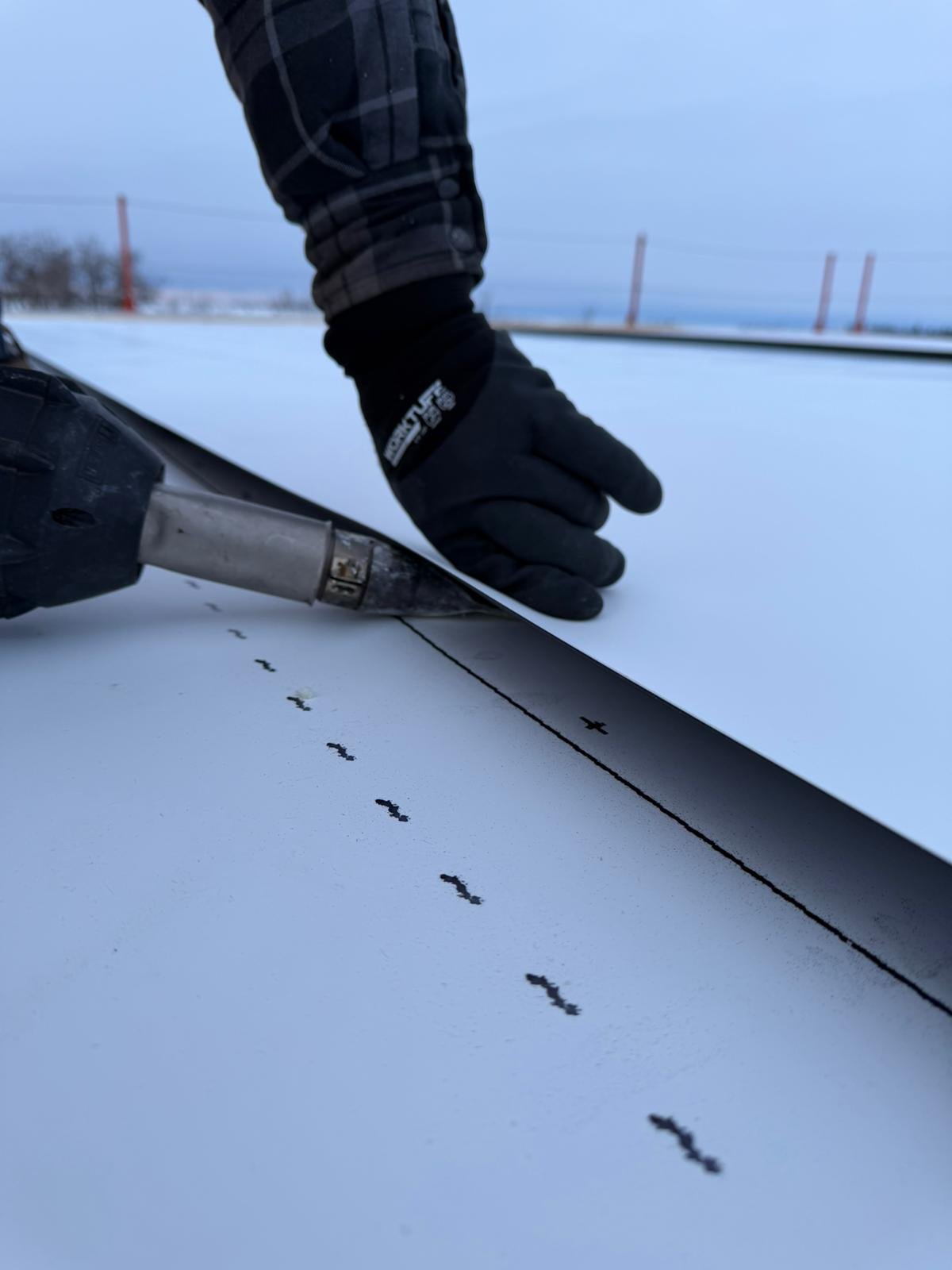
TPO Membrane Installation and Review
Have a new roofing project?
What can you expect from us?
- Seam welds are tested and documented across the whole roof.
- Energy-conscious builds that can lower cooling costs.
- Clear timelines, clean sites, and warranties that hold.
Durable
A correctly welded TPO roof resists UV exposure, punctures, and chemical exposure, and typically lasts 20 to 30 years. The fused seams remove the weak adhesive joints that tend to fail first on cheaper single-ply roofs.
Safe
TPO’s welded laps and secure fastening hold firm under Alberta wind and snow, and many membranes carry fire and wind ratings that meet commercial code requirements. The reflective surface also keeps rooftop work areas cooler for crews.
Dependable
We install to certified procedures, test the welds we make, and back the roof with solid warranties, so a Markit TPO roof keeps reflecting heat and shedding water reliably for years.
FREQUENTLY ASKED QUESTIONS
They are joined with a hot-air welder that melts adjacent sheets into a single piece, and that fused bond is usually stronger than the glued or taped seams found on many other single-ply roofs.
Its reflective white surface bounces back a large share of solar heat, which can ease summer cooling demand and, in some regions, qualify the building for energy rebates.
Most well-installed TPO roofs serve 20 to 30 years, with thicker membranes and careful welding sitting at the higher end of that range.
In many cases, yes. If the deck and insulation are in good shape, laying TPO as an overlay avoids the expense and downtime of stripping the old roof first.
No. A reflective TPO roof mainly needs occasional cleaning to keep its surface working and a yearly check of the seams and flashings.


