
Commercial Gutter Installation & Cleaning
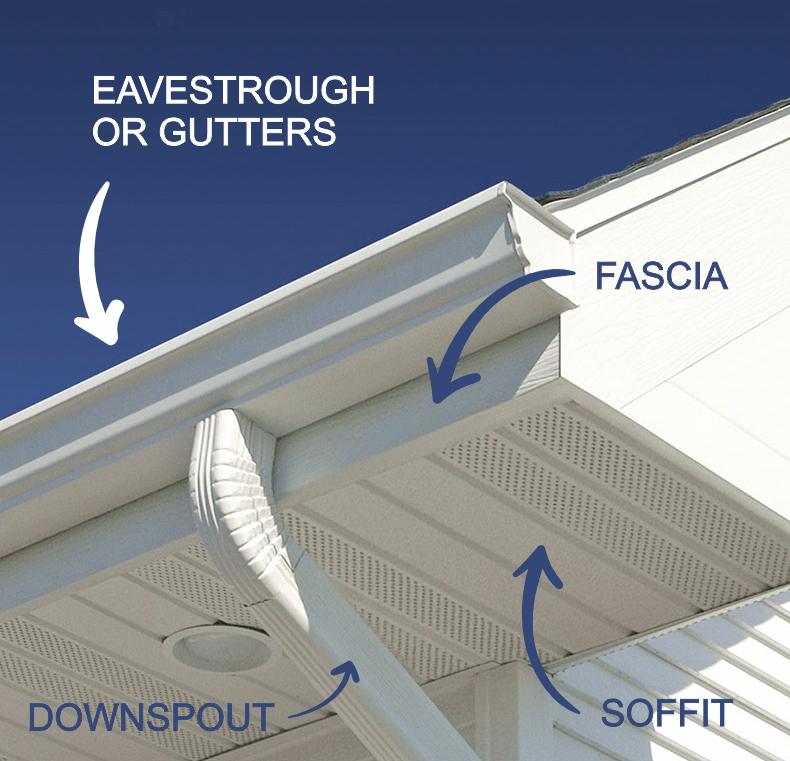
Water that leaves your roof correctly still has to reach the ground without touching the building. That is the eavestrough system’s whole job, and on a commercial property it handles far more volume than most owners realise. Markit Roofing installs, cleans, and repairs commercial gutter and eavestrough systems across Calgary and Edmonton, sized and sloped for the runoff an Alberta roof actually produces.
We form seamless eavestrough on site, hang it to carry snow and ice load, and keep it clear on a schedule. Roof-level drains and scuppers are part of scheduled roof maintenance; this page covers the system at the roof edge. Book your commercial gutter installation or cleaning today.
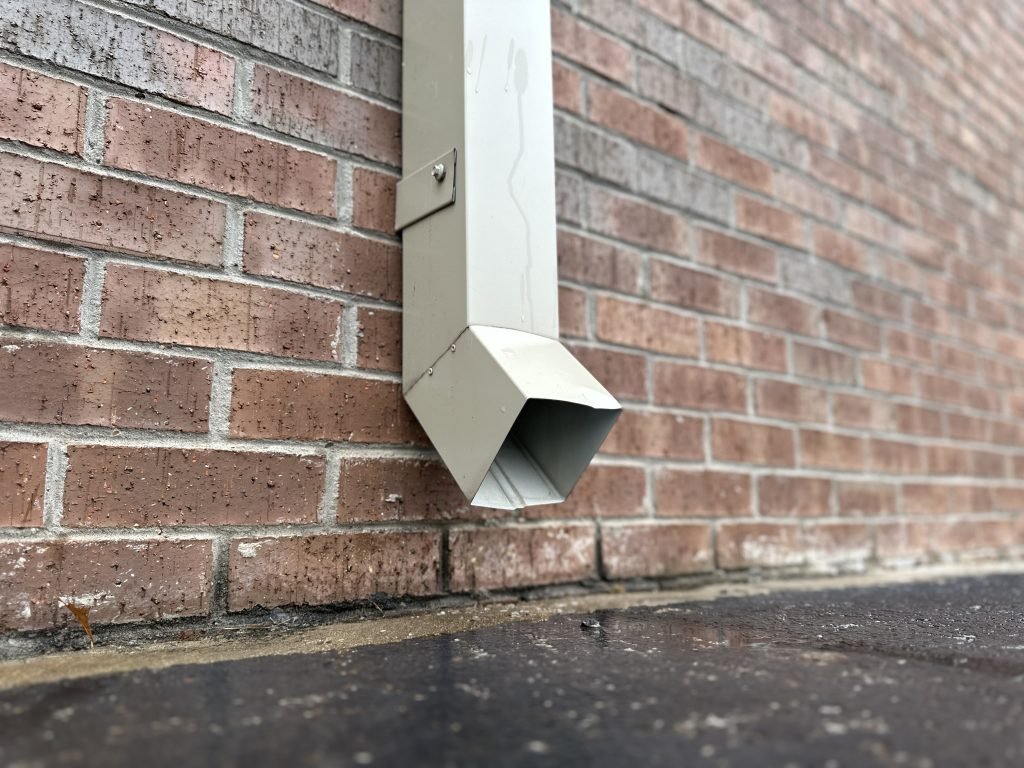
Signs Your Commercial Gutters Need Attention
Eavestrough problems announce themselves from the ground, which makes them easier to catch than most roofing faults. The trouble is that people notice and then wait. By the time water reaches the foundation or runs behind the cladding, the repair is no longer just the eavestrough. Watch for these on your building in Calgary or Edmonton.
- Water Overflowing The Trough Edge
- Downspouts Blocked With Packed Debris
- Sagging Sections Pulling From Fascia
- Ice Building Along The Eaves
- Pooling Water Near The Foundation
Most of these trace back to one of three causes: a system undersized for the roof area it feeds, hangers spaced too far apart to carry Alberta snow loads, or a simple blockage from a cleaning schedule that slipped. We identify which before recommending a full commercial gutter installation, because replacing a system that only needed re-sloping helps nobody.
Our Gutter Installation Process
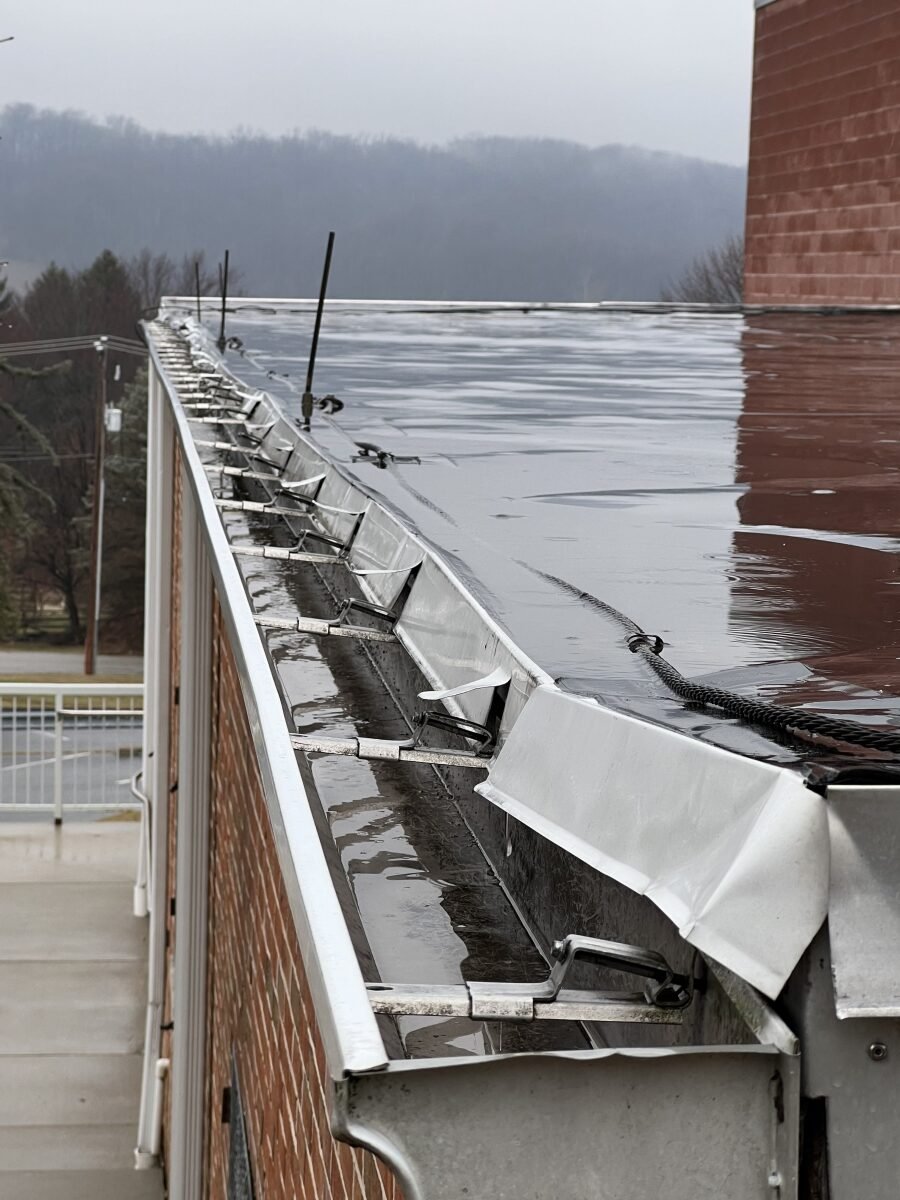
Survey the Roofline and Flow
Before anything is ordered, we measure the roof area draining to each run and check the existing fall. Eavestrough needs roughly a quarter inch of slope for every ten feet toward the downspout; less and water sits, more and the trough looks crooked from the ground. We also check the fascia it will hang from, because rotten fascia cannot hold a loaded system.
That survey decides everything downstream in a commercial gutter installation. A run carrying a large roof area needs a bigger profile and more downspouts, not just a longer trough, and this is why systems overflow despite being clean.
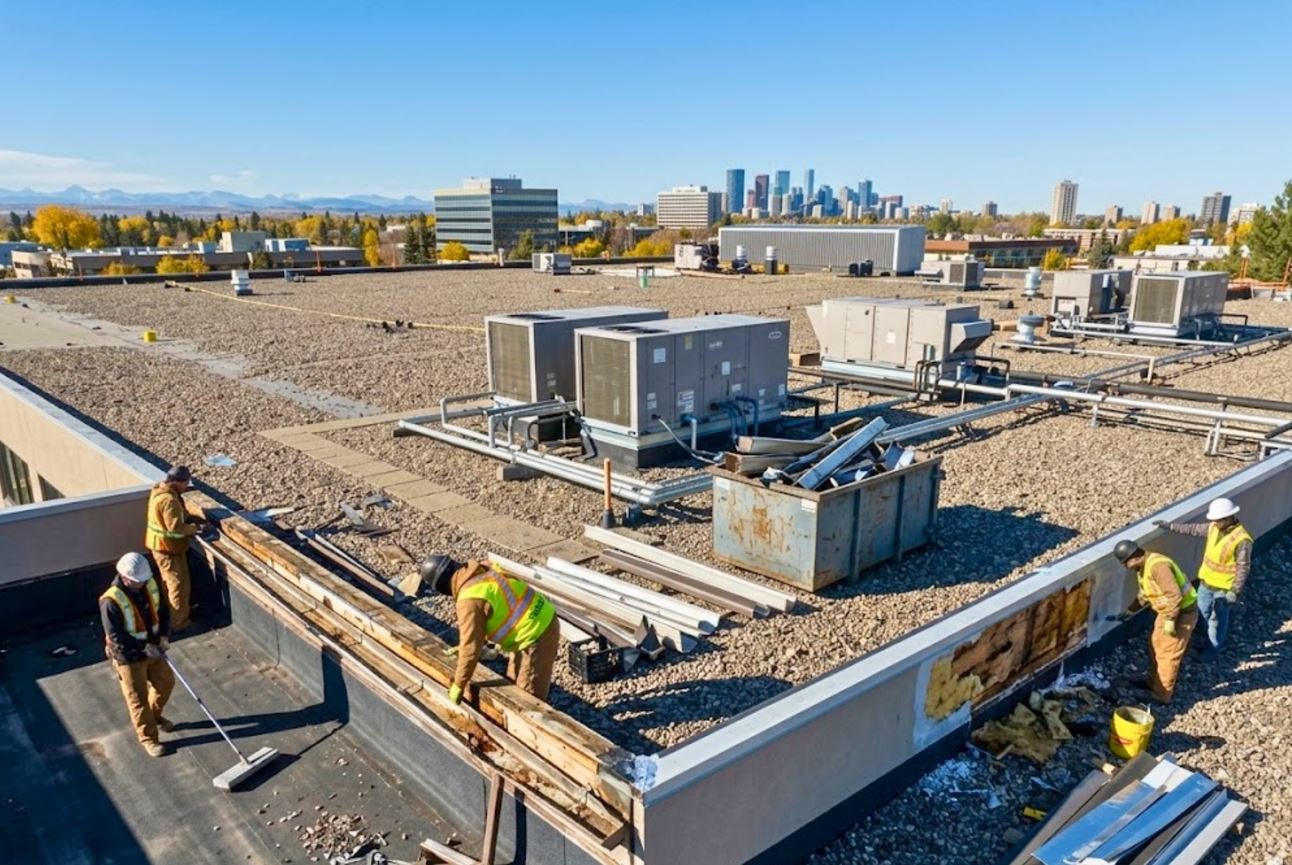
Size and Specify the System
Five-inch or six-inch profiles typically serve Alberta buildings. Six-inch carries substantially more volume and pairs well with larger downspouts, which is usually the right call for commercial roofs with large catchment areas. We specify profile, downspout count, and outlet positions together, since a wide trough feeding an undersized downspout moves the bottleneck.
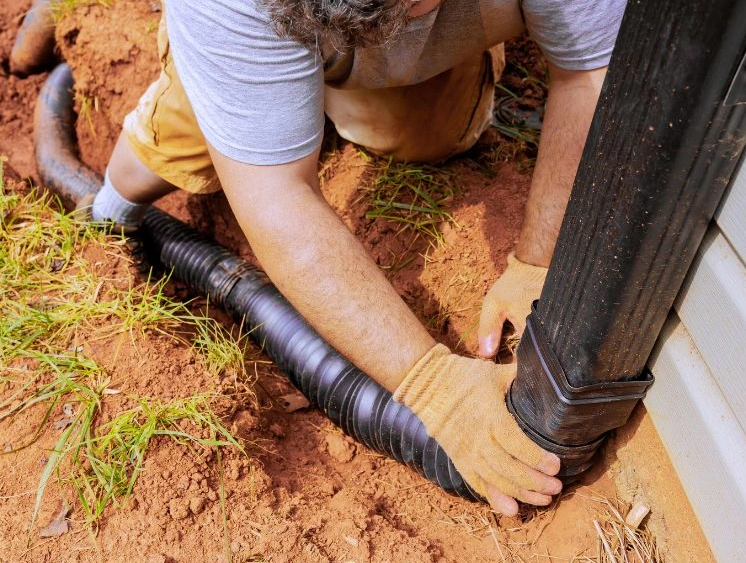
We also plan where water goes once it leaves the building. Downspouts discharging against the wall undo the point of the system, so we extend them clear of the foundation and away from icy walkways.
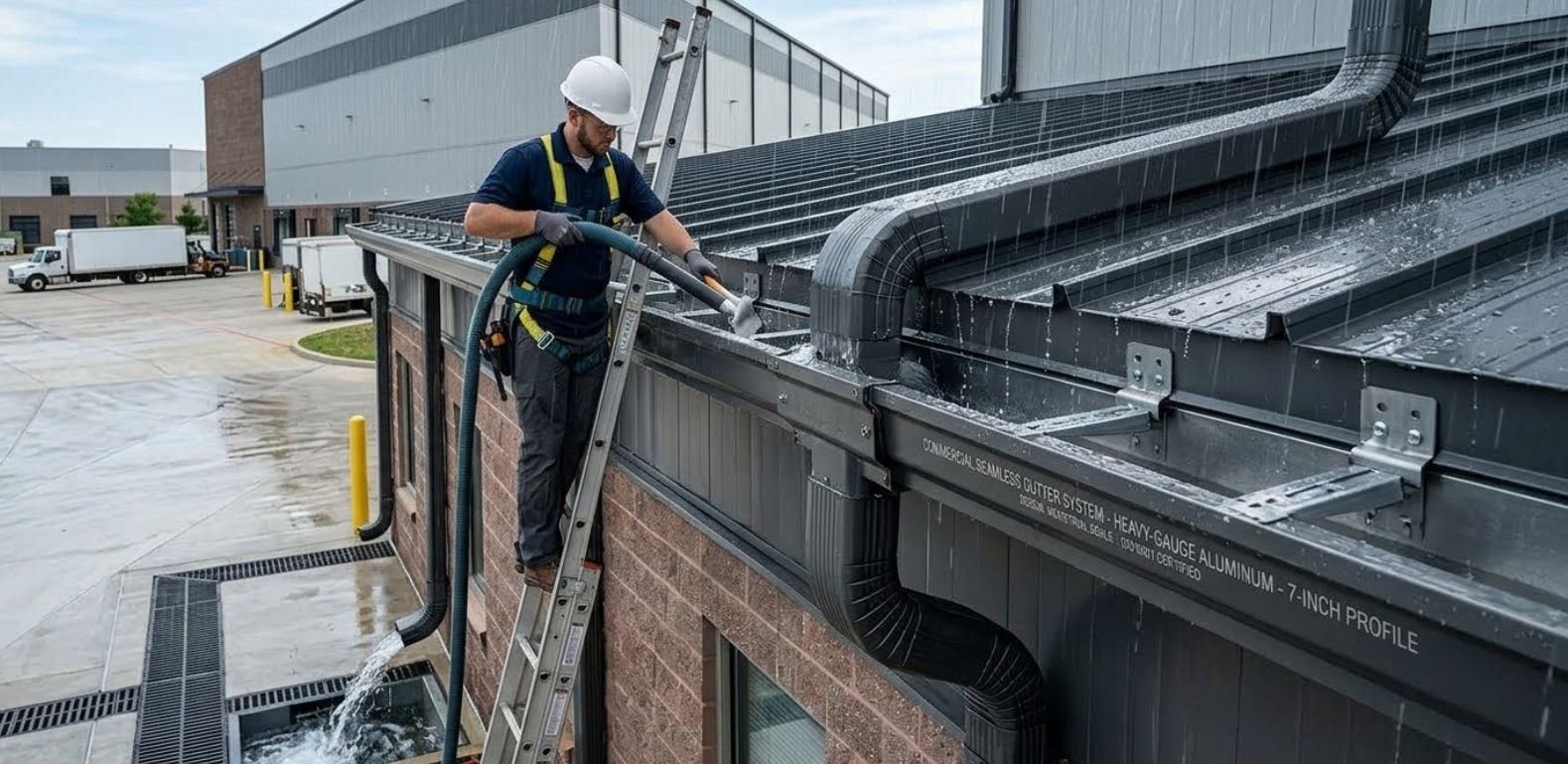
Form and Hang the Eavestrough
Our crews form seamless eavestrough on site from coil stock, cutting each run to the exact length it needs. A continuous run has no joints along its length, whereas joints are where sectional systems leak first as they expand and contract with Alberta’s temperature swings. Corners and outlets are the only seams, and those get sealed properly.
Hangers are spaced closer than residential practice to carry wet snow and ice load rather than water alone. Under-hung eavestrough is the most common failure we are called to fix, and it usually pulls the fascia with it when it goes.
Test Flow and Set the Schedule
Once hung, we flood-test each run to confirm water reaches the downspout and leaves the building where it should. Any slow section is adjusted before we leave rather than discovered by you during the first heavy rain.
We then set the cleaning schedule. Twice a year is the accepted minimum, spring and fall, and buildings under mature trees need more. Leaving it longer than that is how a working system turns into a blocked one, and blocked eavestrough in an Alberta winter becomes an ice problem rather than just a water problem.
Have a new roofing project?
Eavestrough Services We Provide Across Alberta
Seamless eavestrough is formed on site from continuous coil stock, so a forty-foot run arrives as one unbroken length rather than sections joined every ten feet. Those joints are the weak point in a sectional system: every one is a seal that expands, contracts, and eventually weeps. In a commercial building with long, uninterrupted rooflines, the difference is significant because more joints can fail. We form runs to the exact length required, fit internal and external corners as needed, and colour-match the trough to your existing fascia and cladding so the roofline still looks deliberate.
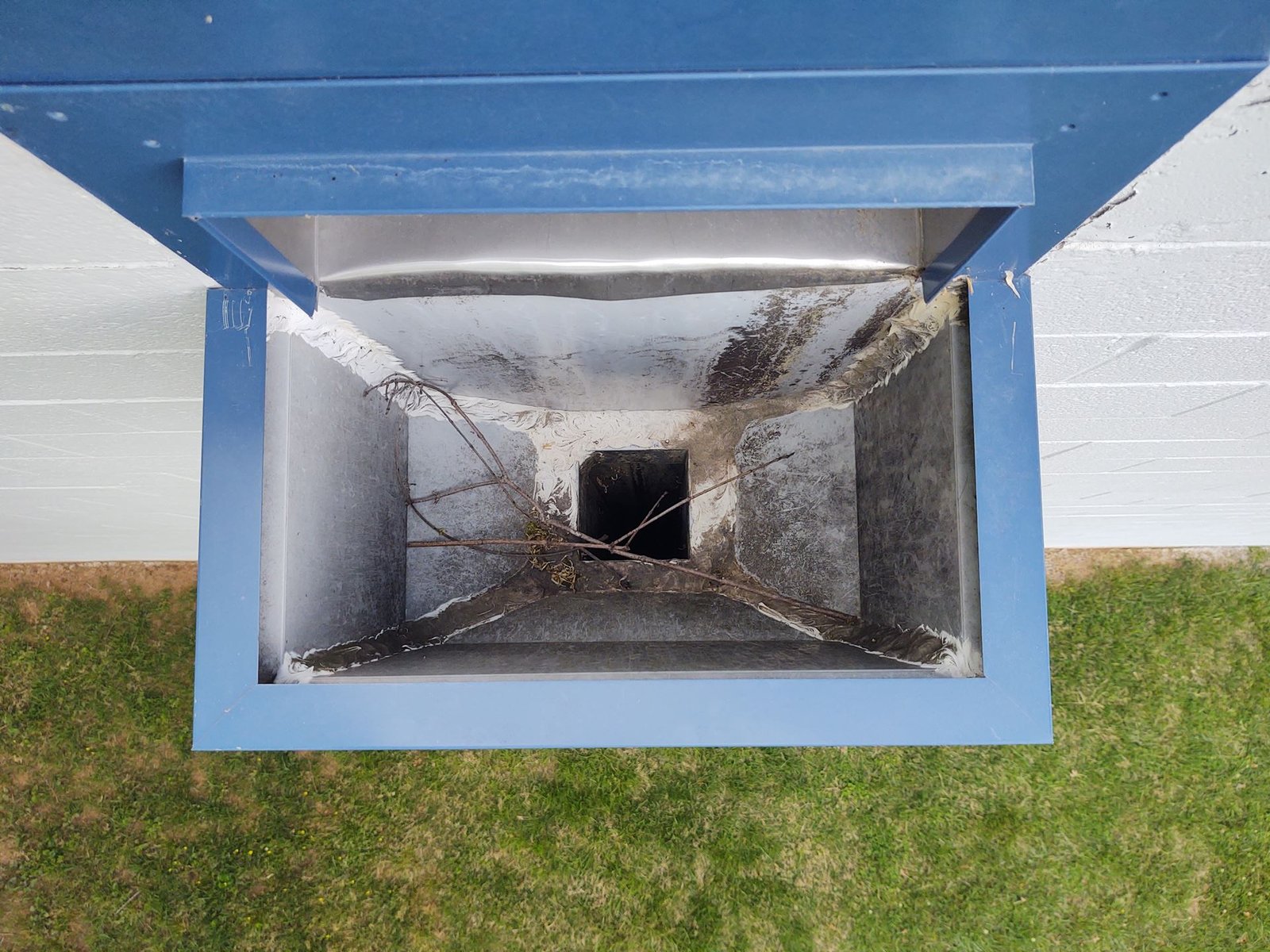
Scheduled cleaning is the least glamorous part of this work and the part that prevents the most damage. Debris settles at outlets first, so a trough can look clear from the ground while the downspout entry is completely choked. We clear the full run by hand rather than flushing debris further into the system, check the outlets, and flush each downspout to confirm it actually discharges. Twice a year is the working minimum in Alberta, before winter and after the leaves drop, and buildings with mature trees or nearby construction need more frequent visits.
Downspouts do the actual work of getting water away from your building, and they are routinely undersized or badly placed. We install and replace downspouts that match the trough profile, add outlets where a long run needs a second discharge point, and extend the base so that water leaves well clear of the foundation. On commercial properties, we also route them away from doorways, loading areas, and pedestrian paths because a downspout discharging onto a walkway creates an ice hazard every single Alberta winter and becomes a liability issue rather than a drainage issue.
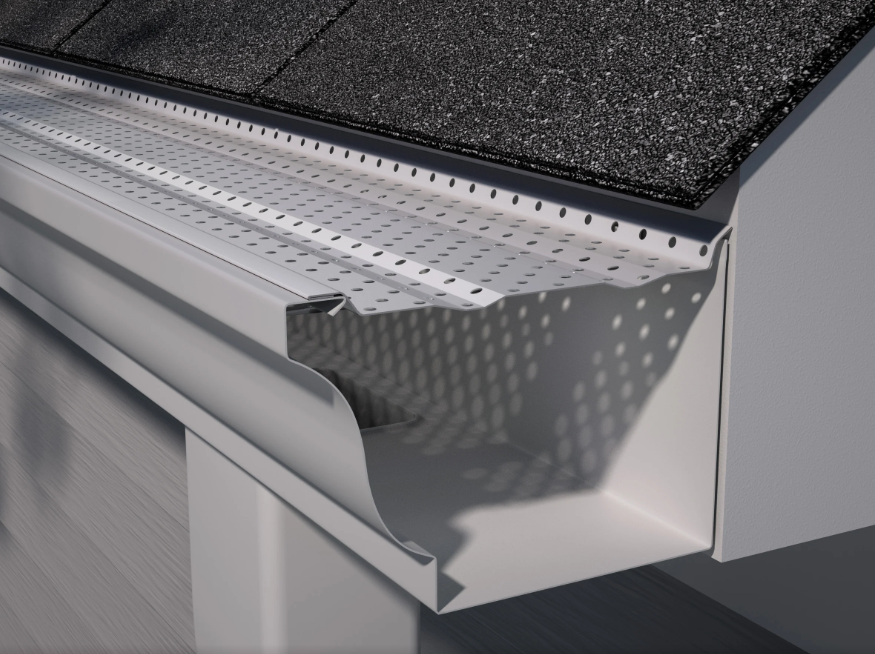
Gutter guards make sense on some buildings and are a waste on others, so we give you the honest version. On a roofline under heavy tree cover, they genuinely reduce how often the system chokes. Quality continuous-hanger guard systems also reinforce the trough itself, with rated systems capable of carrying several hundred pounds per linear foot, which matters under Alberta snow loads. What they do not do is eliminate cleaning: fine grit and shingle granules still accumulate, so the schedule stretches rather than disappears. We fit guards where they earn their place.
Why Our Eavestrough Systems Keep Performing
Markit Roofing treats the eavestrough as part of the roof rather than as an afterthought bolted onto its edge. We have been an Alberta Allied Roofing Association member contractor since 2019, working across Calgary and Edmonton, and we bring the same standards to a gutter run as we do to the membrane above it.
AARA Member Roofing Contractor
Membership in the Alberta Allied Roofing Association is not automatic. It signals that a contractor is operating within the province’s roofing trade standards rather than working around them, and it gives you somewhere to go if the work is ever disputed. For eavestrough specifically, it matters because much of this trade falls outside formal accreditation, which is exactly why quality varies so widely across Alberta.
Sized for Alberta Snowmelt
Most eavestroughs sold in Alberta are specified as though they only ever have to carry rain. It does not. It carries meltwater in volume during a March thaw, ice, and the weight of wet snow sliding off the roof above. We size profiles, space hangers, and position downspouts for that reality, which is why our systems stay attached to the fascia through the winters that pull lesser installations off the building.
Seamless and Formed On Site
Every commercial gutter installation we do is formed on site, so there are no joints along the length of a run, and joints are the first thing to fail on a commercial roofline. It also means every run is cut to the exact dimension of your building rather than assembled from stock lengths. Fewer seams means fewer seals to age, fewer places for ice to catch, and a cleaner line along the fascia when the job is finished.
Roofline Work Done Together
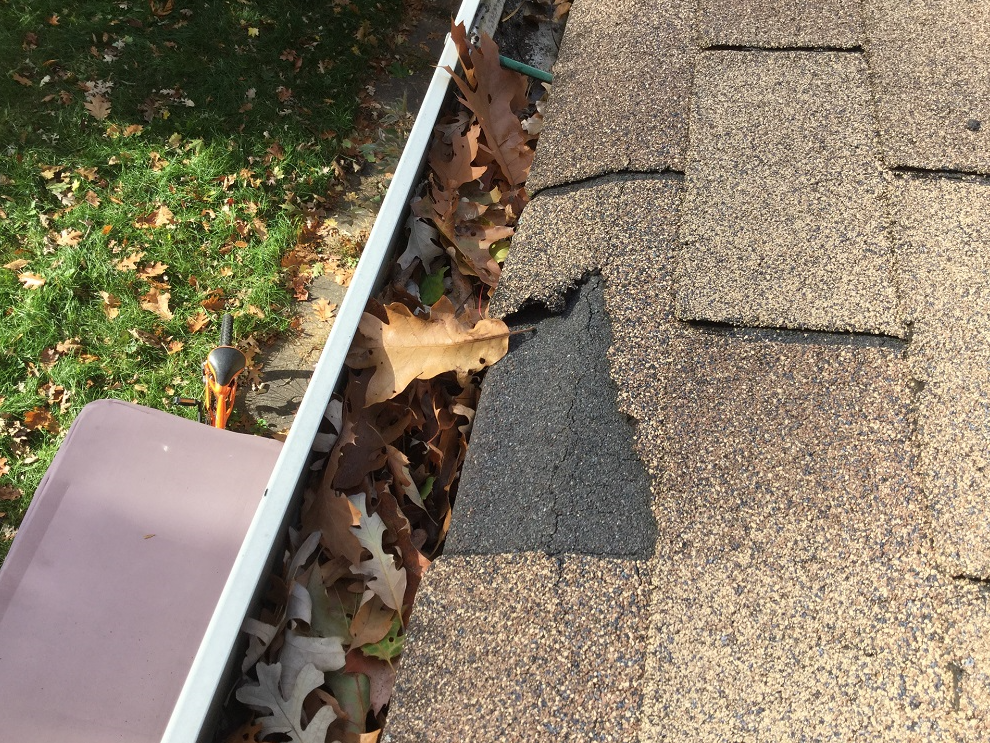
Eavestrough sits exactly where the roof, the fascia, and the wall all meet, which is why gutter faults and roof faults are so often the same fault. Because we do both, we can properly trace a leak rather than guess at it, and a commercial roof inspection settles it when the source is not obvious. If your roof is being replaced, doing the eavestrough at the same time is much simpler than having to return later.
Cleaning You Never Chase Up
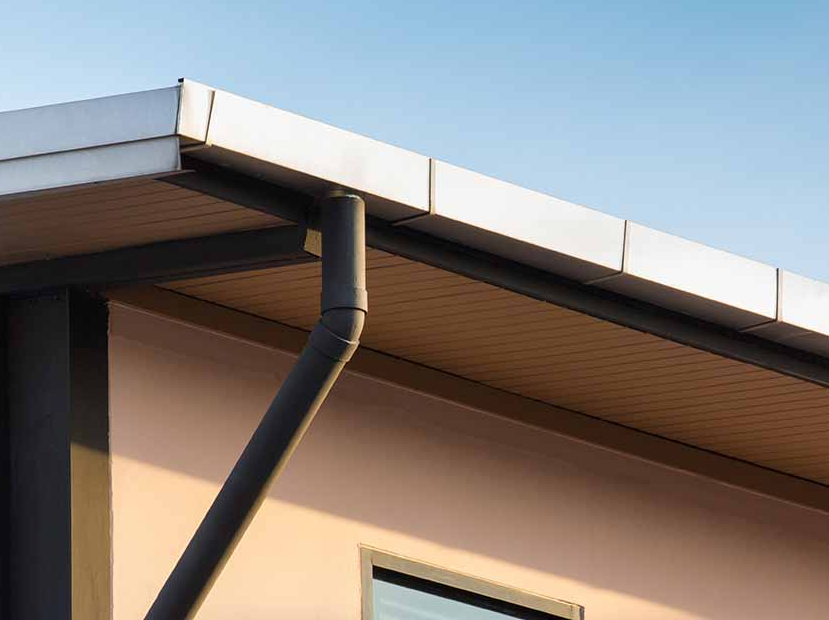
The most common reason a commercial eavestrough system fails is not poor installation. It is a cleaning schedule that quietly slipped for three years. We put your building on a fixed rotation, turn up without being chased, and tell you what we found each visit. That record also feeds into your wider scheduled roof maintenance file rather than sitting on its own.


