PVC Roofing System

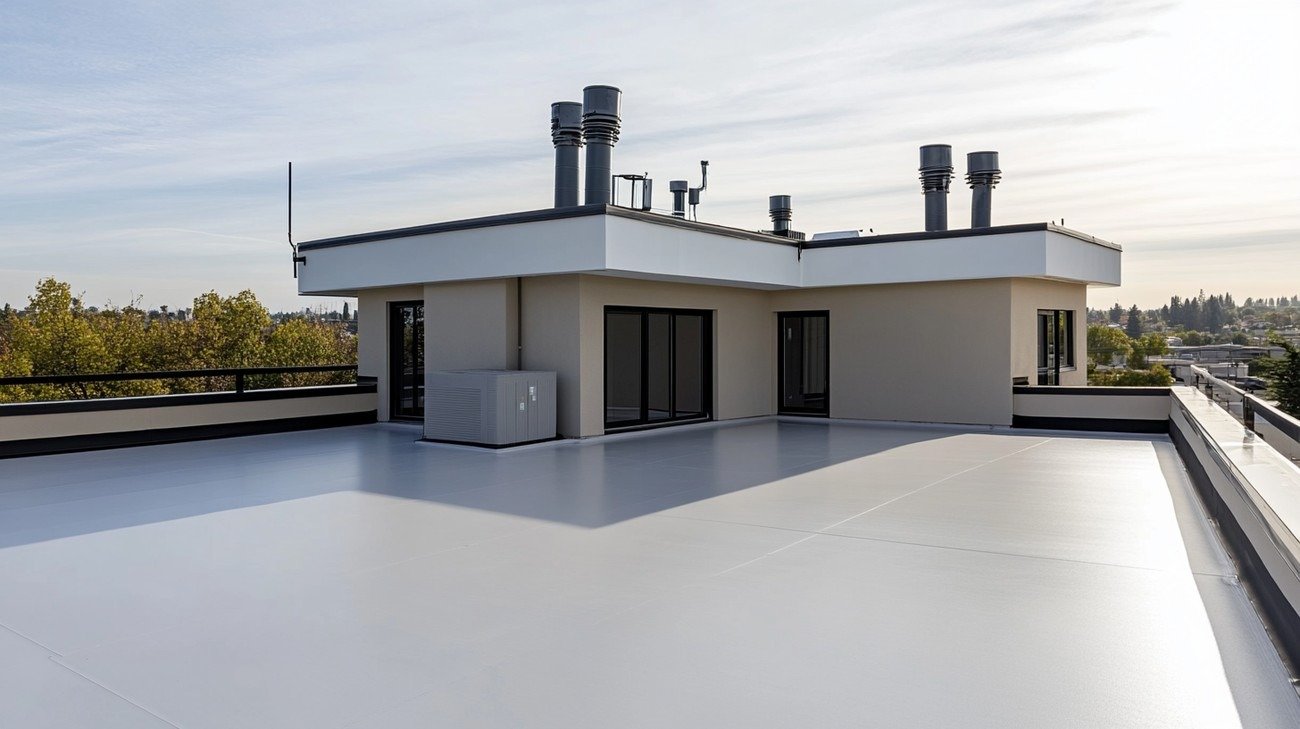
Protect your property with a PVC Roofing System, designed for flat and low-slope roofs that require strong waterproofing, energy efficiency, and durability. Its heat-welded seams help resist leaks, chemicals, and harsh weather while keeping your roof clean, reliable, and easy to maintain.
Markit Roofing
Markit Roofing

PVC Roofing System

At Markit Roofing, we offer reliable PVC roofing solutions for property owners seeking long-lasting protection, energy efficiency, and a clean, modern finish. PVC roofing is a popular choice for flat and low-slope roofs because it resists water, chemicals, fire, wind, and harsh sunlight. Our team focuses on proper installation, strong seams, and quality materials to help every roof perform well for years.

Whether you need roofing for a commercial building, warehouse, office, or residential structure, Markit Roofing provides practical guidance and professional workmanship. We aim to deliver a durable, low-maintenance roof that protects your property and supports long-term value in every season and demanding condition.

What is a PVC Roofing System?

A PVC roofing system is a synthetic membrane roof made from polyvinyl chloride material. It is installed in sheets and joined with heat-welded seams for strong waterproofing. This system works well on flat and low slope roofs because it resists water, chemicals, sunlight, grease, and fire better than many traditional roof materials in demanding building environments and harsh climate conditions.
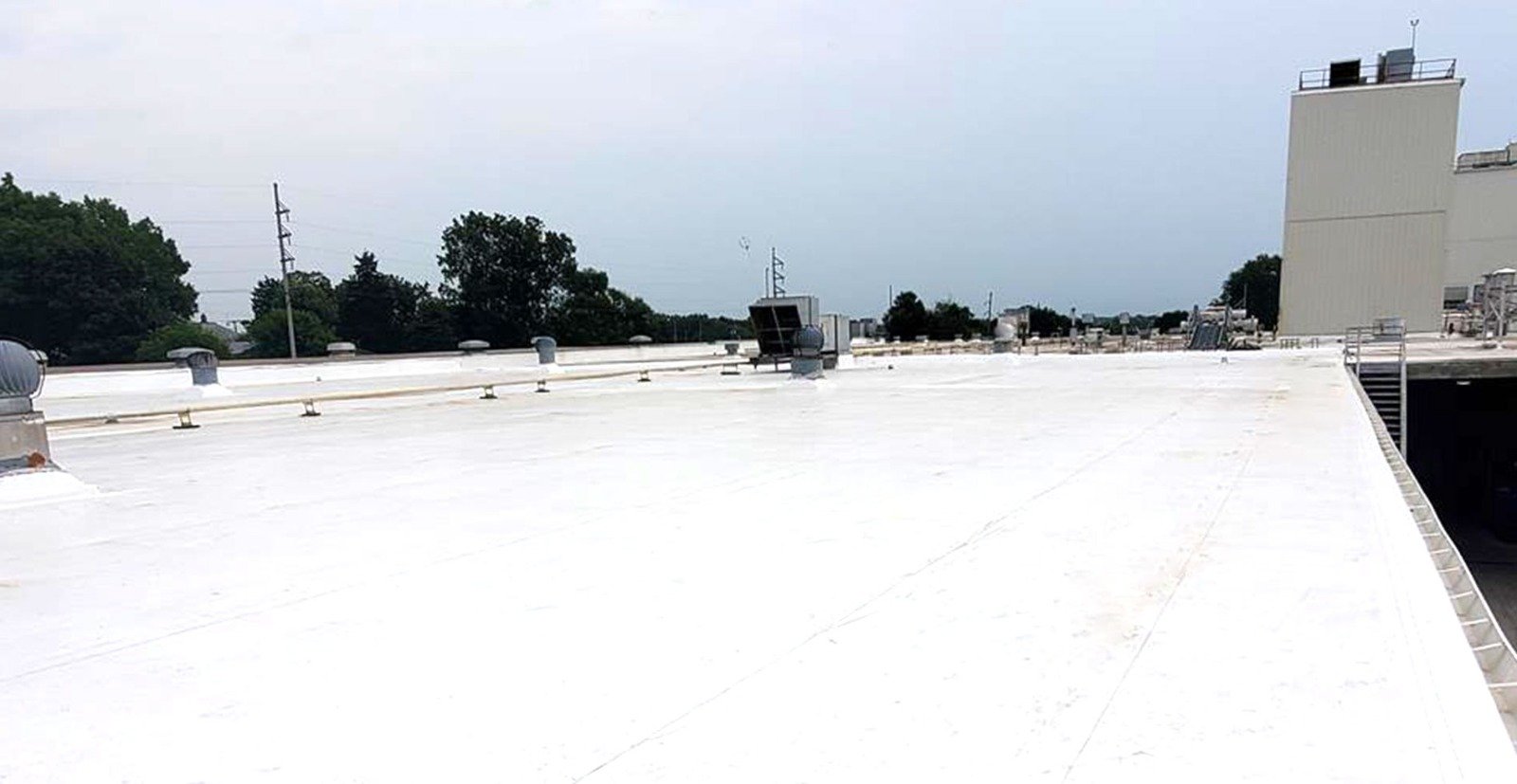
PVC roofing is often selected when property owners need a roof that looks clean, handles moisture well, and supports energy-saving goals. Its reflective surface can help reduce heat absorption, especially during warm months. When seams, corners, drains, edges, and flashing areas are installed correctly, the system creates reliable protection with simple inspection and maintenance needs for long-term roof value.

Types of PVC Roofing System

PVC roofing systems are available in different installation styles, and each type is chosen according to roof structure, building use, insulation needs, wind exposure, and budget. Some systems are fastened with plates and screws, while others are fully bonded with adhesive. The right type helps improve waterproofing, seam strength, energy efficiency, and long-term roof performance on every building project site.
Each PVC roofing type offers its own benefits for different properties. Mechanically attached systems are useful for larger roofs and faster installation. Fully adhered systems provide a smooth finish and stronger surface contact. Fleece-backed PVC adds extra strength, while induction-welded systems improve secure attachment. A roofing expert should recommend the best option after inspection and site planning.

Our Process

Roof Inspection and Planning
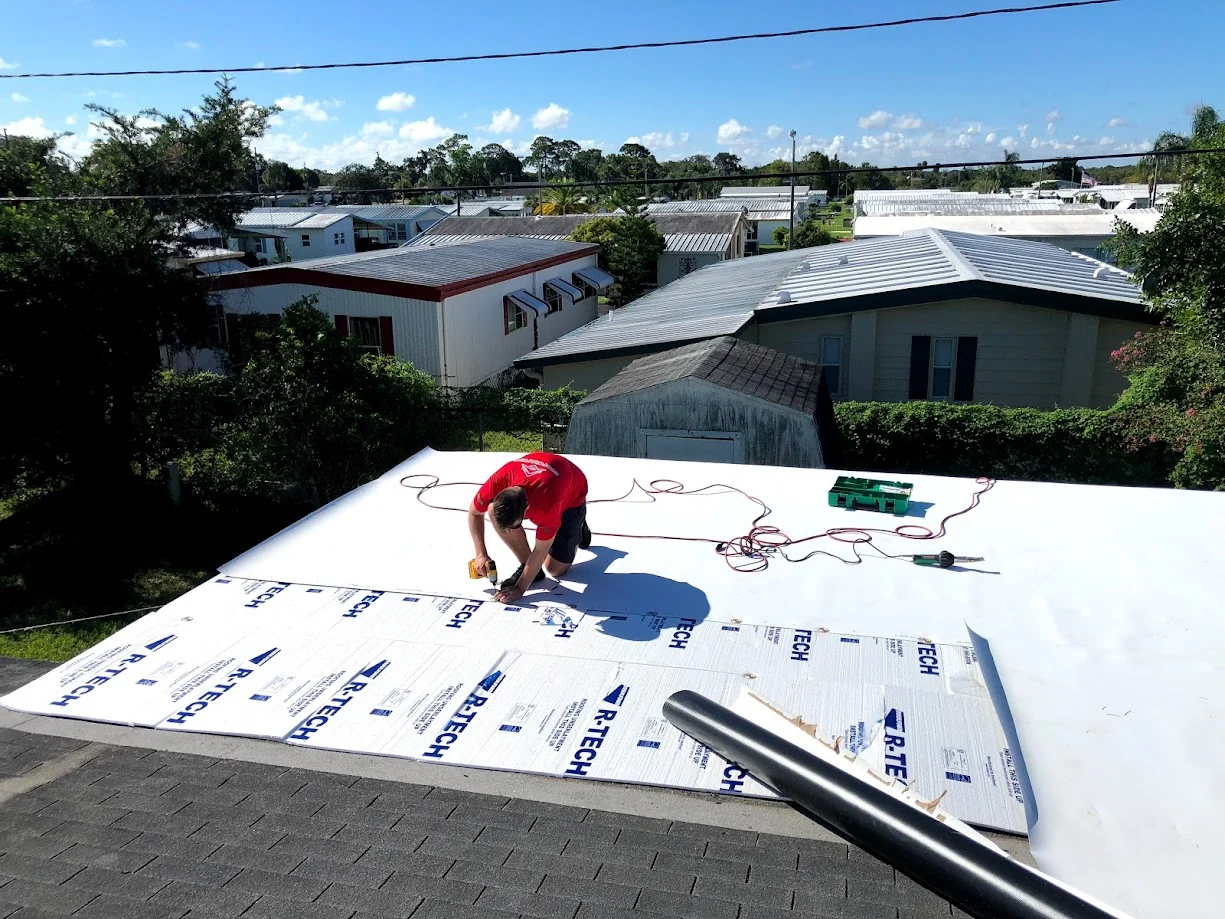
Our process starts with a detailed roof inspection to understand the condition of the existing surface, drainage, insulation, flashing, seams, and weak areas. We check for ponding water, cracks, loose materials, moisture signs, and damage around vents, curbs, and edges. This step helps us decide whether a repair, an overlay, or a full replacement is needed.
 
After the inspection, we recommend the most suitable PVC roofing method, membrane thickness, and project plan. Careful planning reduces unexpected issues and helps create a roofing system that matches the building’s needs, budget, and long-term performance goals for reliable roof protection.

Surface Preparation and Installation

Before installing the PVC membrane, we prepare the roof surface to ensure the system bonds and performs correctly. This may include removing debris, repairing damaged areas, drying the base, adjusting insulation, and making sure the surface is smooth and stable. Proper preparation is important because weak surfaces can affect seams, adhesion, and overall roof life.
 
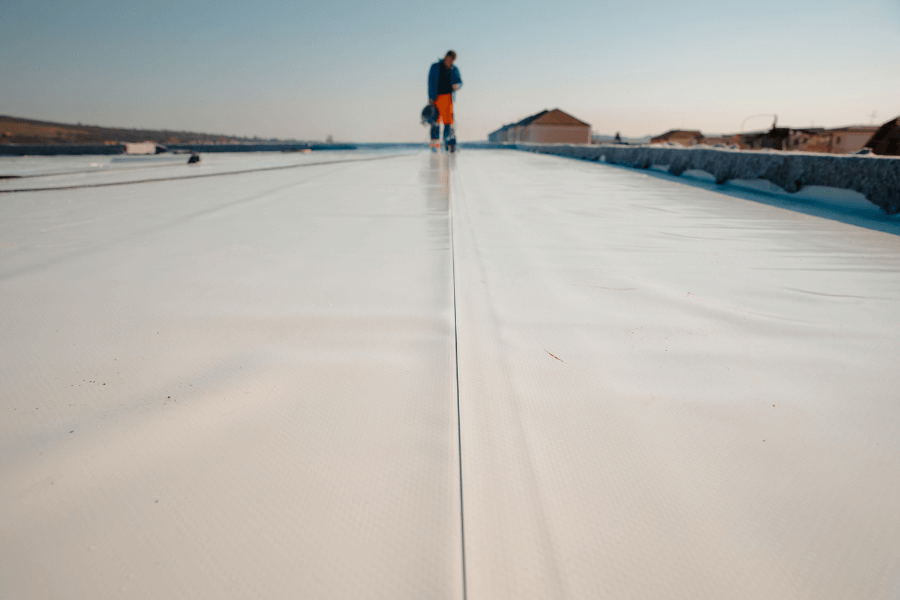
Once ready, we install the PVC sheets using the selected attachment method. We heat-weld seams and carefully seal drains, corners, penetrations, edges, and flashing points to create a clean, watertight, and durable roof finish for daily long-term protection.

Final Inspection and Maintenance Guidance

After installation, we conduct a final inspection to ensure the PVC roofing system is properly sealed and ready for use. We check heat-welded seams, flashing areas, edges, drains, membrane overlaps, and visible surface details for any gaps, wrinkles, weak bonds, or unfinished points. This final check helps confirm that the roof can protect the building against leaks and weather exposure.

We also guide the owner on basic cleaning, inspection timing, maintenance care, and early warning signs, helping the roof perform better for many years with fewer repair problems as seasonal conditions change.

Have a new roofing project?

What can you expect from Markit Roofing?

Markit Roofing offers high-quality and reliable services in the provision of PVC roofing with customer satisfaction. Our skilled workforces lay high quality thermoplastic membranes with state-of-the-art methods to achieve smooth, high-performance outcomes that are immune to chemicals, fire, and weather in addition to enhancing efficiency in energy. With pre-planning and after sales services, you will have a clear line of communication, minimum site disturbance and a sturdy roof that is supported with good warranties.

Durable

Markit Roofing PVC systems are puncture, UV and chemical resistant, heat welded seams made of high-quality 20-30 years of strong protection against harsh forces.

Safe

Our PVC installations focus on fire resistance, self-extinguishing, and safe welding, which forms a safe roofing solution both in the process of application and after application.

Dependable

Our PVC installations focus on fire resistance, self-extinguishing, and safe welding, which forms a safe roofing solution both in the process of application and after application.

Frequently Asked Questions

When correctly erected and maintained, a good quality of the PVC roofing system has a lifespan of 20-30 years, and it can even last up to 35 years, depending on the thickness, climate and care.

PVC has better chemical and grease resistance, flexibility and heat-welded seams than TPO (less expensive but less chemical-resistant) or EPDM (rubber-based, glued seams, lower initial cost at the expense of less reflectivity).

Yes, in many cases overlay when the old roof is solid, dry, and complies with the code we check during consultation so that there are no problems in the future.

<p>Yes, it’s very reflective white coating reflects sunlight, minimizing heat penetration and lowering heating expenses- it often qualifies as a "cool roof" in terms of energy savings and rebates.</p>

PVC is resistant to animal fats, oils, greases, and exhaust or vent chemicals, is fire resistant and is durable therefore useable in food service or in industry application.

Why Choose Us

“At Markit Roofing, we take quality of any project to the next level. We do not compromise and ensure that we have the best in the industry.’’

Our reputation has been increasing over the years. We became part of a small group of roofing contractors in Alberta Roofing Contractor Association in 2016 and our safety record is represented by our Workplace Safety COR designation.

Our highly trained staff will handle any project that you require with professionalism, the safety you require and the quality you desire.

Markit Roofing currently employs more than 250 competent employees and we are big enough to undertake large commercial jobs in Calgary and Edmonton, but at the same time we retain the personal touch which makes us different.

The list of reasons why Markit Roofing is still preferred by businesses in their projects related to roofing and building envelope is endless.

From Planning to Perfection – We’ve Got Your Roof Covered

We will support you in the installation and maintenance of the appropriate roofing solution to your building and your budget.

You can expect:

We will be appointed a project manager who will facilitate you in arranging:

Book a Free Consultation