Residential Roof Installation & Replacements

A new roof is the largest exterior investment most homeowners make, and in the Calgary hail belt, it works harder than in almost any other part of the country. Markit Roofing installs and replaces residential roofs across Calgary and Edmonton, built for the hail, wind, and freeze-thaw cycles that end an Alberta roof before its rated age.

Getting it right is about more than the shingle brand. It is the ice-and-water shield at the eaves, the ventilation that stops attic rain, the flashing at walls and chimneys, and a full tear-off that lets us see the deck. We handle it as one system, and tell you honestly whether your home is ready for a residential roof replacement or has good years left. Book your assessment today.

Residential Roof Installation

Is It Time to Replace Your Roof or Repair It

A roof rarely fails all at once. It gives you warning signs for a year or two at first, and the trick is to read them before a small repair becomes a residential roof replacement forced by a winter leak. Some of these you can spot from the ground; others show up in the attic or the gutters. If several apply to your home, a residential roof inspection settles whether it is time.
Age alone is not the whole story, and steady roof maintenance stretches those years further. An asphalt roof in Alberta typically lasts 15 to 25 years depending on the shingle grade and how much hail it has taken, but a sheltered north slope can outlast a sun-and-hail-battered south slope on the same house by years. We assess each slope on its own rather than condemning or clearing the whole roof on age.

Our Roof Replacement Process

Assess and Plan the New Roof

We start on the roof and in the attic, not with a catalog. Every slope is measured, the pitch and layer count recorded, and the decking checked for soft spots that signal old water damage. In the attic, we look at ventilation and insulation, because a roof that keeps failing early is often failing. After all, the attic was never set up right.
 
That assessment shapes the whole job. A roof with one layer and sound decking is a straightforward residential roof replacement; two layers, or rot at the eaves, needs to be dealt with first. We put the findings in writing so you know what you are paying for.

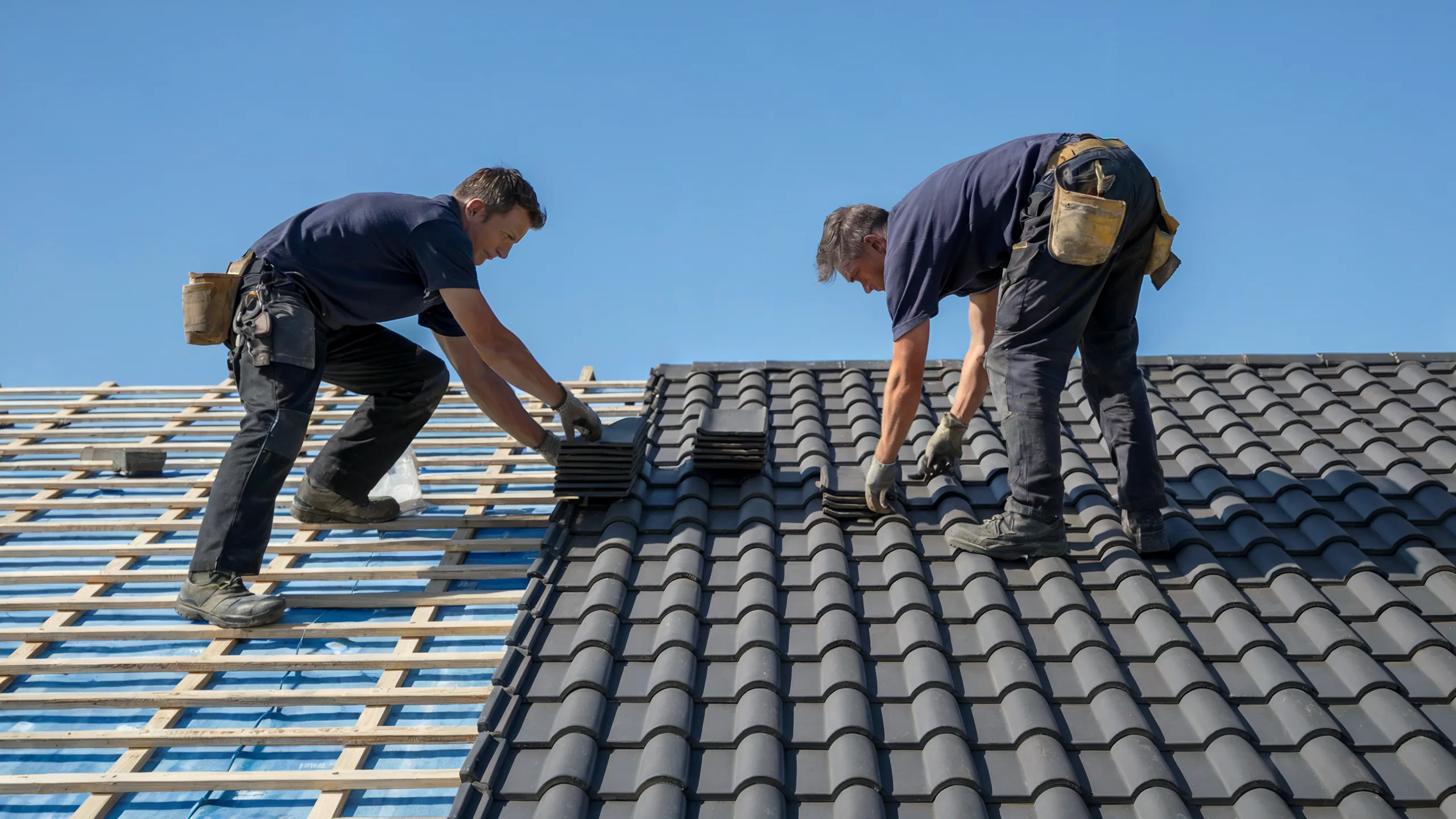
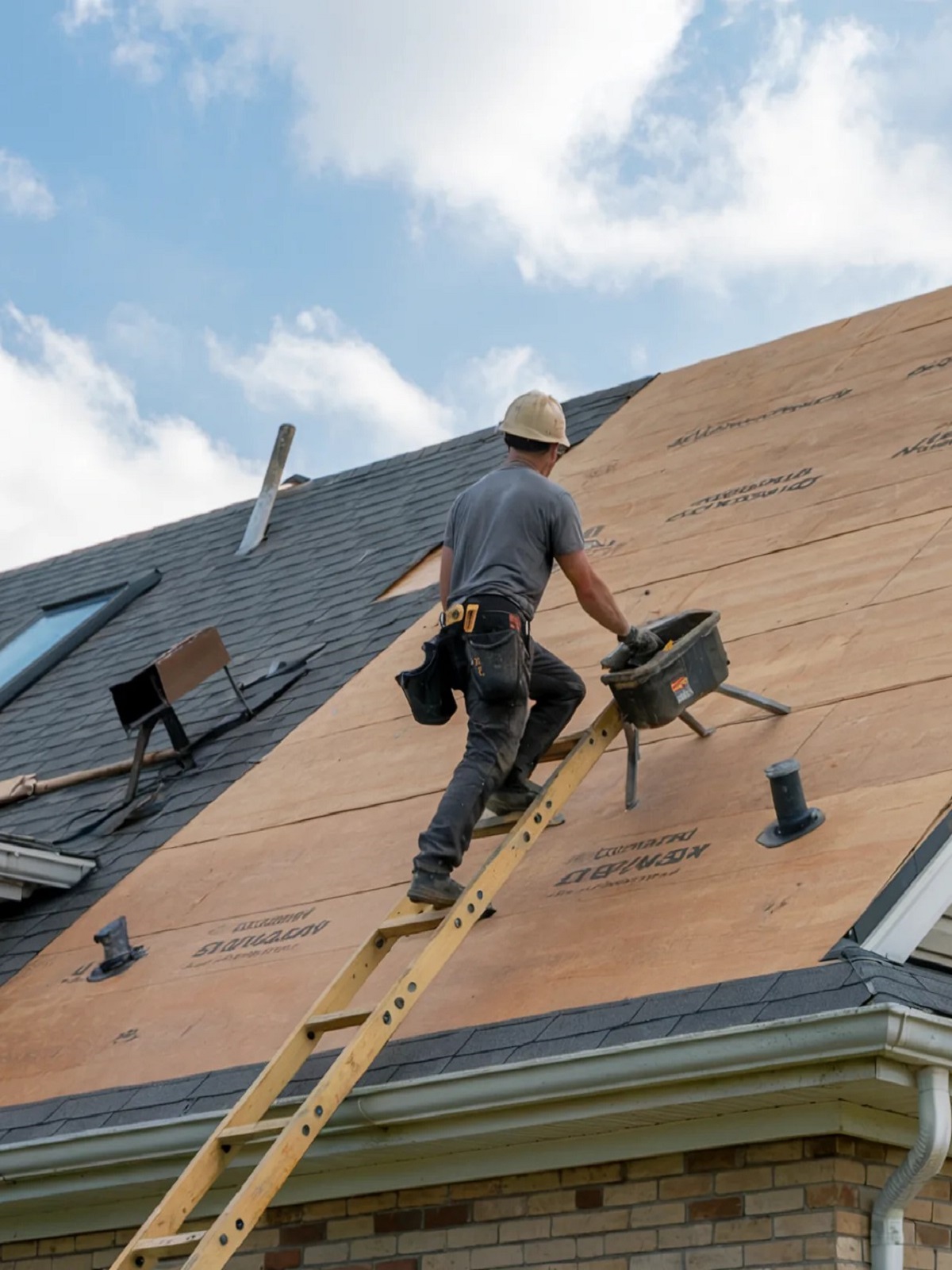
Tear Off Down to the Deck

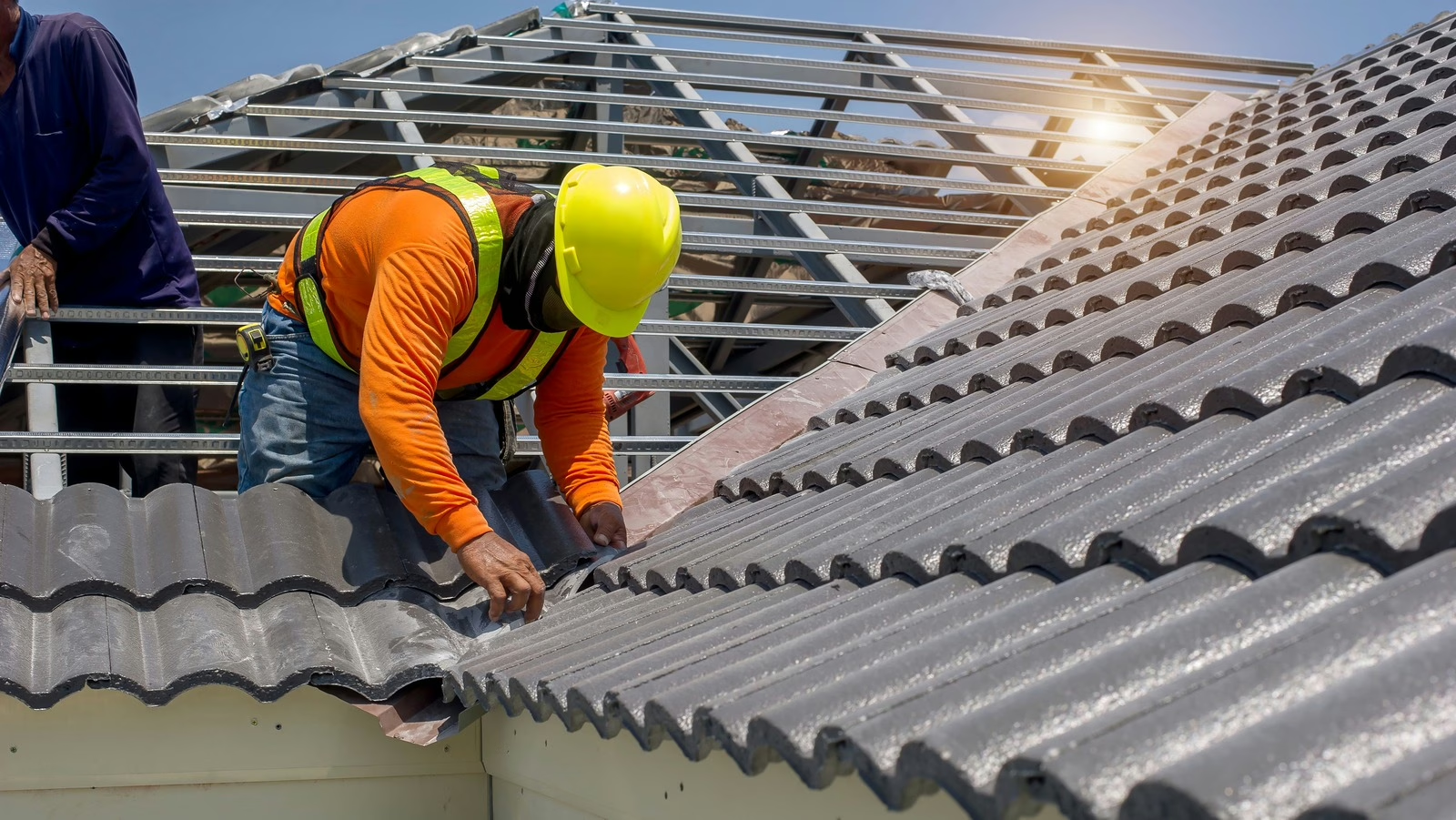
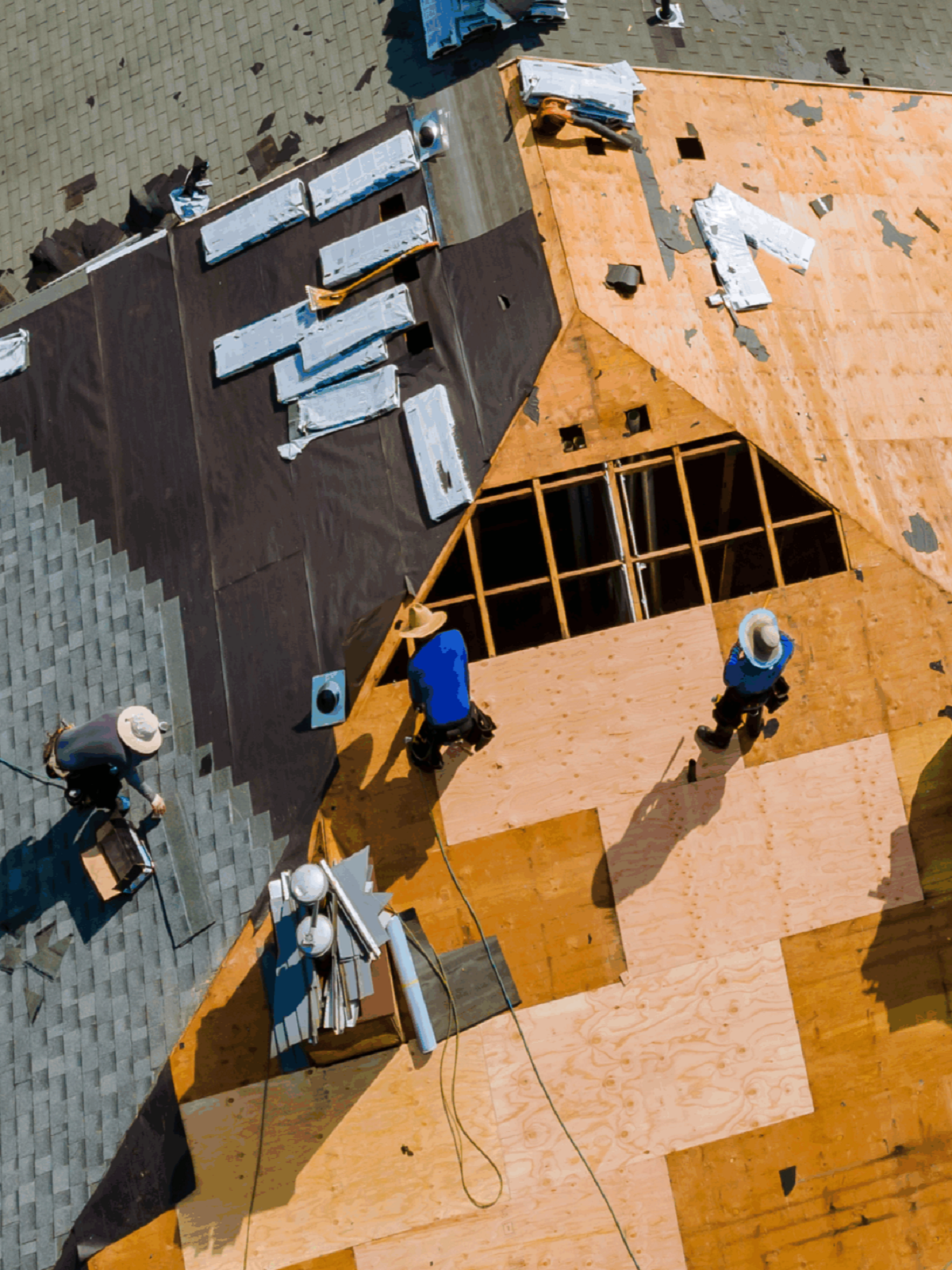
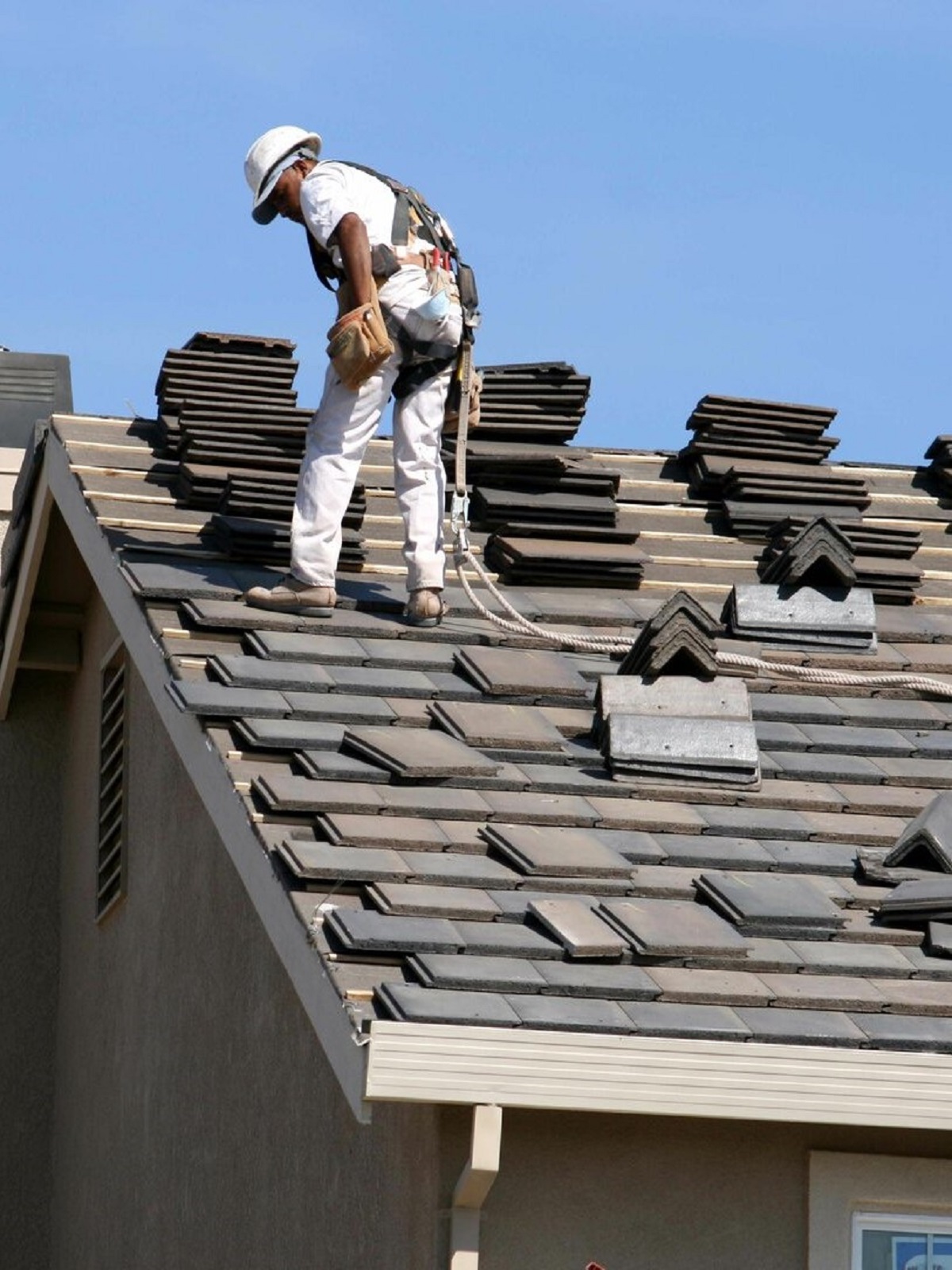
On install day, the old roof comes off completely, down to the bare deck. We never lay new shingles over old ones. A roof-over hides the decking we most need to see, voids most manufacturer warranties, and adds weight the structure was not built to carry.
 
With the deck exposed, we replace any rotten or delaminated sheathing and re-nail loose sections to the rafters. This is the part a roof-over skips, and the part that most often surprises homeowners, because deck damage stays invisible until the old shingles are gone. We show you anything we find before covering it up.
Impact-Resistant Asphalt Shingles

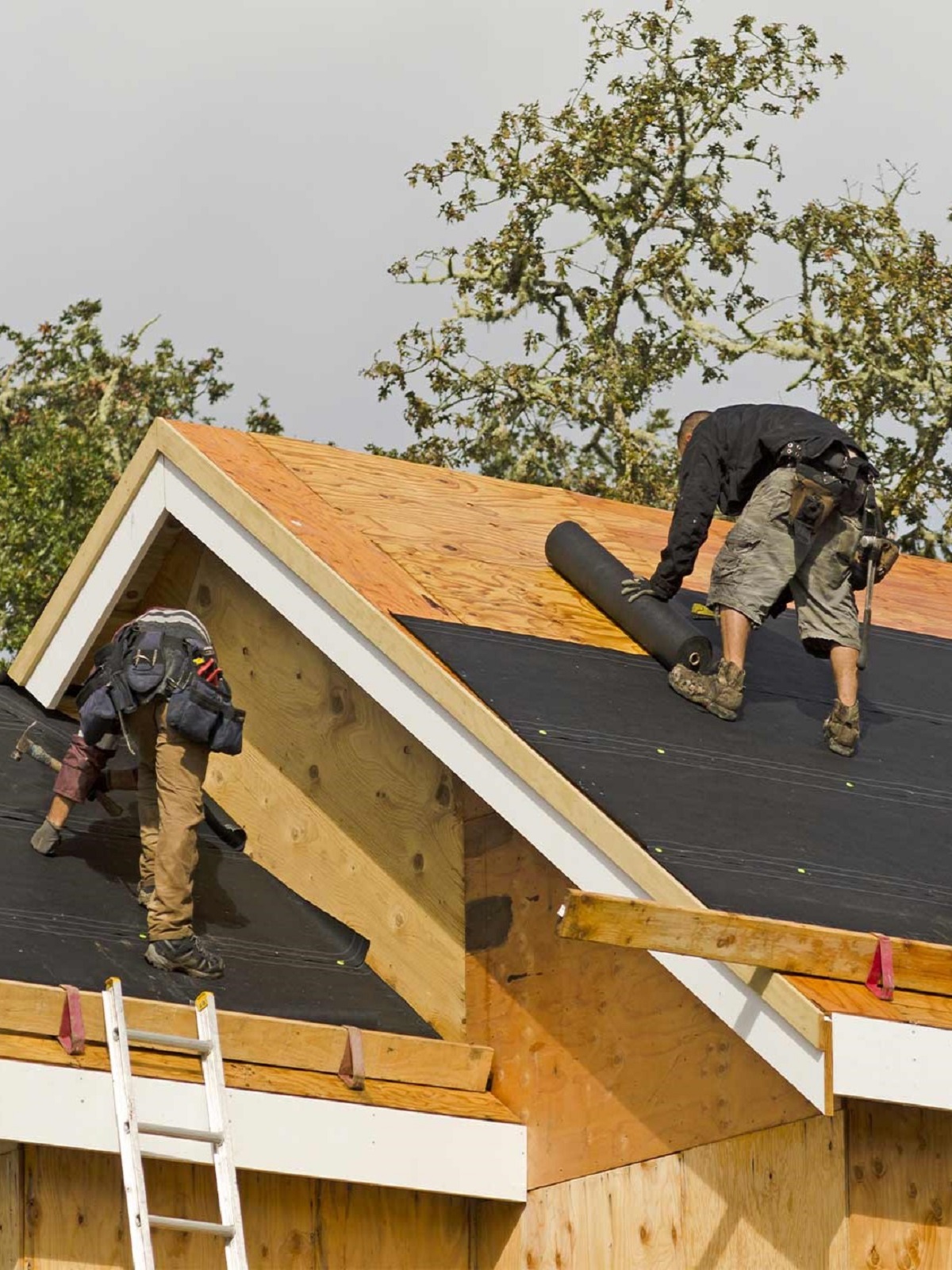
Underlayment and Waterproofing

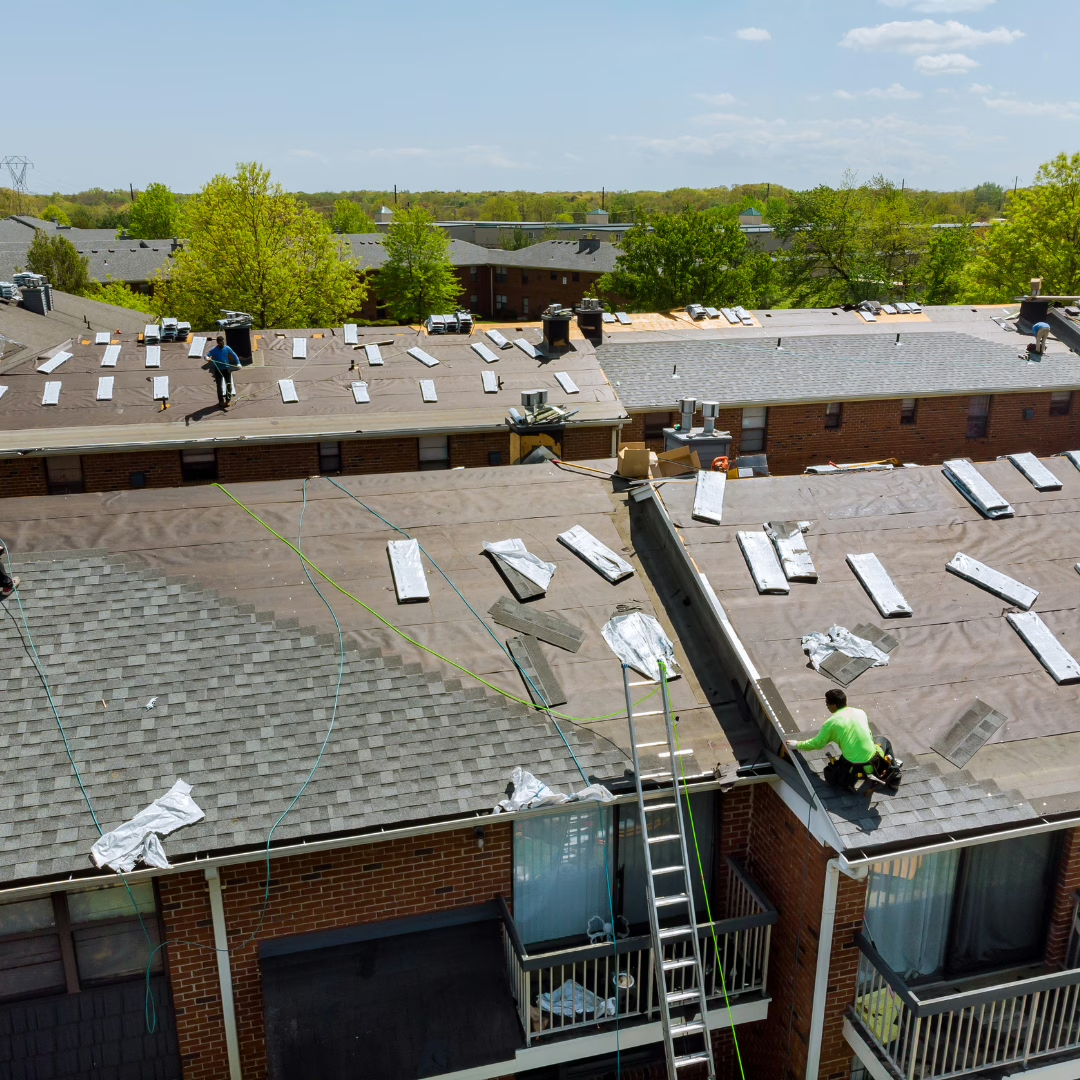
Before a single shingle goes down, we protect the vulnerable areas. Self-adhering ice-and-water shield goes along the eaves, in the valleys, and around every penetration, because those are where Alberta ice damming forces water up under the roof. The Insurance Bureau of Canada recommends this membrane for our climate.
 
Over the rest of the deck we lay synthetic underlayment rather than felt, which resists tearing in wind and does not wrinkle when damp. Together these layers are the roof’s real waterproofing; the shingles above are the wear surface that takes the weather.

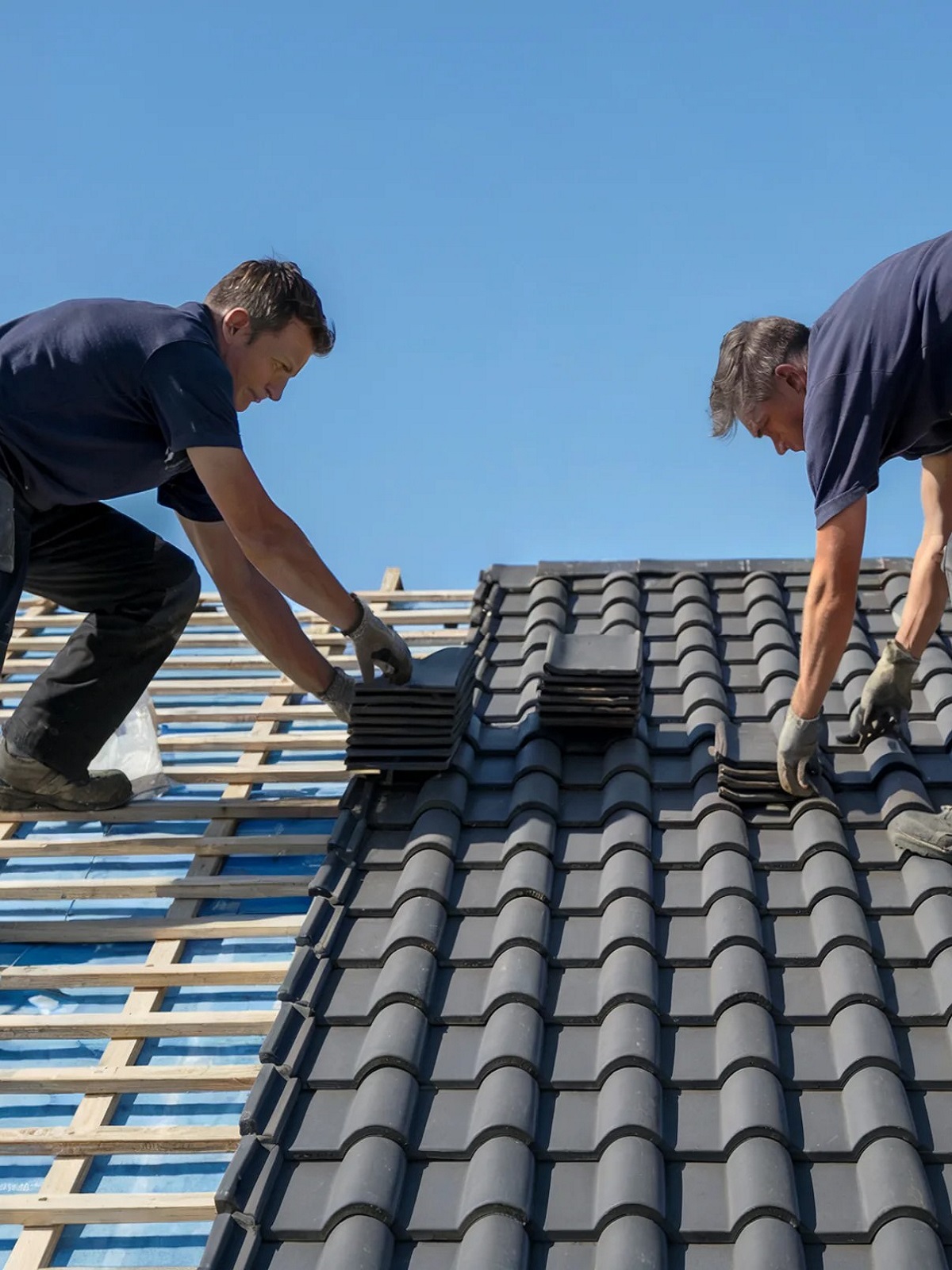
Shingles, Flashing, and Vents

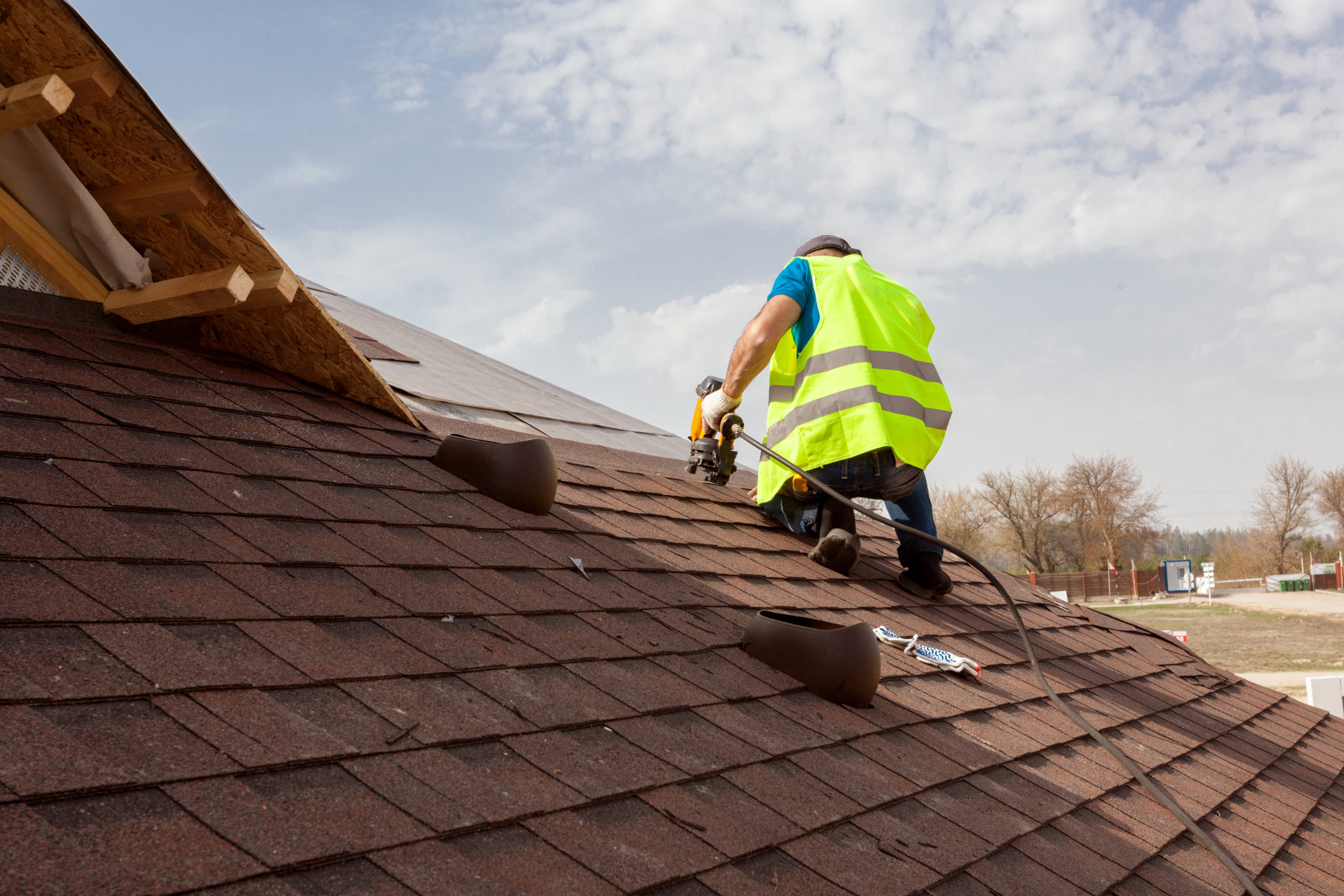
Now the visible roof goes on. Shingles are laid to the manufacturer’s nailing pattern, which matters more than homeowners realize: a shingle nailed too high or with too few fasteners is the commonest reason a roof blows off in a Chinook. We set the guns to seat nails flush without cutting the shingle.
 
Flashing and ventilation finish the system. We install new metal flashing at walls, chimneys, and valleys rather than reusing old, and balance intake and exhaust so the attic stays cold and dry. Proper ventilation prevents attic rain and ice damming that shorten so many Alberta roofs.

Have a new roofing project?

Roofing Materials We Install on Alberta Homes

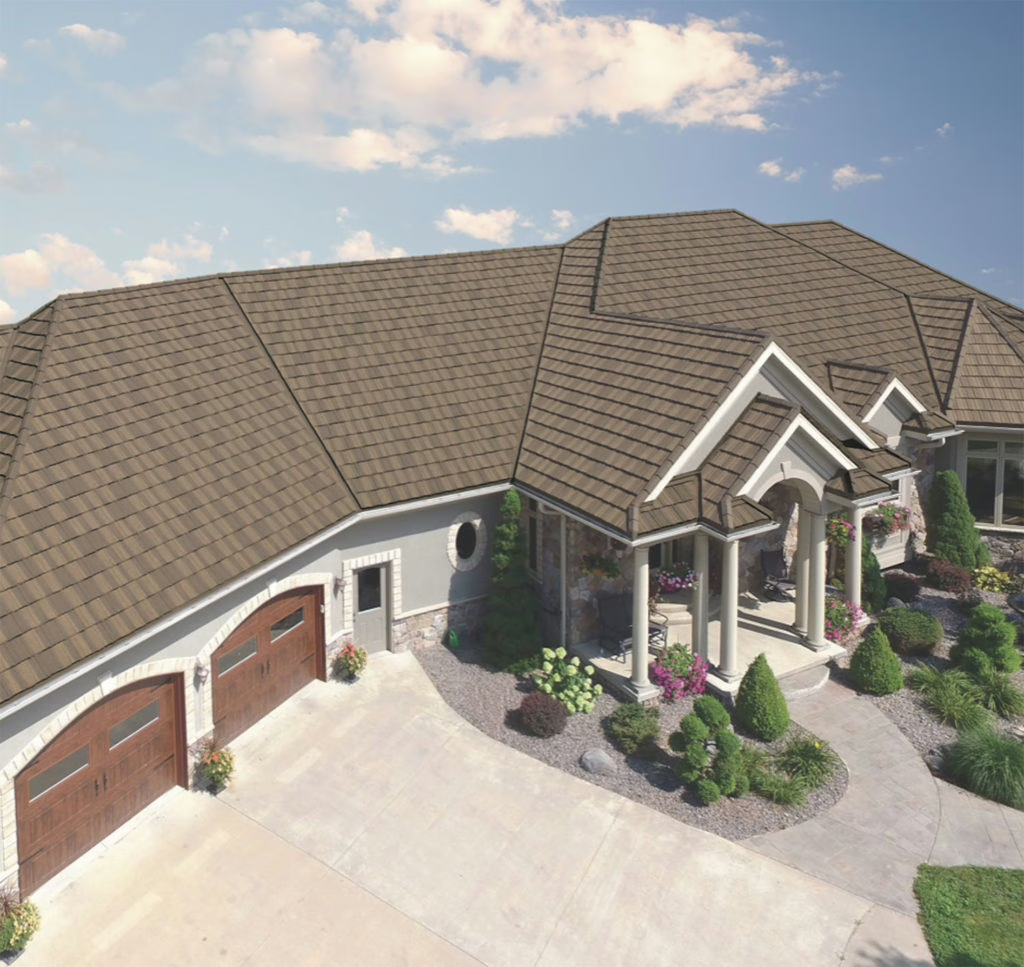
Architectural asphalt shingles are what most Alberta homes use, and for good reason. They are heavier and longer-lasting than the old three-tab style, carry strong wind ratings, and come in a wide range of colors and profiles that suit everything from a bungalow to a two-story. On a typical home, they balance lifespan, appearance, and value better than anything else, which is why they remain the default choice across Calgary and Edmonton. We install premium lines with reinforced nailing zones that resist the blow-offs Chinook winds cause in lesser shingles.
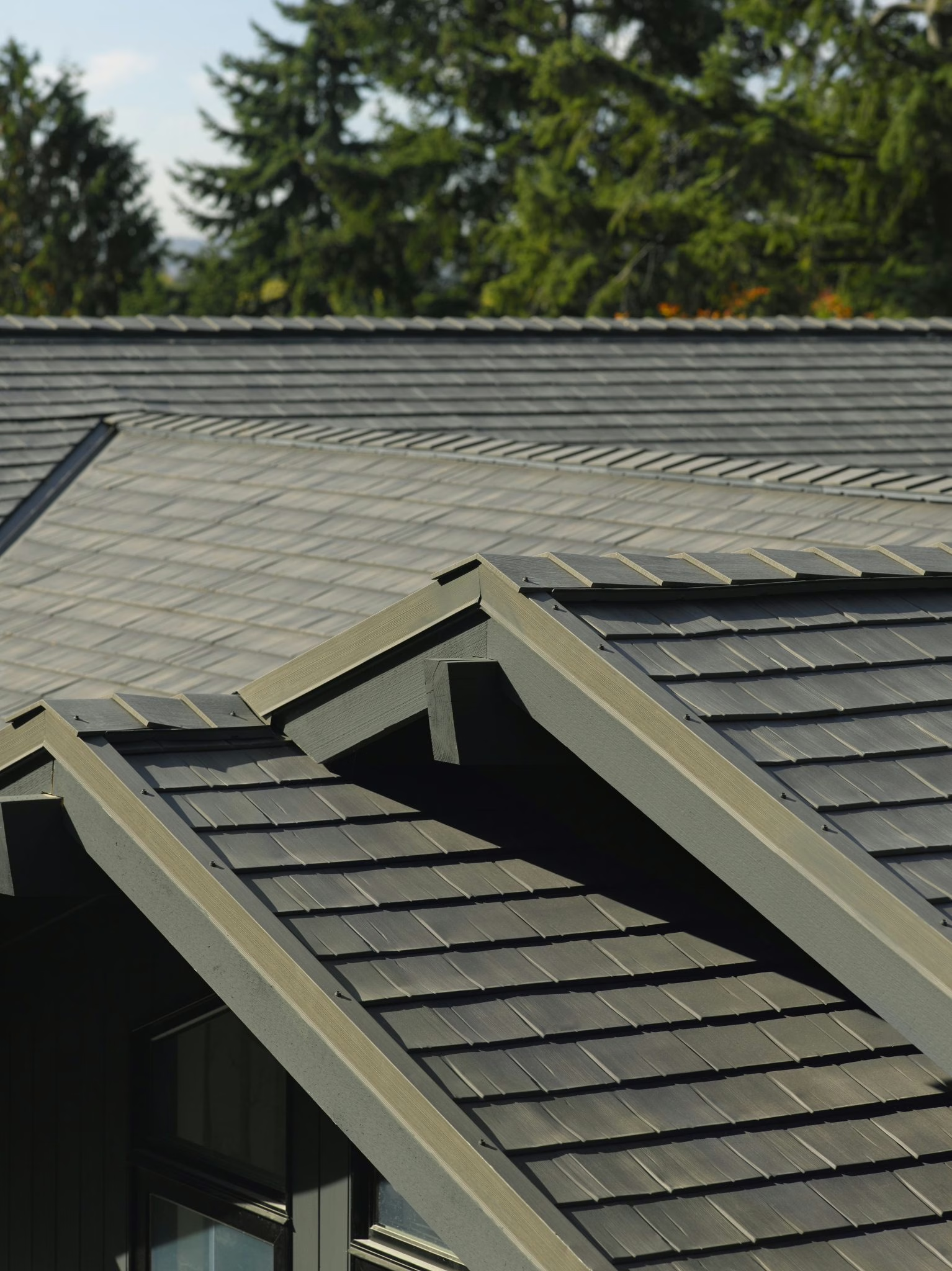
Class 4 impact-rated shingles are the sensible default in Calgary’s hail belt and, increasingly, across Edmonton as well. To earn the UL 2218 rating, a shingle must withstand a 2-inch steel ball dropped from 20 feet without cracking, and better products also maintain their seal through repeated freeze-thaw cycles. The real advantage is with your insurance: most Alberta insurers recognize a Class 4 roof and offer better terms, and if hail has already caused the damage, a roof insurance claim may fund the upgrade. We fit locally made options rated to withstand extreme prairie wind.
Standing seam metal is the long-life choice, and it has been gaining ground fast on Alberta homes. The panels shed snow cleanly, shrug off hail with only cosmetic denting at worst, and routinely last 40 years or more where asphalt manages 20. The concealed fasteners mean nothing exposed to corrode or work loose. It is a larger upfront investment than shingles, but on a house the owner intends to keep, the lifespan and near-zero maintenance often make it the better long-term decision for the climate here.
Rubber and synthetic shingles round out the options for homeowners after something specific. Rubberized asphalt products, some made here in Alberta from recycled material, offer excellent impact resistance and a distinctive look. Synthetic slate and cedar-look shingles give the appearance of premium materials at a fraction of the weight, so they suit homes whose structures cannot support real slate. We talk through where these make sense and where a good architectural or Class 4 asphalt roof serves you better with less upkeep over its life.

What a Markit Roof Replacement Includes for You

A residential roof replacement lives or dies on the details underneath the shingles, and those details are exactly where the pressure to cut corners is greatest. Markit Roofing applies the same standard to the parts you cannot see as to the parts you can, across Calgary and Edmonton, because those hidden layers determine whether your new roof reaches its rated lifespan.

Full Tear-Off, Never Roof-Over

Laying new shingles over old ones is the fast way out, and we will not do it. A roof-over hides the decking, traps heat that ages both layers, adds weight the trusses were not designed for, and voids most manufacturer warranties. Every roof we replace is stripped down to the bare deck, which is the only way to inspect the sheathing, correct what needs correcting, and give you a warranty that will actually be honored.

Ice and Water Shield at Eaves

Ice damming is the defining roof problem in Alberta, and the eaves are where it does its damage. We run self-adhering ice-and-water shield along every eave, up the valleys, and around penetrations, going well beyond the minimum on low-slope and north-facing sections that ice up worst. This membrane seals around the nails driven through it, so even when meltwater backs up under the shingles, it has nowhere to get in.

Attic Ventilation Done Right

More Alberta roofs are killed by bad ventilation than by bad shingles. An attic that runs warm melts snow unevenly and drives the ice damming and attic rain that rot decking from beneath. We balance intake at the soffits with exhaust at the ridge so the attic stays cold and dry all winter, sizing it to the actual attic volume rather than just adding a vent and hoping. It is the least visible part of the job and one of the most important.

Red Seal Installation Crews

Every residential roof replacement we do is installed by trained roofers who do this every working day, not a seasonal crew assembled for hail season. That consistency shows in the details that determine how long a roof lasts: nailing lines kept straight and to pattern, flashing formed rather than caulked, and valleys woven or cut cleanly. Experienced hands are what turn good materials into a roof that reaches its full lifespan instead of failing early.

Manufacturer System Warranties

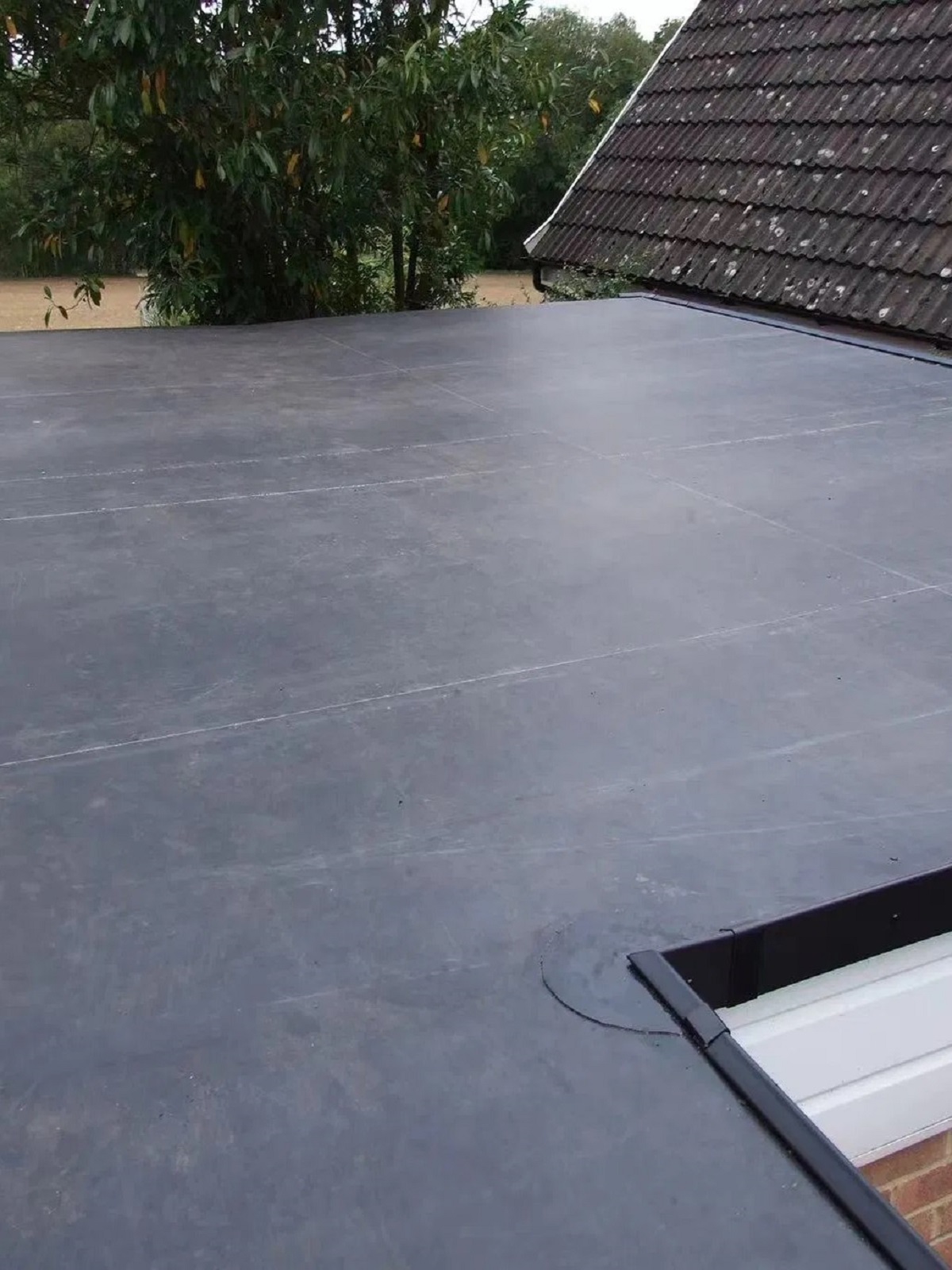
Modified Bitumen or Rubberized Membranes
The manufacturer’s warranty on a shingle only applies if the whole system is installed to their specifications, and most roofs never qualify. Because we install the underlayment, ventilation, and accessories as a matched system, your roof is eligible for the full system warranty rather than the basic material-only coverage. We register it for you and hand over the paperwork, so the coverage is real and documented rather than assumed.

Book a Free Consultation