Commercial Roof Inspection & Leak Detection Service

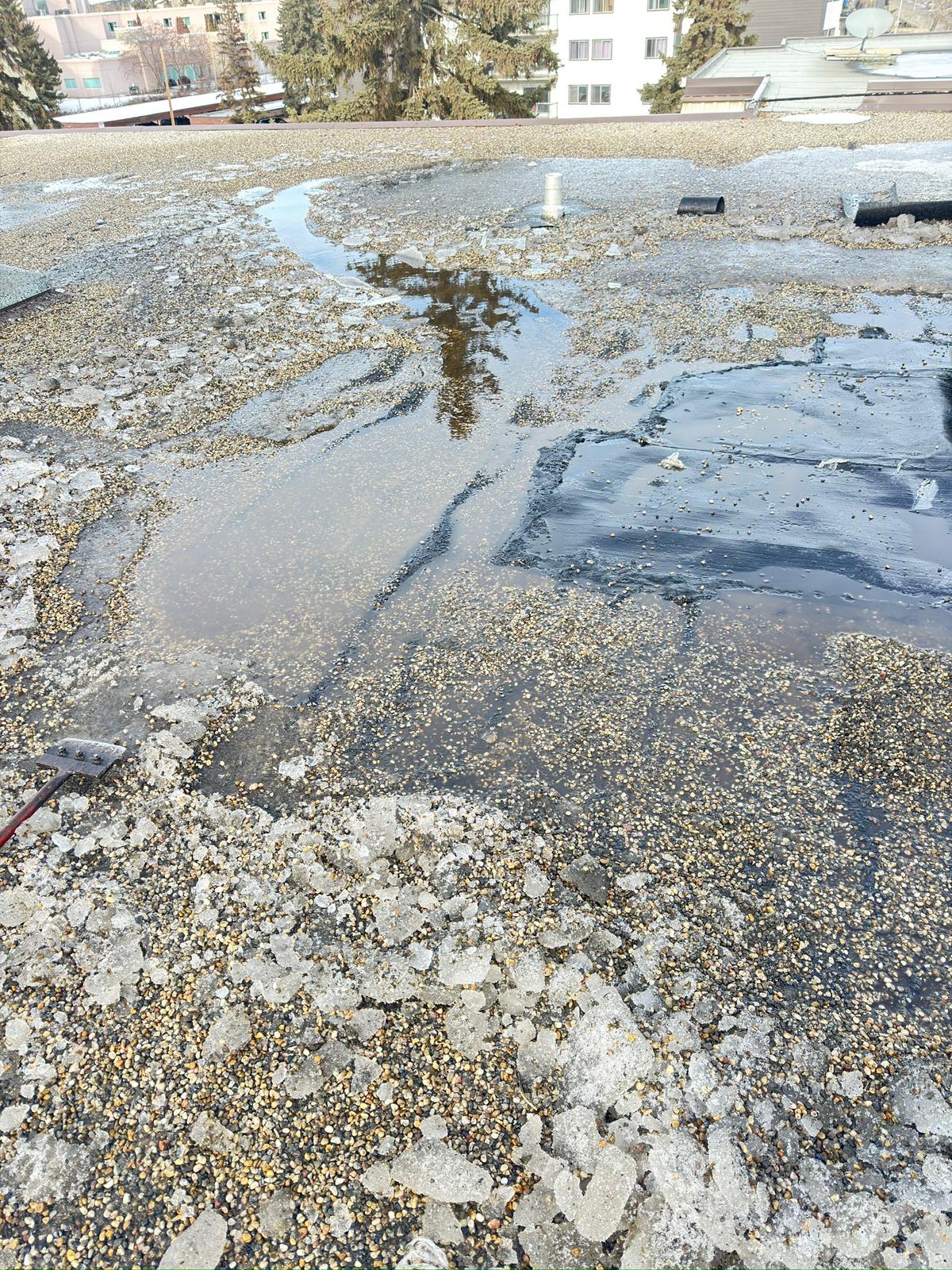
By the time a brown ring appears on a ceiling tile, water has usually been moving through your roof for weeks. On a commercial building, where it drips inside, it is rarely where it got in. Commercial roof inspection and leak detection closes that gap, finding the real source before damage spreads through insulation and decking.

In Alberta, hidden moisture is especially punishing. Water trapped in a roof assembly freezes, expands, and tears the layers apart over a single winter. A careful inspection catches that trouble early, while it is still a single flashing detail to fix, not a soaked, sagging roof section to rebuild.

The Leak You See Is Rarely Where It Starts

  • Inspection and leak detection give you a clear read on roof condition and the exact source of any water entering. You need it after a hailstorm or high wind, when a stain keeps coming back, before you buy or sell a building, when a warranty requires proof of upkeep, and ahead of winter, while repairs are still easy.
Finding the symptom is easy; finding the source takes method. Water can enter at a failed seam, travel along the decking, and surface several metres away. We separate where the water shows from where it actually starts, so the repair fixes the cause. You leave with a clear picture of what is wrong and what it will take to put it right.

From Visual Survey to Confirmed Source

Visual Survey of Roof and Interior

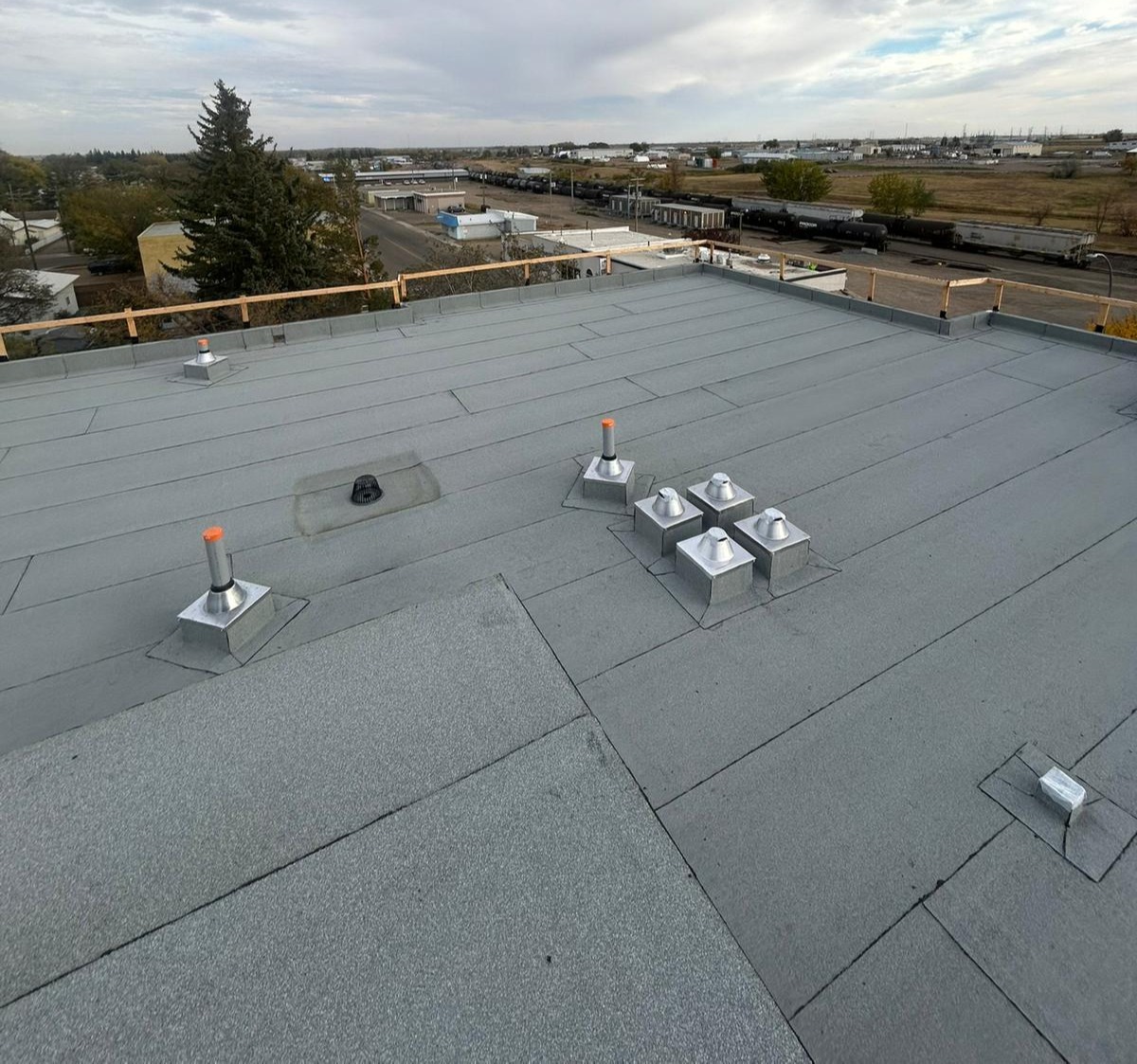
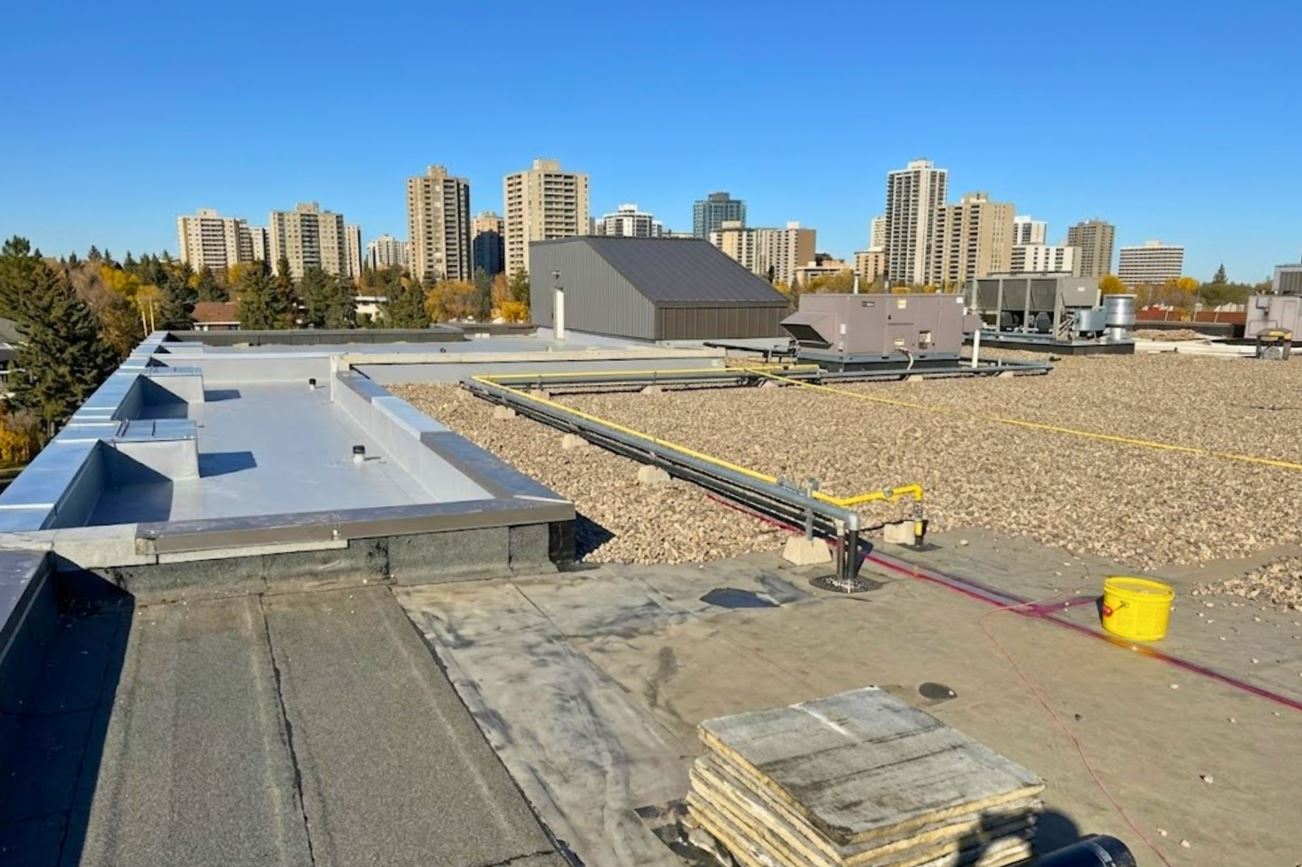
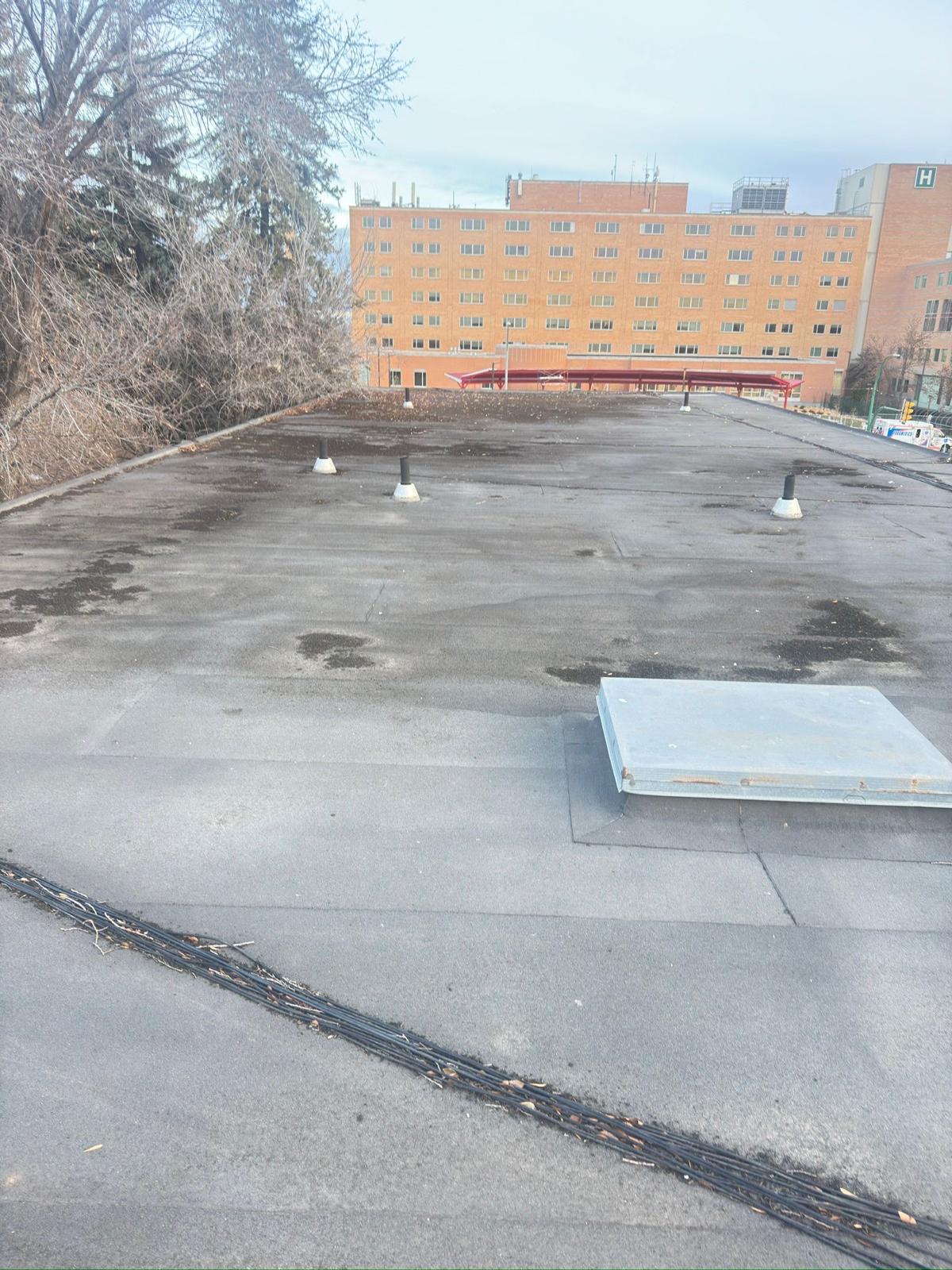
We start where most problems show themselves. On the roof, the crew checks the membrane field, seams, flashing, penetrations, curbs, and drains for splits, lifting, and wear. Inside, we inspect ceilings, walls, and any accessible deck or attic space for staining, moisture, and corrosion.
 
Reading both sides together matters because the inside clue often points to the rough area, while the roof shows the actual breach. This first pass tells us where to focus the detection tools and saves you from paying for guesswork on a large roof.

Moisture Mapping and Thermal Scanning

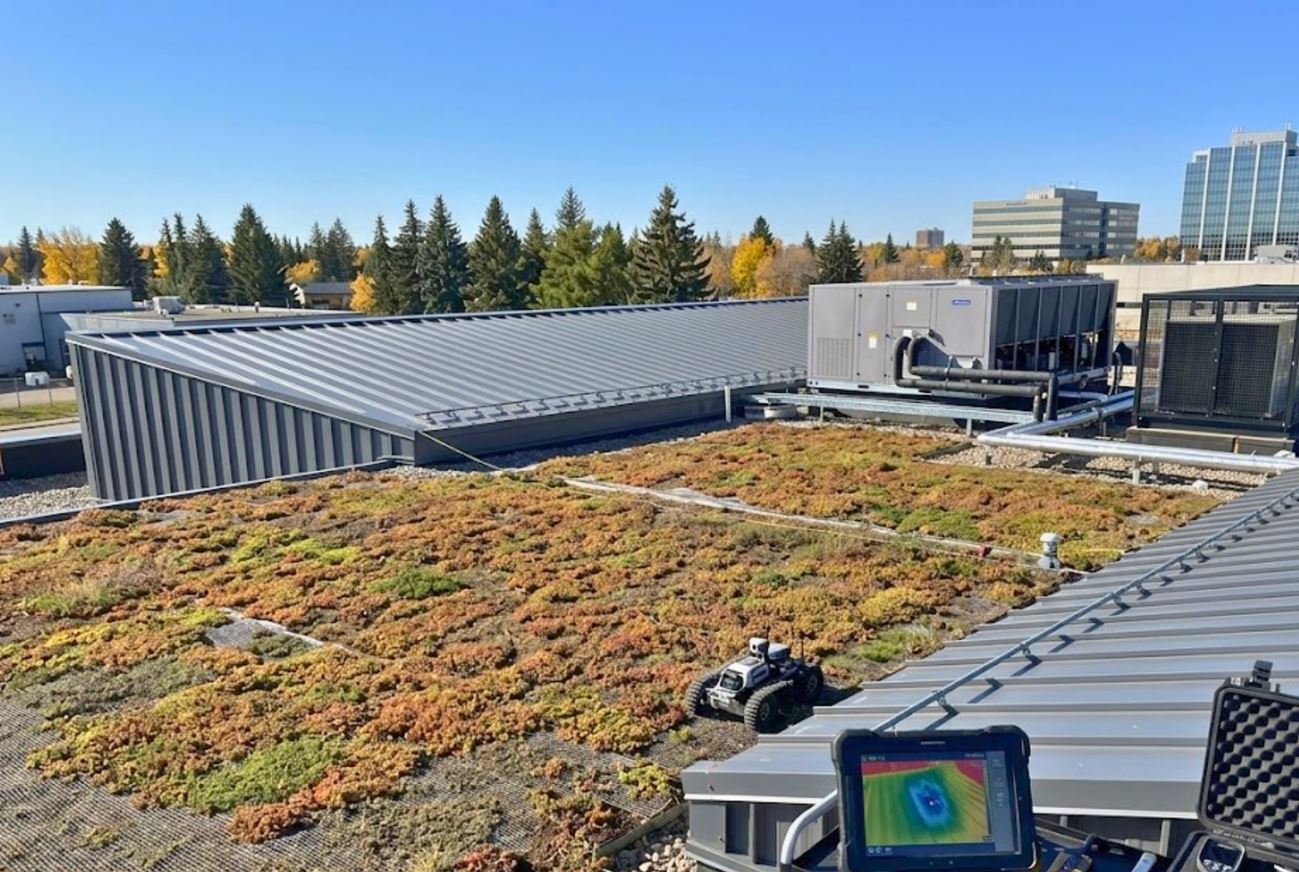
Some water hides under the surface where no walk-around will find it. We use infrared thermal imaging to spot temperature differences that reveal wet insulation, and moisture meters to confirm those readings on contact. On larger flat roofs, this mapping shows the full footprint of a saturated area rather than a single drip point.
 
Knowing the true extent changes the plan: a small, isolated patch may only need a targeted repair, while a wide, wet zone indicates the insulation is compromised, and a section may need to come out. Data beats assumption here.

Tracing the Path Water Travels

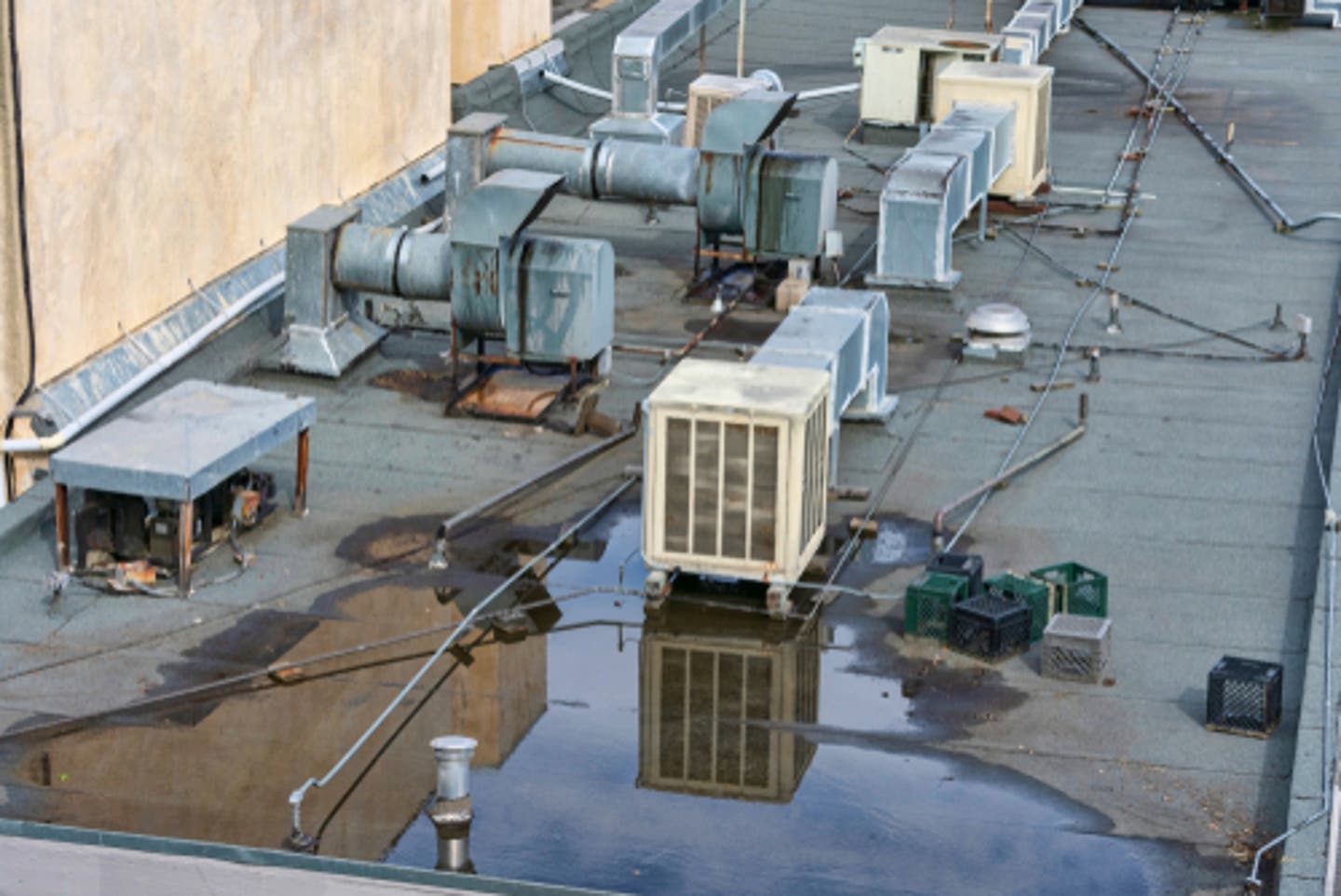
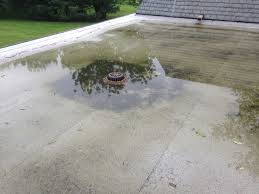
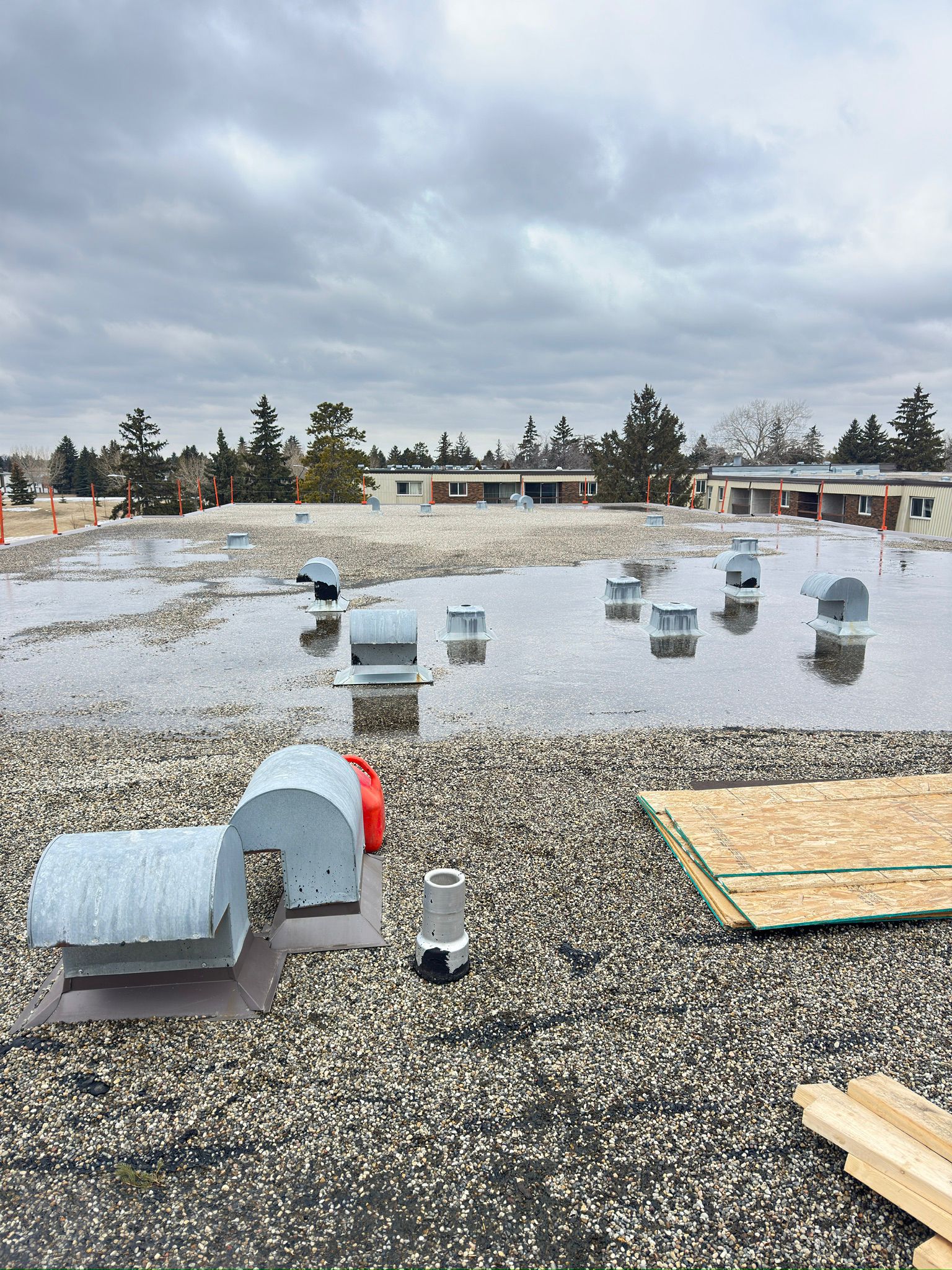
Water rarely falls straight down. Once through the membrane, it runs along the slope of the deck, follows seams and conduit, and pools at the lowest point it can reach before dripping inside. That is why the interior stain can sit far from the breach.
 
We work backward from the symptom, checking uphill details, penetrations, and laps until the entry point is confirmed, sometimes with a controlled water test to prove it. Pinning down the true source is the whole job. Without it, a repair just moves the leak to a new location.

The Findings You Receive

You finish with a written report, not a verbal shrug. It lays out what we inspected, photos of each problem, the confirmed leak source, and a ranked list of what needs attention now versus what can wait. Where a repair is needed, you get a clear scope and honest pricing, with no pressure to sign on the spot.
 
If you are filing an insurance claim or protecting a warranty, the documentation is built to support it. The goal is simple: you understand your roof and can make the next decision with facts.

Have a new roofing project?

Why Method Matters More Than a Quick Look

Different membranes fail in different places, and knowing the pattern speeds up detection. On TPO and PVC, the weak points are heat-welded seams and the flashings around penetrations. EPDM tends to leak at adhered laps and at shrinking details near the edge. SBS and built-up roofs show trouble with blisters, splits, and tired base flashing, while metal roofs leak at fasteners, laps, and end terminations. We bring this pattern to your specific roof, so the search starts at the details that fail first rather than probing everywhere at once.
A trained eye finds a lot, but some problems only show up with the right equipment. Infrared cameras detect the heat emitted by trapped moisture, revealing wet insulation beneath an intact-looking surface. Moisture meters provide direct readings for those areas. For stubborn cases, a controlled flood or spray test recreates the leak under watch so the exact entry point is no longer a guess. These methods turn a vague complaint into a marked location on a drawing. That precision is what keeps the eventual repair small, targeted, and lasting.
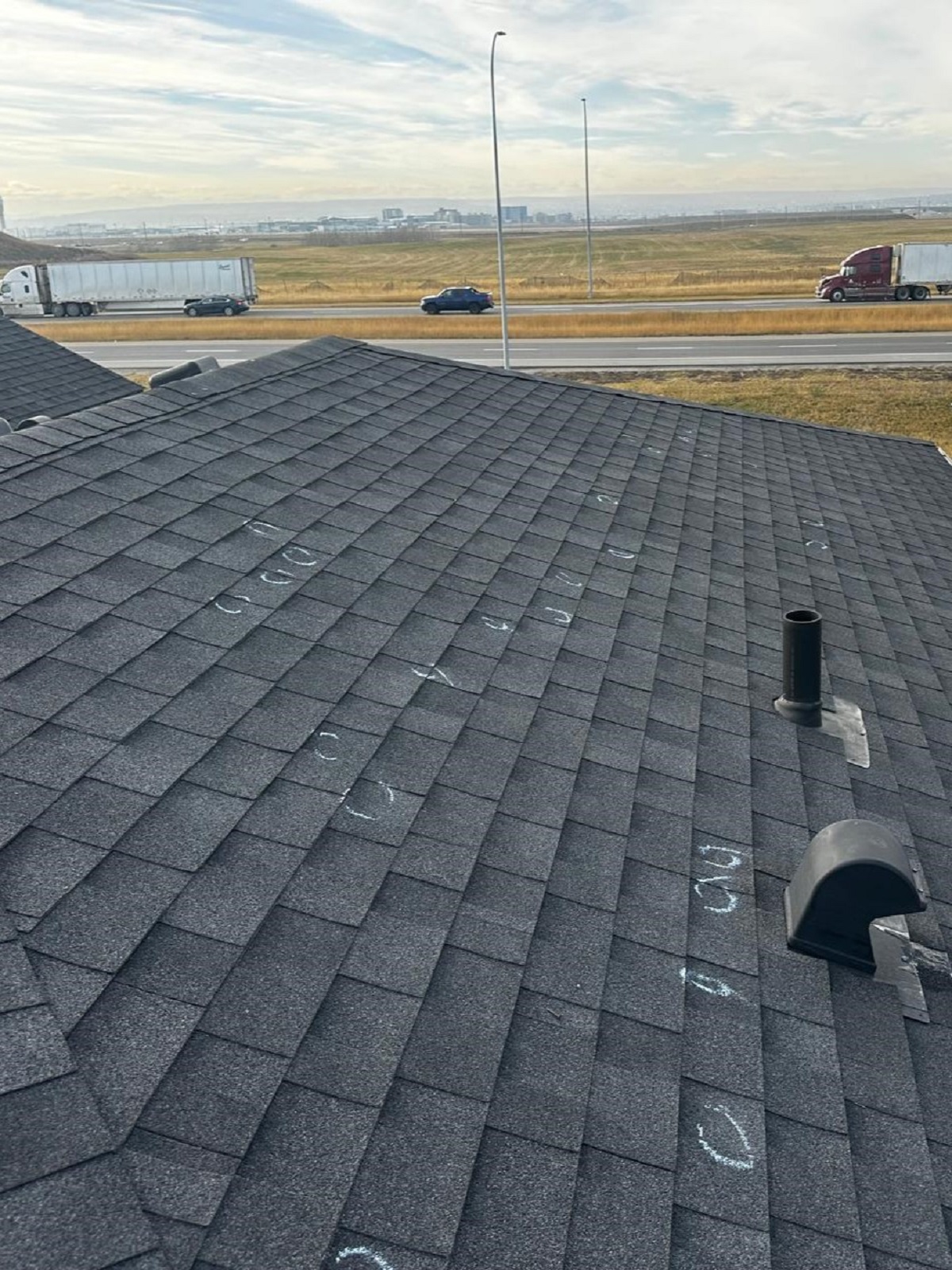
Alberta storms do quite a lot of harm. Hail can bruise a membrane without puncturing it, weakening the spot so it splits months later. High winds lift flashing and loosen fasteners that look fine from the ground. The danger is timing: if that damage goes unfound before the cold, water gets in, freezes, and a hairline becomes a tear by spring. A post-storm inspection catches bruising, lifted edges, and stressed seams while they are still cheap to fix. It also gives you dated evidence if the damage is worth an insurance claim.
When a roof claim is on the line, the report does the heavy lifting. Insurers want to see clear cause, dated photos, and a credible scope, not a vague note that the roof leaks. Our findings spell out exactly what failed, where it failed, and how, with images tied to each location and a straight account of storm versus wear. Markit has documented Alberta roofs since 2013, and that habit of detailed recording is what supports a claim or a warranty file. Good paperwork will not stop a leak on its own, but it can decide who ends up paying for it.

Knowing Where Your Roof Stands

An inspection is most useful when it fits how you actually run the building. The points below cover what owners and property managers weigh once a leak is found, or a purchase is looming: how often to check, what an inspection means before a sale, why early detection pays off, how methods vary by roof type, and what most often lets water in.

Recommended Inspection Frequency for Alberta Roofs

For most commercial roofs here, twice a year is the baseline: once in spring to assess what winter did, and once in fall to confirm everything is sound before the cold returns. On top of that, book a check after any major hail or wind event, since storm damage often hides until it leaks. Older roofs and those with a history of problems may warrant a closer eye. Consistency is what makes inspection pay.

Inspections Before Buying or Selling a Building

A roof is one of the most expensive systems on a commercial property, so its condition should be included in any transaction. Before you buy, an inspection tells you whether you are inheriting years of service or a near-term replacement, which is real leverage in a negotiation. Before you sell, a clean report removes a common sticking point. Either way, you trade a surprise for a known number, and you decide with facts instead of hope.

Why Early Detection Saves the Most Money

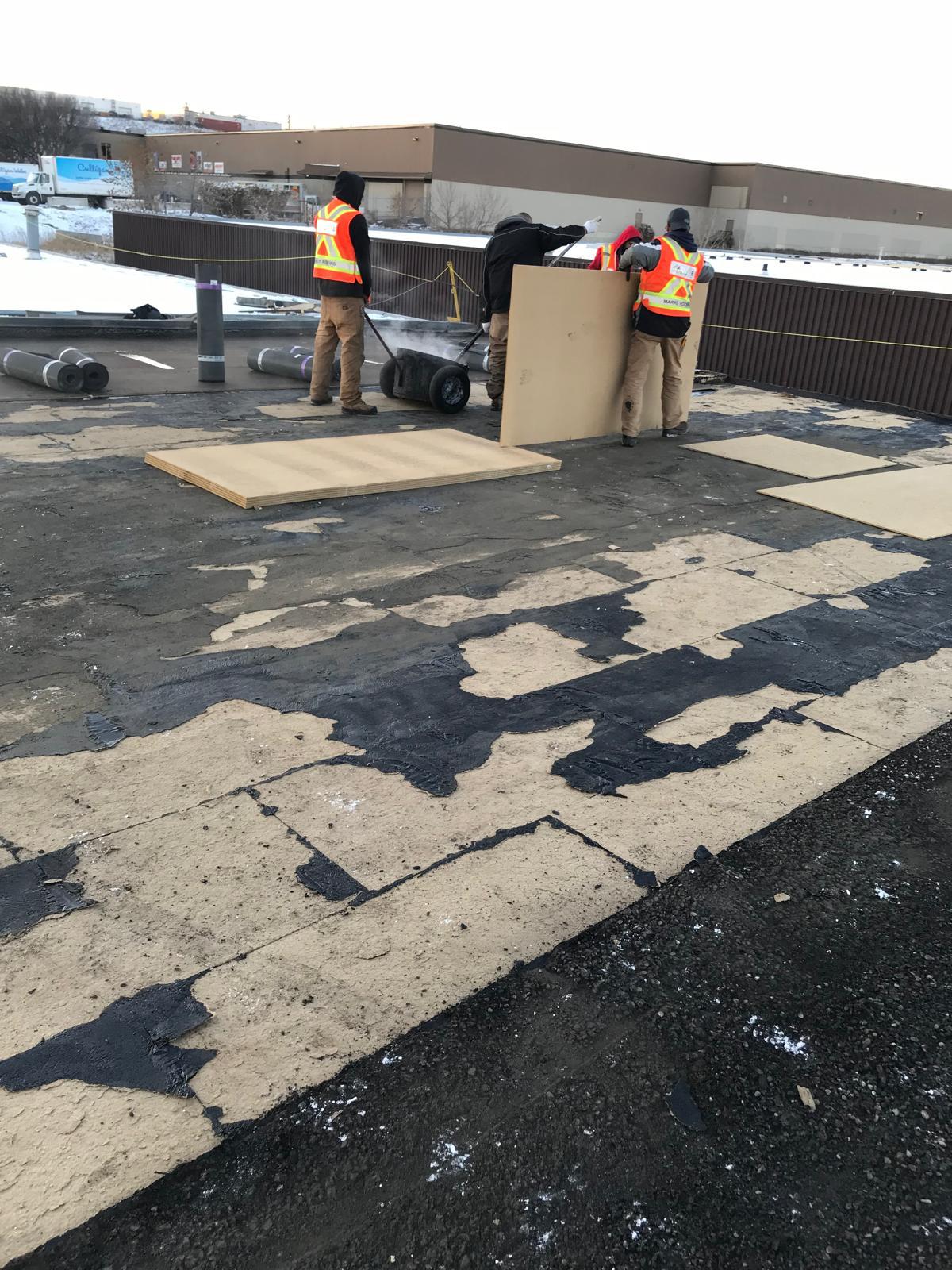
The cost curve for a roof leak is steep. A seam caught early might be a same-day seal; the same seam found after a winter of freeze-thaw can mean wet insulation, a rotted deck, and a section torn off and rebuilt. Add the interior damage, ruined stock, and disrupted operations, and the gap widens still further. Detection is cheap next to that. Finding the problem first is how you keep the repair small.

Leak Detection on Different Roof Types

Method shifts with the roof. Flat and low-slope membranes hold water, so they call for moisture mapping and careful seam and drain checks. Steep-slope and shingle roofs shed water fast, so detection focuses on flashing, valleys, and penetrations. Standing seam metal needs attention at fasteners, laps, and terminations. Matching the method to the assembly is why a real inspection finds what a quick look misses.

Common Causes of Commercial Roof Leaks

Most leaks trace back to a short list of culprits. Flashing fails at the roof-to-wall, roof-to-curb, and roof-to-penetration joints. Seams open as the membrane ages and moves. Drains and scuppers clog, so water backs up and finds the weakest joint. Foot traffic and rooftop equipment puncture the surface. Old or poorly installed roofs simply give out. Detection works because these patterns repeat.

Book a Free Consultation