
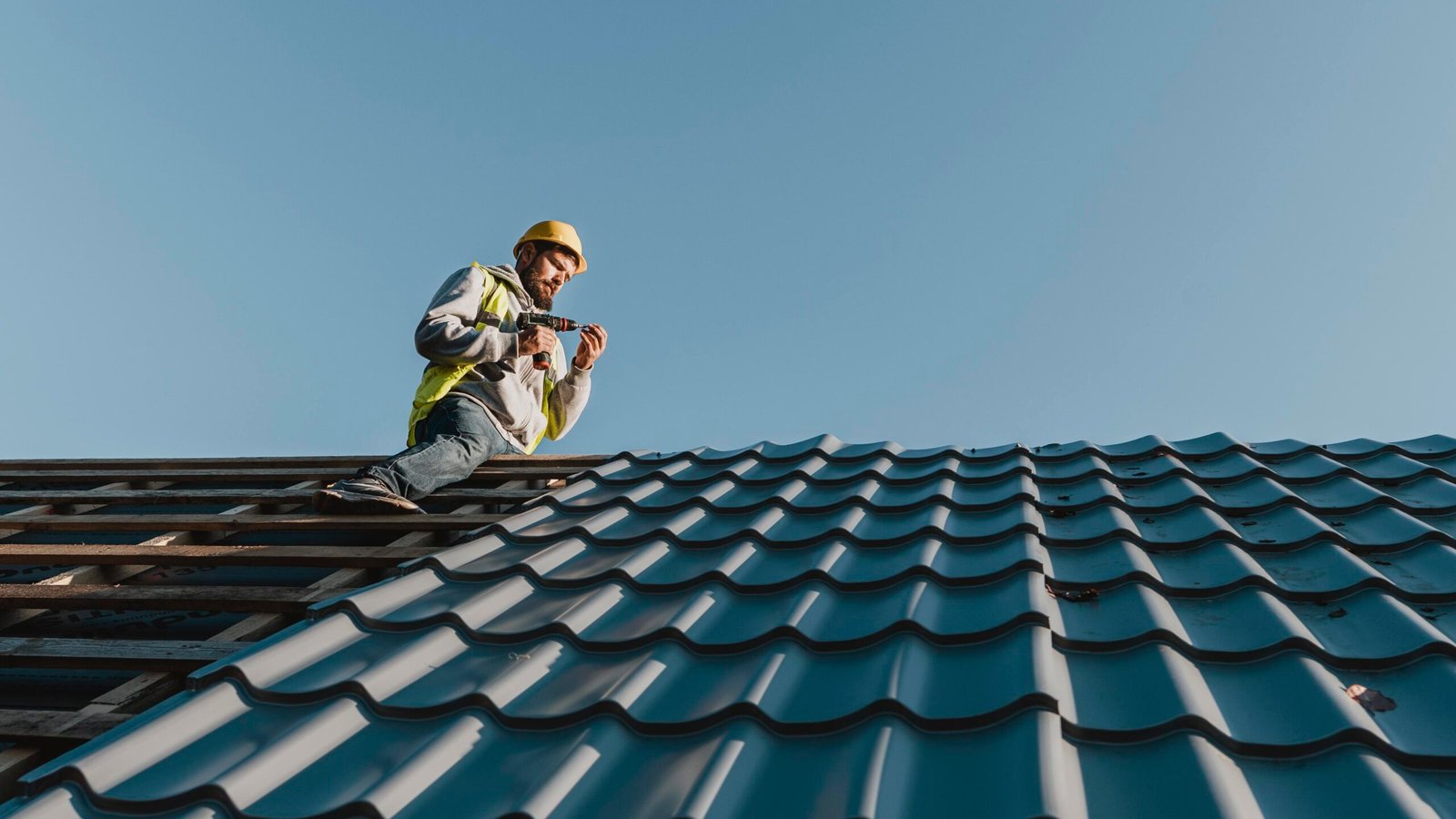
A commercial roof is a critical part of any business property. It protects the building, employees, equipment, inventory, and daily operations from the elements. When a commercial roofing system develops a problem, the consequences can extend far beyond the roof itself.
A small leak may eventually cause water damage, mold concerns, damaged insulation, electrical problems, and disruptions to business operations.
For commercial property owners and facility managers in Alberta, regular roof inspections are one of the most effective ways to identify potential problems before they become expensive emergencies.
Calgary and Edmonton experience challenging weather conditions throughout the year. Heavy snow, hailstorms, strong winds, rain, and freeze-thaw cycles can place significant stress on commercial roofing systems. Proactive inspection and maintenance can help protect the building and extend the life of the roof.
What Is a Commercial Roof Inspection?
A commercial roof inspection is a professional assessment of the overall condition of a roofing system.
The purpose is to identify existing problems and potential areas of concern.
During an inspection, a roofing professional may evaluate:
- Roofing membranes
- Seams and joints
- Flashing
- Roof penetrations
- Drainage systems
- Signs of ponding water
- Surface damage
- Moisture intrusion
- General material deterioration
The inspection process helps property owners understand the current condition of the roof and prioritize necessary repairs.
Rather than waiting for a visible leak, inspections allow roofing professionals to identify smaller issues that may not yet be noticeable inside the building.
1. Early Detection Can Prevent Expensive Repairs
One of the biggest benefits of regular roof inspections is early problem detection.
Small roofing issues can become larger problems when left untreated.
For example, a small damaged seam on a flat roof may initially allow only a small amount of water to enter. Over time, continued exposure to rain and snow can expand the problem.
The resulting damage may eventually affect:
- Roofing insulation
- Decking
- Interior ceilings
- Walls
- Electrical systems
- Inventory and equipment
A relatively simple repair may become a much more expensive restoration project.
Regular inspections help identify problems while they are still manageable.
2. Alberta Weather Can Be Hard on Commercial Roofs
Commercial roofs in Alberta are exposed to demanding weather conditions.
Some of the most common environmental challenges include:
Hailstorms
Hail can damage membranes, roofing materials, flashing, and other roof components.
Freeze-Thaw Cycles
Water can enter small openings and freeze when temperatures drop. As water freezes and expands, roofing materials may experience additional stress.
Repeated freeze-thaw cycles can contribute to cracking and deterioration.
Heavy Snow
Snow accumulation can place additional weight on the roof. As temperatures change, melting snow can also create drainage concerns.
Strong Winds
High winds can affect flashing, membranes, and other roofing components.
Because these conditions can occur throughout the year, regular inspections provide an opportunity to identify weather-related damage.
3. Commercial Roofs Often Hide Problems
Unlike steep residential roofs, many commercial buildings use flat or low-slope roofing systems.
These systems can be highly effective when properly installed and maintained. However, problems may not always be immediately visible.
Potential issues include:
- Split seams
- Damaged membranes
- Blistering
- Cracked flashing
- Drainage failures
- Ponding water
- Damaged roof penetrations
A professional roofing contractor understands where to look for potential weaknesses.
This is especially important because a roof may appear acceptable from ground level while hidden problems continue to develop.
4. Roof Inspections Help Protect Business Operations
Commercial roofing problems can interrupt normal business activities.
A roof leak may force a business to move equipment, close certain areas, protect inventory, or temporarily interrupt operations.
For warehouses, retail facilities, offices, industrial properties, and multi-unit buildings, water damage can create significant operational challenges.
Regular inspections help property owners take a proactive approach.
Instead of responding to an emergency, building managers can schedule necessary repairs at an appropriate time.
This can help reduce unexpected disruptions.
5. Proper Drainage Is Essential for Flat Roofs
Drainage is one of the most important factors affecting commercial roofing performance.
Flat roofs are not always completely level. They are designed to direct water toward drainage systems.
When drainage problems occur, water may collect on the roof.
Common causes include:
- Blocked drains
- Damaged drainage systems
- Improper slope
- Structural movement
- Debris accumulation
Ponding water can place additional stress on roofing materials.
During a professional inspection, drainage concerns can be identified and addressed before they contribute to more serious damage.
6. Regular Inspections Can Extend Roof Life
A commercial roof represents a significant investment.
Property owners naturally want their roofing system to perform effectively for as long as possible.
Routine inspections and maintenance can help maximize the useful life of the roof.
Maintenance may include:
- Removing debris
- Addressing damaged areas
- Repairing flashing
- Sealing vulnerable locations
- Correcting drainage problems
- Repairing damaged membranes
Minor maintenance performed at the right time can prevent accelerated deterioration.
Ignoring small problems, on the other hand, can shorten the lifespan of a roofing system.
7. Inspections Help With Budget Planning
Unexpected roof replacement can be a major financial challenge.
Regular inspections provide property owners with information about the current condition of the roof.
If a roofing system is beginning to deteriorate, a professional assessment may help determine:
- Which repairs are immediately necessary
- Which issues can be monitored
- Whether maintenance can extend the roof’s life
- When replacement may become necessary
This information can help commercial property owners plan their maintenance and capital expenses more effectively.
Instead of facing a surprise emergency, businesses can make informed decisions.
8. Inspections Are Important After Major Storms
Commercial property owners should consider a professional roof inspection after significant weather events.
Storm damage may not always result in an immediate leak.
Hail or strong winds can damage roofing materials and create vulnerabilities that become more noticeable later.
After a storm, an inspection can document the condition of the roof and identify any necessary repairs.
This documentation may also be useful when communicating with an insurance provider.
Professional roofing companies can provide detailed assessments, photographs, and information about observed damage.
Common Commercial Roofing Systems
Commercial properties may use different roofing materials depending on the building’s design and requirements.
TPO Roofing
TPO is a popular single-ply roofing membrane commonly used on commercial flat roofs. Its reflective surface and heat-welded seams make it a widely used option.
SBS Modified Bitumen
SBS modified bitumen is designed with flexibility and is commonly used in environments with changing temperatures.
EPDM Roofing
EPDM is a durable rubber roofing membrane commonly used on flat and low-slope buildings.
Built-Up Roofing
Built-up roofing uses multiple layers to create a durable roofing system.
PVC Roofing
PVC is another single-ply roofing option used for commercial applications.
Choosing the right roofing system depends on the building, climate exposure, budget, and operational requirements.
How Often Should a Commercial Roof Be Inspected?
The appropriate inspection schedule depends on several factors.
These may include:
- Roof age
- Roofing material
- Previous repairs
- Weather exposure
- Building type
- Tree and debris exposure
Older roofs and properties exposed to severe weather may require more frequent attention.
It is also beneficial to schedule inspections following major storms or when signs of potential roofing problems appear.
Warning Signs That Your Commercial Roof Needs Attention
Property managers should watch for:
- Active leaks
- Water stains
- Ponding water
- Visible membrane damage
- Damaged flashing
- Loose roofing materials
- Interior moisture
- Increased repair frequency
Any of these issues may indicate that a professional inspection is necessary.
Choose an Experienced Commercial Roofing Contractor
Commercial roofing requires specialized knowledge.
Different roofing systems have different installation, repair, and maintenance requirements. Choosing a contractor with experience across multiple systems can help ensure that the roof receives the appropriate solution.
Markit Roofing provides commercial roofing services for properties in Calgary, Edmonton, and surrounding Alberta communities. The company works with commercial roofing systems including TPO, SBS, EPDM, PVC, BUR, modified bitumen, metal roofing, and other solutions suited to different building requirements.
Their services include roof inspections, leak detection, repairs, maintenance, installation, replacement, emergency roofing, waterproofing, and insurance claim assistance.
Protect Your Commercial Property With Regular Roof Inspections
Your commercial roof works every day to protect your building. Waiting until a major leak occurs can lead to unnecessary expenses and operational disruption.
Regular roof inspections provide valuable information about the condition of your roofing system and allow potential problems to be addressed early.
Whether you manage an office building, warehouse, retail property, industrial facility, or another commercial property, proactive roofing maintenance is an important part of protecting your investment.