
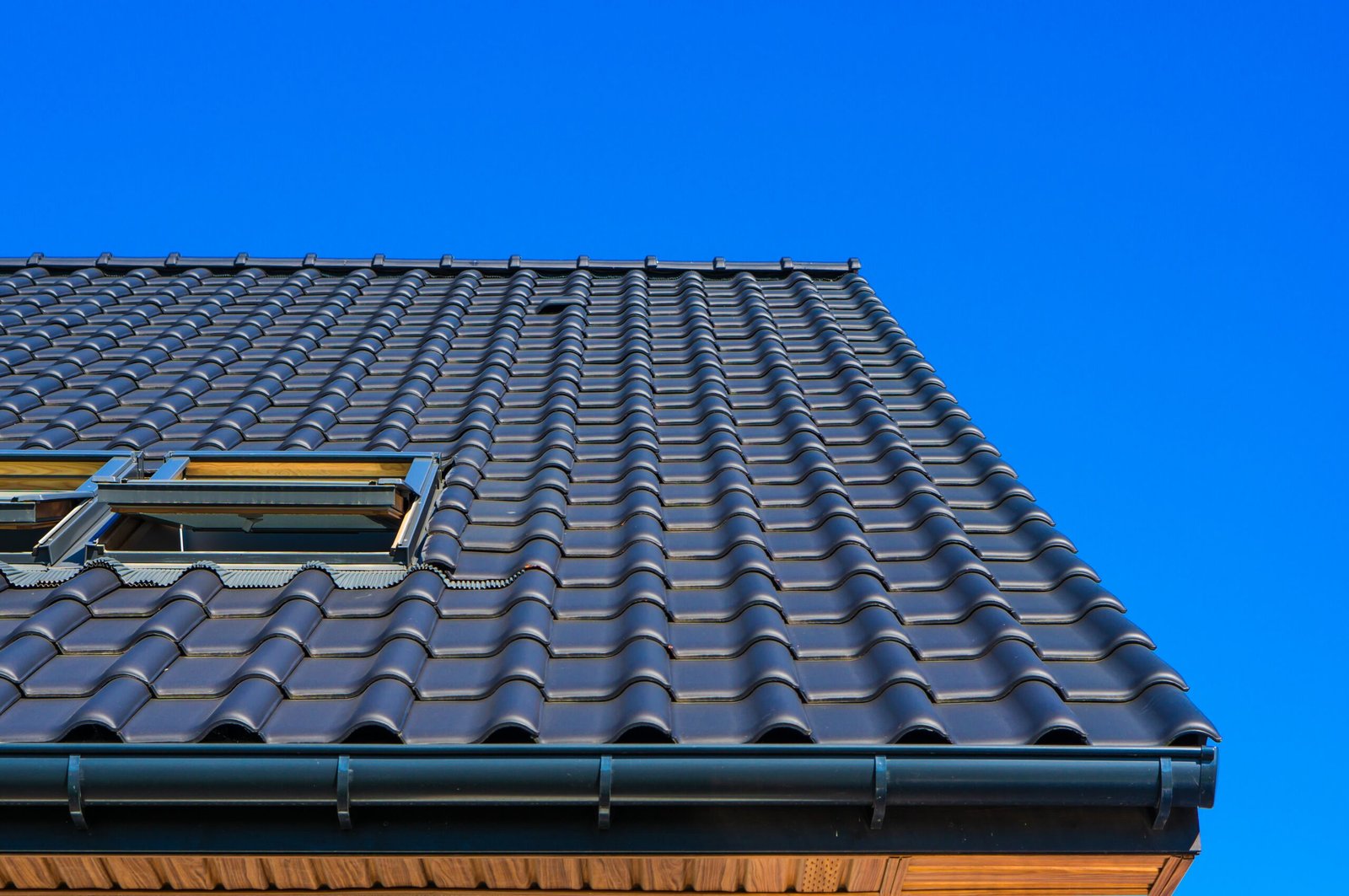
Your roof is one of the most important parts of your property. It protects your home or commercial building from rain, snow, wind, hail, and changing temperatures throughout the year. In Alberta, roofing systems face particularly demanding conditions. From harsh winter temperatures and heavy snowfall to hailstorms and freeze-thaw cycles, roofs in Calgary and Edmonton need regular attention to remain reliable.
One of the most common questions property owners ask is: Does my roof need a repair, or is it time for a complete replacement?
The answer depends on several factors, including the age of the roof, the extent of the damage, the roofing material, and the condition of the underlying structure. Understanding the warning signs can help you address roofing problems before they become expensive emergencies.
1. Your Roof Has Frequent Leaks
A single, isolated leak does not necessarily mean that your entire roof needs to be replaced. In many cases, a professional roof repair can address the issue.
Leaks may develop because of:
- Damaged flashing
- Cracked or deteriorating roofing materials
- Loose shingles
- Open seams
- Damaged roof penetrations
- Clogged drainage systems
- Storm damage
However, repeated leaks in different areas of the roof can indicate a more serious problem. If repairs are becoming increasingly frequent, the roofing system may be approaching the end of its service life.
For commercial flat roofs, leaks may be caused by membrane damage, split seams, ponding water, or deteriorating flashing. A professional roofing inspection can identify the actual source of the problem rather than simply repairing the visible symptoms.
2. Missing, Damaged, or Curling Shingles
For residential properties, damaged shingles are one of the easiest warning signs to identify.
You may notice:
- Missing shingles
- Cracked shingles
- Curling edges
- Broken tabs
- Loose roofing materials
- Granules collecting around the property
A small number of damaged shingles may be repairable. However, widespread deterioration often indicates that the roof is aging and may require replacement.
Calgary and Edmonton homeowners should pay particular attention to their roofs after severe storms. Strong winds and hail can damage roofing materials and create vulnerabilities that may eventually allow water to enter the property.
If you notice visible shingle damage, scheduling an inspection as soon as possible is recommended.
3. Your Roof Has Been Damaged by Hail or Severe Weather
Alberta weather can be unpredictable. Hailstorms, strong winds, snow, and sudden temperature changes can all affect the condition of a roofing system.
Hail damage is not always immediately obvious from the ground. Even when a roof appears intact, hail may damage shingles, membranes, flashing, and other roofing components.
Signs of potential storm damage include:
- Dented roofing materials
- Cracked shingles
- Missing shingles
- Damaged flashing
- Damaged gutters
- Water leaks after a storm
After a major storm, a professional inspection can help determine whether the roof has sustained damage.
Proper documentation is also important when filing an insurance claim. Professional roof assessments may include photographs and written findings that help property owners understand the condition of their roofing system.
4. The Roof Is Near the End of Its Expected Service Life
Every roofing system has a limited lifespan. The actual longevity of a roof depends on the material, installation quality, maintenance, weather exposure, and other factors.
Common roofing materials include:
- Asphalt shingles
- Metal roofing
- TPO roofing
- SBS modified bitumen
- EPDM roofing
- PVC roofing
- Built-up roofing systems
A roof that is approaching the end of its expected service life may experience more frequent problems.
This does not necessarily mean immediate replacement is required. A professional inspection can determine whether the roofing system still has useful life remaining or whether replacement is becoming the more cost-effective option.
Ignoring an aging roof can lead to more extensive problems. Water infiltration can affect insulation, ceilings, walls, and structural components. Addressing roofing concerns early may help reduce the risk of more expensive property damage.
5. You Notice Water Stains Inside Your Property
Water stains on ceilings or walls should never be ignored.
While a visible stain does not always indicate a major roofing failure, it does suggest that moisture has entered an area where it should not be.
Possible causes include:
- Roof leaks
- Damaged flashing
- Plumbing issues
- Condensation
- Ventilation problems
A professional inspection can help identify whether the issue is related to the roofing system.
For commercial properties, water infiltration can create significant operational concerns. Moisture may damage inventory, equipment, electrical systems, insulation, and interior finishes.
The earlier a leak is identified, the easier it may be to control the damage.
6. Your Commercial Roof Has Ponding Water
Ponding water is a common concern for flat and low-slope roofing systems.
While some temporary water accumulation may occur after rainfall or snowmelt, water that remains on the roof for extended periods may indicate drainage problems.
Potential causes include:
- Poor roof drainage
- Blocked drains
- Structural settling
- Membrane issues
- Improper roof slope
Standing water can place additional stress on a roofing system and may eventually contribute to membrane deterioration.
A commercial roofing contractor can inspect the drainage system and evaluate whether repairs, modifications, or replacement are necessary.
7. Repairs Are Becoming Too Frequent
Roof repairs are often the most practical and cost-effective solution when damage is limited.
However, there comes a point when repeated repairs may no longer provide the best value.
Consider the following questions:
- Are roofing problems occurring repeatedly?
- Are leaks appearing in multiple areas?
- Is the roof becoming increasingly expensive to maintain?
- Is the roofing material nearing the end of its lifespan?
- Are repairs only providing temporary solutions?
If the answer to several of these questions is yes, a replacement assessment may be appropriate.
A professional roofing contractor should evaluate both options and provide an honest recommendation based on the actual condition of the roof.
Roof Repair vs. Roof Replacement: What Is the Difference?
Roof Repair
Roof repair is generally appropriate when damage is localized.
Common repairs include:
- Replacing damaged shingles
- Repairing flashing
- Sealing damaged areas
- Repairing roof membranes
- Fixing leaks
- Addressing drainage problems
Repairs can extend the usable life of a roofing system when the majority of the roof remains in good condition.
Roof Replacement
A complete replacement may be recommended when the roofing system has widespread deterioration or has reached the end of its useful life.
Roof replacement provides an opportunity to install a new roofing system designed for the property’s specific requirements.
The right material may depend on:
- Building type
- Roof slope
- Budget
- Weather exposure
- Energy requirements
- Maintenance expectations
Why a Professional Roof Inspection Matters
It can be difficult to determine the true condition of a roof without professional experience.
Some roofing problems are not visible from the ground. Small cracks, damaged seams, failing flashing, and hidden moisture issues may go unnoticed until they become significant problems.
A detailed roof inspection can help identify:
- Existing damage
- Potential leaks
- Drainage concerns
- Material deterioration
- Storm damage
- Areas requiring maintenance
Regular inspections are particularly valuable for commercial buildings and older roofing systems.
Professional Roofing Services in Calgary and Edmonton
Whether your property needs a small repair or a complete roofing replacement, choosing an experienced contractor is important.
Markit Roofing provides residential and commercial roofing services throughout Calgary, Edmonton, and surrounding Alberta communities. Their services include roof repairs, installation, replacement, inspections, emergency roofing, waterproofing, and assistance with insurance-related documentation.
The company works with multiple roofing systems, including asphalt shingles, TPO, SBS, EPDM, metal roofing, and other commercial roofing materials.
Schedule a Professional Roof Assessment
The best way to determine whether your roof needs repair or replacement is through a professional inspection.
Waiting until a small problem becomes a major leak can increase repair costs and potentially cause additional damage to the property.
If you have noticed leaks, damaged roofing materials, storm damage, ponding water, or other warning signs, it may be time to have your roof evaluated.