Skip to content
Markit Roofing

MODIFIED BITUMEN ROOFING SYSTEM

Commercial modified bitumen roofing installation, repair and replacement for flat and low-slope roofs in Calgary and Edmonton.

WHAT IS MOD-BIT ROOFING?

A Mod-Bit roofing system uses factory-made asphalt sheets blended with polymers and typically reinforced with polyester or fibreglass. Modified bitumen roofing for flat and low-slope roofs relies on sealed laps and transitions to create a continuous waterproofing layer. The roof assembly determines the number of plies and the finish.
Markit Roofing provides modified bitumen roofing in Calgary and modified bitumen roofing in Edmonton. We start with the deck, insulation and drainage. For commercial modified bitumen roofing projects, we also discuss rooftop equipment, deliveries and operating hours so the work fits how the property is used.
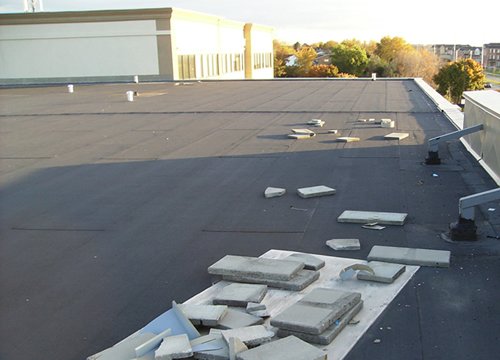
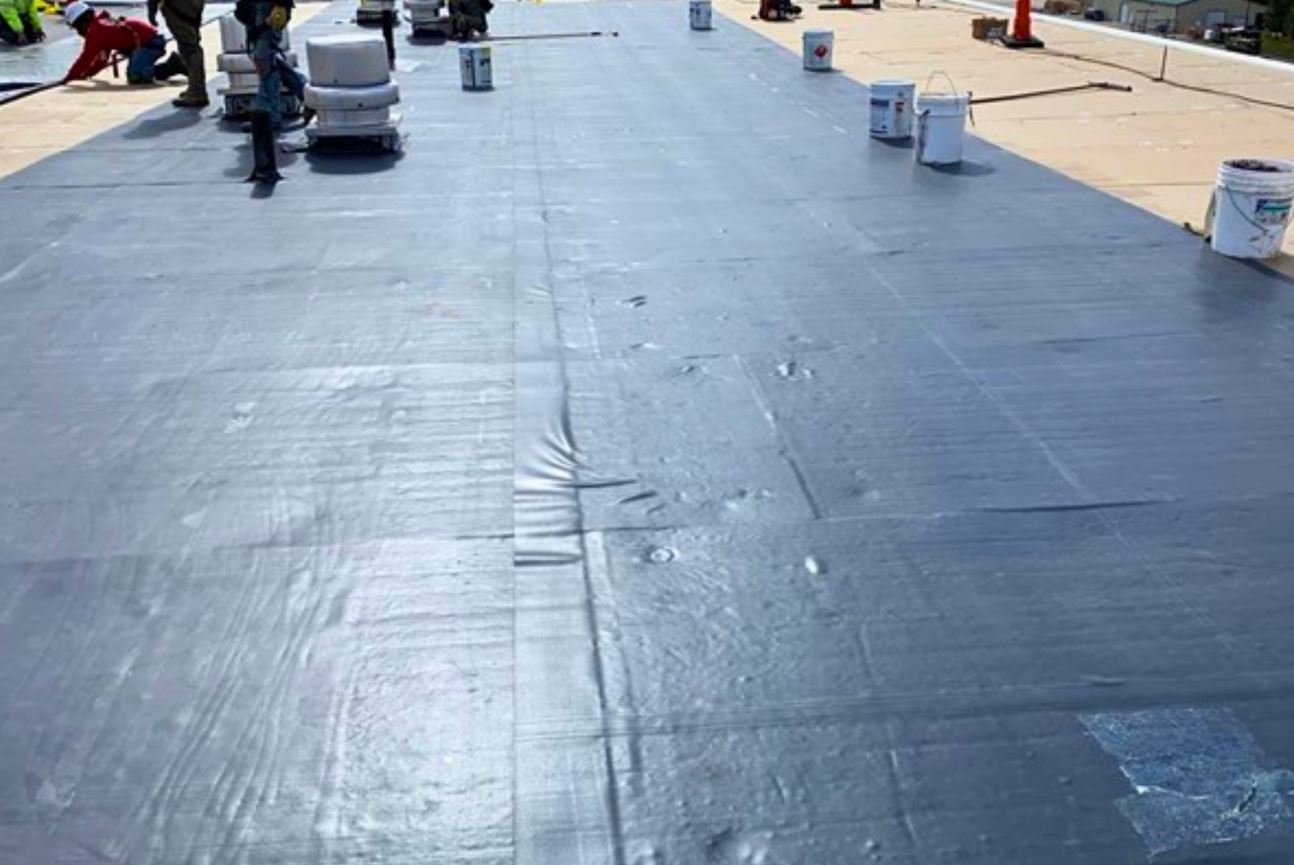
Modified bitumen membrane on a low-slope commercial roof

Polymer-modified asphalt

Polymer modifiers change how asphalt behaves. The right membrane grade depends on roof exposure and the requirements of the complete assembly.

Reinforced membrane

Polyester or fibreglass reinforcement strengthens the sheet and helps it retain its shape. Details at edges, curbs and penetrations still need careful installation.

COR Certified

Markit Roofing is COR Certified. We review safe access, work zones and site restrictions with the property team before installation.

MOD-BIT ROOFING SYSTEM OPTIONS

SBS and APP describe the membrane formulation. Torch application, cold adhesive and self-adhered sheets describe ways to install it. Choose the membrane and method together. Some assemblies pair a base sheet with a granulated cap sheet for the exposed surface.

Torch-applied

Torch-applied modified bitumen roofing uses heat to bond compatible sheets. It requires trained crews, site-specific fire precautions and suitable conditions.

Cold-applied adhesive

Cold-applied modified bitumen roofing uses a specified adhesive instead of an open flame at the bonding surface. Temperature and surface conditions still matter.

Self-adhered

Self-adhered modified bitumen roofing uses sheets with a factory-applied adhesive. Surface preparation and any specified primer help ensure a consistent bond.

SBS membrane

An SBS modified bitumen membrane is valued for flexibility. Confirm the reinforcement, surfacing and attachment specified for the roof.

APP membrane

An APP modified bitumen membrane is valued for heat resistance. Confirm the membrane grade and installation method against the specification.

Not sure which option fits?

OUR INSTALLATION PROCESS

We inspect the roof, prepare the substrate and review the completed assembly. Before materials arrive, we agree on access routes, staging and any restrictions around occupied areas. We confirm any temporary protection needed before the roof is opened.
01

Inspect & plan

We check the deck, insulation, drainage and signs of moisture. The inspection helps determine whether a localized repair, a recover or a full replacement is suitable.
02

Prepare the surface

We remove failed materials where necessary and prepare a clean, dry and stable surface. Any required deck, insulation or drainage corrections are addressed before sheets are installed.
03

Install & verify

During modified bitumen roof installation, we seal the laps, edges, drains and penetrations. The final review checks these details and covers routine roof care.
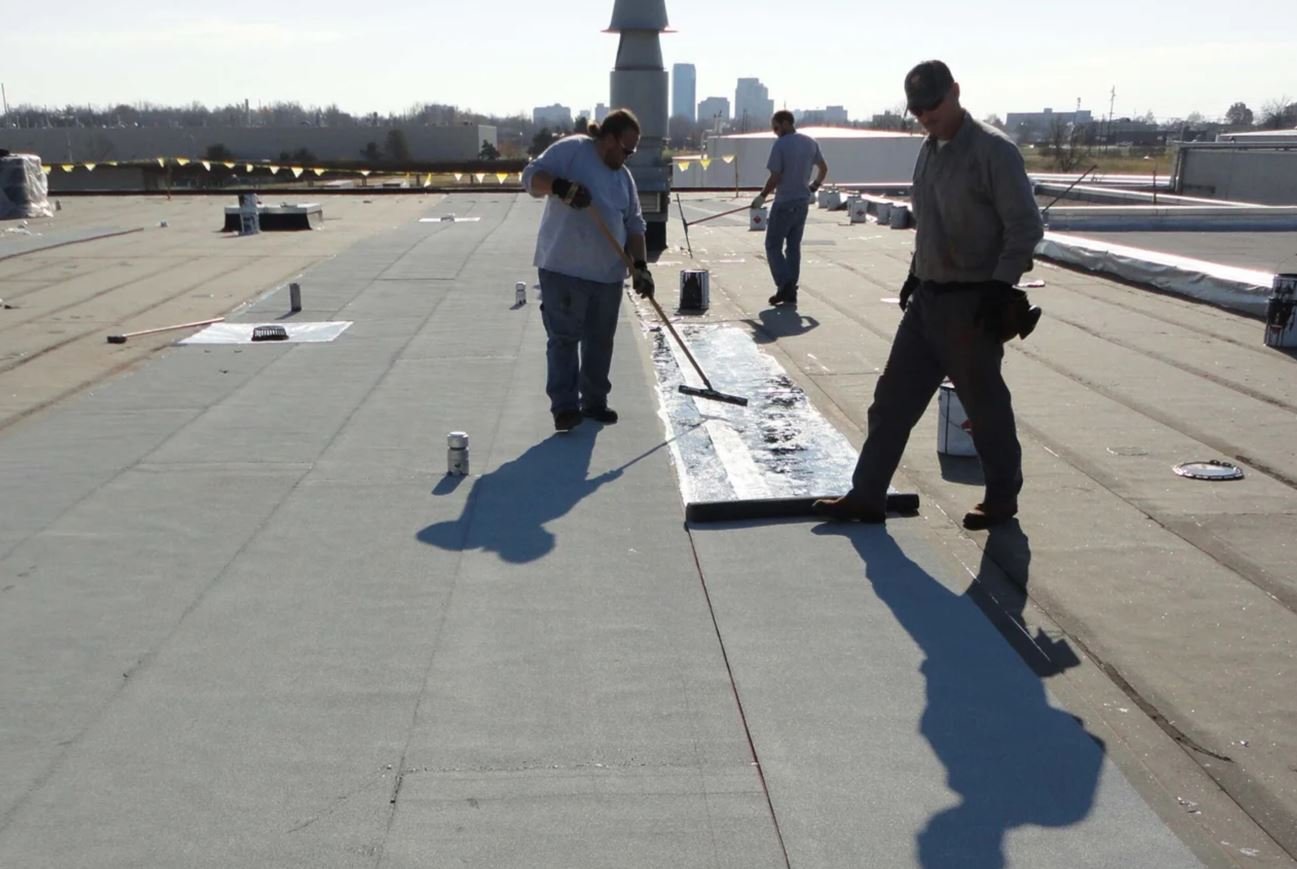
Roofing crew working on modified bitumen sheets on a flat roof

ON THE ROOF: INSTALLING MODIFIED BITUMEN

MOD-BIT ROOF DECISION GUIDE

REPAIR OR REPLACE YOUR MOD-BIT ROOF?

A roof inspection helps separate an isolated defect from a wider assembly problem. Water can travel below the surface and emerge far from the point where it entered.

Repair

LOCALIZED DAMAGE

Replacement

WIDESPREAD DAMAGE

EPDM membrane seams and equipment detail on a low-slope roof

MOD-BIT ROOF CARE

Follow the maintenance schedule for your roof and keep a record of inspections and repairs. Report significant changes early so the source can be checked. Keep the inspection log and previous work records available for future repairs.

MOD-BIT FAQS

Practical answers for property owners planning modified bitumen roof work.

Sometimes. The existing roof must be assessed for moisture, deck condition and compatibility. Local requirements and the proposed system may limit whether a recover is suitable. A damaged or wet assembly may need removal first.

No. Compatible cold-applied and self-adhered assemblies may suit sites where an open flame is restricted. The right option depends on the deck, weather and manufacturer requirements.

SBS and APP are different asphalt modifiers. SBS is typically selected for flexibility, while APP is commonly selected for heat resistance. Look at the complete assembly instead of choosing by modifier alone.

There is no single lifespan. Installation quality, rooftop traffic, drainage, exposure and maintenance all affect how the roof performs. Ask how the proposed system will be inspected and maintained. Keep copies of inspection reports so you can track changes over time.

Cost depends on the roof area, access, existing layers, insulation and detail work. Request a written scope showing what is included, such as removal and disposal, and which items depend on conditions found after opening the roof.

OUR COMMERCIAL ROOFING SERVICES